TL;DR: AI cameras are currently being trialled in Scotland to detect mobile phone use while driving, with 81% of UK motorists supporting a nationwide rollout. Getting caught results in a £200 fine and six penalty points, significantly impacting car insurance premiums and potentially revoking new drivers' licences.
Key Facts
- 12 locations in Scotland are currently trialling new AI cameras to detect mobile phone use behind the wheel.
- 81% of UK motorists believe this AI camera technology should be implemented nationwide.
- Drivers caught using a mobile phone face an immediate £200 fine and six penalty points.
- New drivers (within two years of passing their test) risk immediate licence revocation with six penalty points.
- Over 50% of UK drivers report seeing an increase in mobile phone use behind the wheel recently.
New AI cameras to catch mobile phone drivers spark UK debate: What this means for your licence and insurance
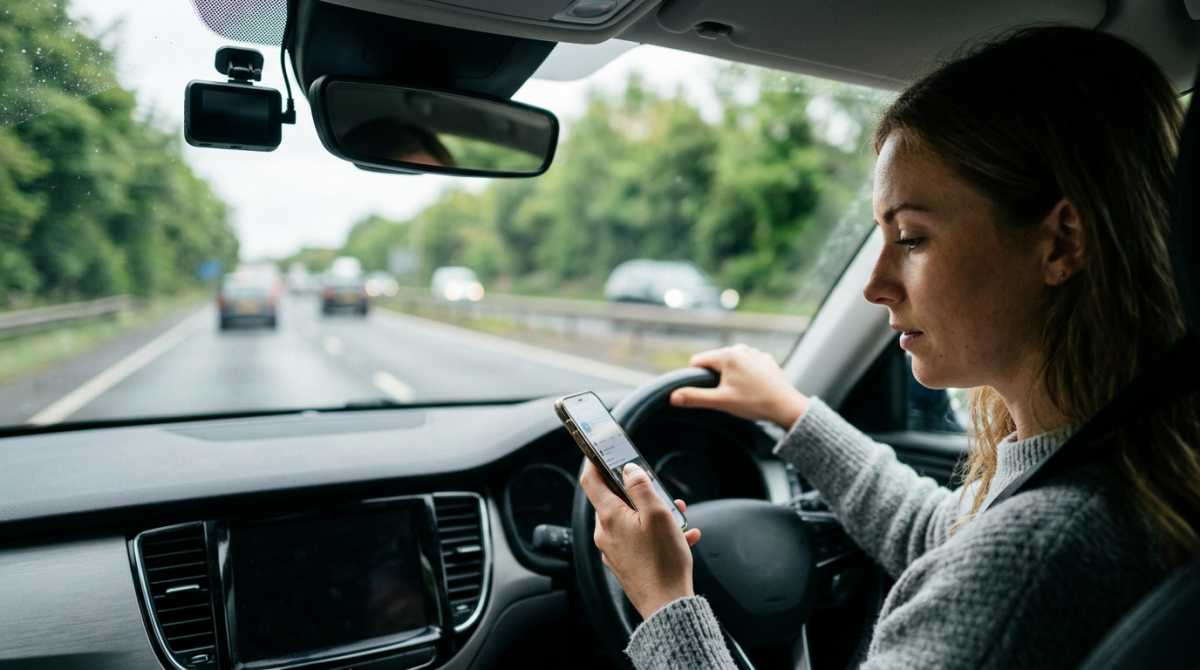
Driving while distracted has long been a serious concern on UK roads, but the methods for catching offenders are undergoing a significant technological transformation. Currently, AI cameras specifically designed to detect mobile phone driving offences are being trialled across 12 different sites in Scotland. These aren't just ordinary speed cameras; they're advanced systems capable of identifying a mobile phone in a driver's hand from a substantial distance.
It's a common sight: drivers attempting to conceal their phones in their laps, believing they're being discreet. These sophisticated AI cameras are designed to prove otherwise, capturing clear evidence of such behaviour.
Public opinion supports tougher measures
But does the general public actually want this increased surveillance? Surprisingly, the answer is a resounding yes. A substantial 81% of UK motorists believe this AI camera technology should be rolled out nationwide. Many drivers can relate to the frustration of being stuck behind someone at a green light, engrossed in their phone rather than the moving traffic. In fact, more than half of us have observed a noticeable rise in people using phones behind the wheel recently, highlighting a growing concern among road users.
What happens if you're caught?
If one of these AI cameras for mobile phone driving offences catches you in England, the penalties are clear and immediate. Offenders face an instant £200 fine and six penalty points on their driving licence. For newly qualified drivers, those who passed their test within the last two years, this carries a particularly severe consequence: hitting six points means immediate licence revocation. That's a significant setback, potentially requiring them to retake both their theory and practical driving tests.
Beyond the initial police fine, there's the looming car insurance nightmare. Insurance providers view mobile phone convictions as a major red flag. It signals a high-risk driver, almost certainly leading to a substantial increase in your annual premiums for years to come. This financial hit can be far more costly than the initial fine.
Why do drivers still take the risk?
So, with such clear penalties, why do drivers continue to engage in this risky behaviour? Around 10% of individuals admit to checking a map quickly, while 9% state they're simply rejecting a call. However, even a brief two-second glance to skip a song or check a WhatsApp notification is enough to trigger these sensitive cameras. It's a stark reminder of how quickly a minor distraction can become a serious offence.
Staying safe and avoiding these penalties is straightforward. Consider placing your phone in the glove compartment or using a dedicated phone holder out of direct reach. Activating 'Do Not Disturb' mode can prevent tempting pings and notifications. Crucially, sort out your navigation and music playlists before you even set off. As AI cameras for mobile phone driving offences become a more permanent fixture on UK roads, the risk of getting caught is simply too high to ignore. Your licence, your insurance, and ultimately your safety, depend on it.