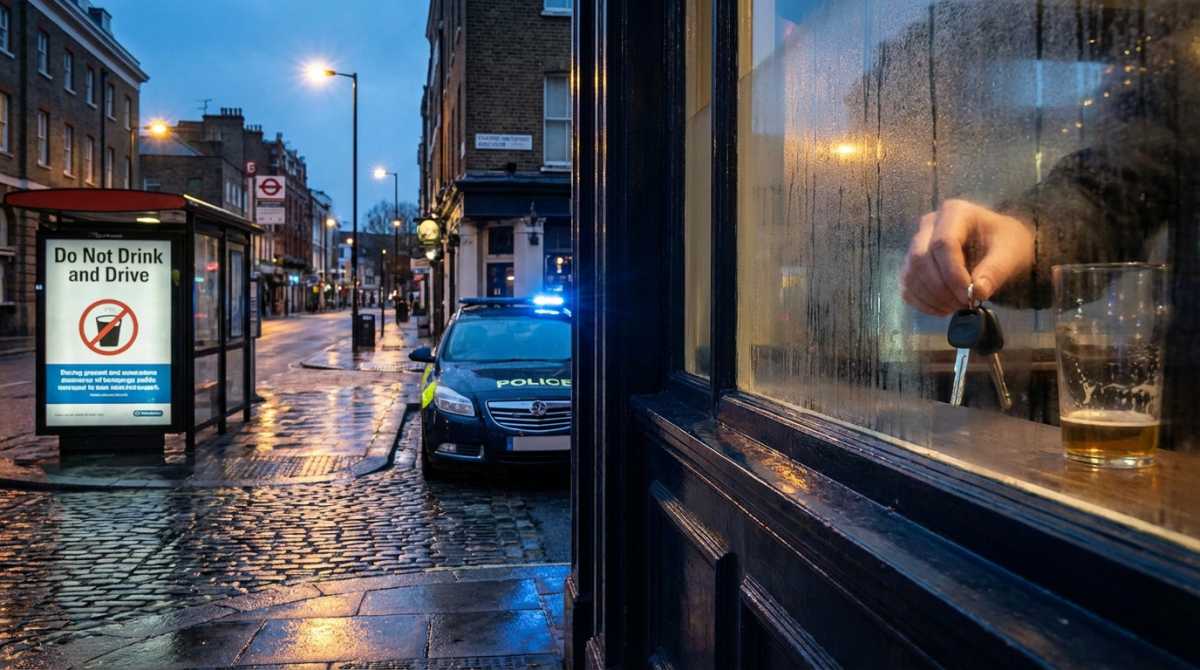
The UK could be on the brink of a major drink-driving law shake-up. Plans to cut the legal alcohol limit from 80mg to 50mg in England and Wales would effectively end the ‘one pint rule’. Backed by 87% of adults, the move aims to reduce stubbornly high road casualty rates, but stricter enforcement will be key.
UK drink-drive limit could be slashed in major law reform
Key facts
- 87% of UK adults support stricter drink-driving laws (AlcoSense report).
- 260 deaths and 6,300+ injuries were linked to drink-driving in 2023.
- Proposed new limit: 50mg of alcohol per 100ml of blood (down from 80mg).
- Government Road Safety Strategy consultation will close on 11 May.
- 58% of drivers say more police enforcement is essential.
The end of the ‘one pint rule’?
That casual pint after work before driving home? It could soon be a thing of the past.
The UK government is considering a major overhaul of drink-driving laws, with plans to lower the legal alcohol limit in England and Wales from 80mg to 50mg. If approved, it would mark one of the biggest shifts in UK motoring law in years and bring serious consequences for drivers who’ve relied on the informal “one pint rule”.
What a 50mg limit really means
A drop to 50mg would instantly bring England and Wales in line with Scotland, as well as most European countries, including France and Spain.
In practical terms, it reduces the margin for error. Alcohol affects everyone differently, so even a single drink could put some drivers over the limit. That’s why many experts already recommend avoiding alcohol entirely if you plan to drive.
There’s also talk of going even further. Some proposals suggest a near zero-tolerance limit of 20 mg – similar to Sweden and Norway. At that level, even a small glass of wine could be too much.
For new drivers, stricter rules could also be introduced during their first two years on the road, reinforcing safer habits early on.
Why change the law now?
The push for reform isn’t coming out of nowhere; it’s being driven by both public opinion and hard data.
According to the latest figures, drink-driving contributed to 260 deaths and more than 6,300 injuries in 2023. What’s more concerning is that these numbers haven’t improved much in over a decade.
At the same time, attitudes have shifted. A huge 87% of UK adults now support tougher drink-driving laws, suggesting the public is more than ready for change.
It’s not just about alcohol
While the drink-drive limit is grabbing headlines, it’s only one part of a much broader road safety review.
Other proposals include:
- Mandatory eye tests every three years for drivers over 70
- Penalty points for not wearing a seatbelt
- A minimum six-month learning period before booking a driving test
Taken together, these changes point to a wider effort to improve safety across UK roads, not just tackle drink-driving alone.
Will lower limits actually work?
Lowering the legal limit sounds like a clear win, but it’s not the whole story.
More than half of drivers (58%) say tougher laws won’t make a real difference without stronger enforcement. In other words, rules only matter if they’re properly policed.
That’s a key challenge for the government moving forward. Without visible enforcement, even the strictest limits risk being ignored.
A cultural shift on the horizon
The direction of travel feels pretty clear. With strong public backing and growing safety concerns, it’s increasingly likely that the UK will tighten its drink-driving laws sooner rather than later.
If and when that happens, it won’t just be a legal change; it’ll mark a cultural shift in how we think about drinking and driving.
So the real question isn’t just whether the law will change… it’s whether drivers are ready to change with it.