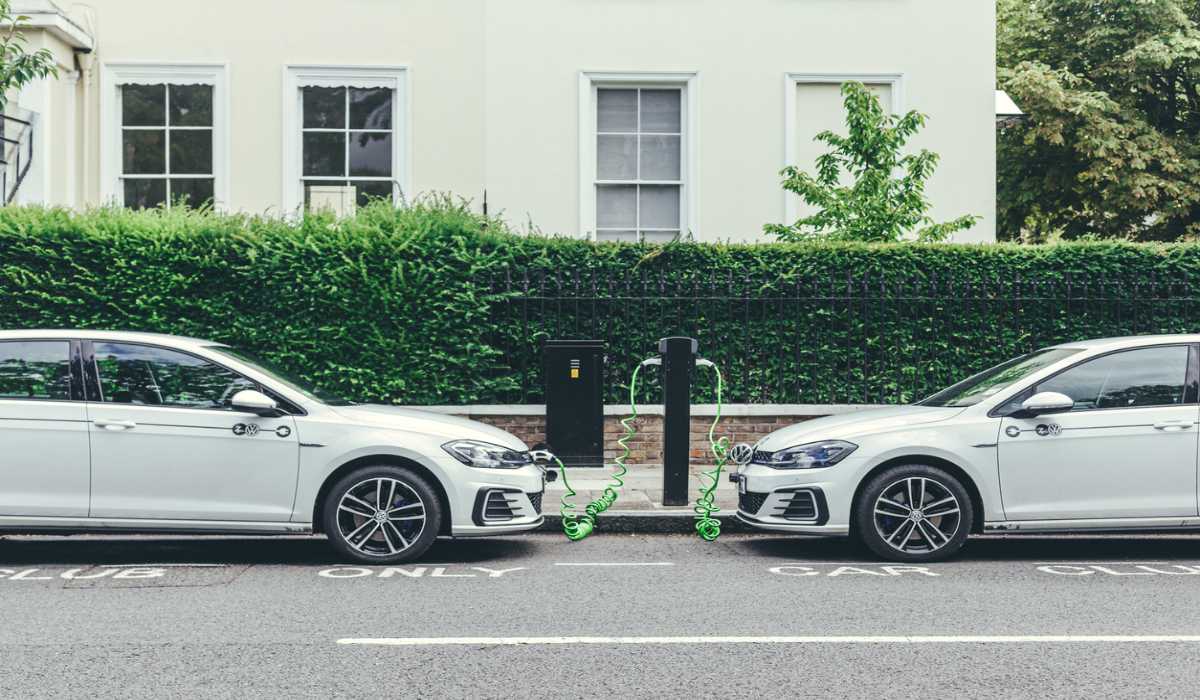
The UK’s push towards electric vehicles is facing renewed pressure, with manufacturers warning that current sales targets are moving faster than real-world demand.
At the centre of the debate is the zero-emission vehicle (ZEV) mandate set by the Government, which requires carmakers to steadily increase the share of electric vehicle sales each year. The Society of Motor Manufacturers and Traders (Society of Motor Manufacturers and Traders) is now calling for an urgent review, arguing the rules no longer reflect market reality.
Targets rising faster than demand
The ZEV mandate requires 33 per cent of new car sales to be zero-emission by 2026, rising to 80 per cent by 2030. However, battery electric vehicles currently account for around 23.9 per cent of the UK new car market.
That gap is at the heart of industry concerns. While electric adoption is growing, manufacturers say the pace is uneven and heavily dependent on fleets and early adopters rather than private buyers.
The Society of Motor Manufacturers and Traders argues that forcing higher targets without stronger consumer demand risks distorting the market rather than supporting it.
Investment and jobs under pressure
Industry leaders warn that strict targets could have wider consequences for the UK automotive sector. Manufacturing decisions are made years in advance, and policy instability can influence where companies invest.
The concern is not opposition to electrification, but the speed of transition. Manufacturers say they remain committed to decarbonisation, but need realistic timelines to avoid damaging production and employment.
Government advisers at the Committee on Climate Change still believe the 2030 goals are achievable, but industry voices point out that their focus is emissions, not industrial impact.
Why drivers are not switching as quickly
For UK motorists, several practical barriers continue to slow EV uptake:
- Higher upfront purchase prices compared with petrol and diesel
- Limited access to home or public charging for many households
- Ongoing concerns about long-distance travel and charging time
- Uncertainty around used EV values
These factors help explain why growth is steady but not fast enough to meet mandated targets.
Tanya Sinclair of Electric Vehicles UK argues that policy certainty is more important than weakening targets, saying investment follows stability.
What happens next
If the gap between targets and demand continues, manufacturers may be forced to rely more heavily on discounts, fleet sales, or hybrid models to meet compliance requirements.
A review of the mandate could also introduce more flexibility without abandoning the overall shift to zero-emission transport.
Conclusion
The debate over EV targets is now as much about industrial reality as environmental ambition.
The Society of Motor Manufacturers and Traders is pushing for a rethink, while policymakers maintain that current goals remain achievable.
For drivers, the outcome will likely shape prices, model availability and the pace of the EV transition over the next decade - but the direction towards electrification itself is not in doubt.