TL;DR UK new car buyers are currently benefiting from significant discounts, with the average saving close to £6,000. Petrol, diesel, and electric vehicles are all discounted, with EVs seeing slightly higher savings thanks to grants and limited supply of smaller models. Popular cars like the Nissan Qashqai and Ford Puma show discounts of up to 18%, while hybrid and electric variants remain competitive. Market competition, especially from Chinese brands, is driving prices down, making it a strong buyer’s market.
Motorists benefit as dealers slash prices by up to 18% on petrol, diesel, and electric vehicles
If you’re thinking about buying a new car, now could be an ideal moment. Recent data shows that manufacturers and dealers are offering discounts of more than 10%, with the average saving approaching £6,000.
See what your car is worth here
Across all petrol, diesel, and electric vehicles (EVs) in the UK, the typical discount is 11.4% of the on-the-road price - around £5,911 - according to Insider Car Deals, which tracks discount data for prospective buyers.
On-the-road prices include everything needed to get a car on the road: road tax, registration fees, number plates, delivery, and VAT.
For EVs, the average price reduction is even higher, at 12.9%, when government grants for eligible vehicles are included. In cash terms, this means average savings of £7,091. Discounts on electric cars tend to be larger because manufacturers have been slower to produce smaller, more affordable EVs that are common in the petrol market.
While buyers benefit, some industry executives argue that government EV sales targets are too ambitious. They say these targets force “unsustainable” discounts as competition grows, particularly from new Chinese brands.
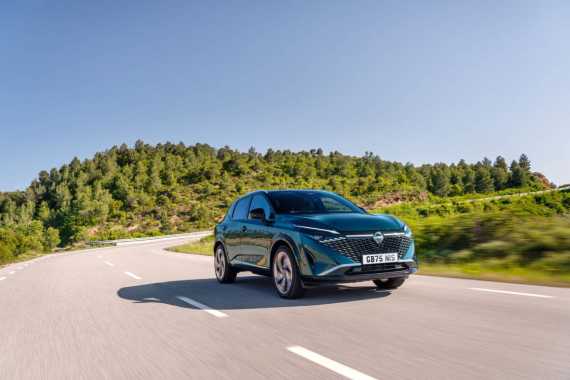
Despite the focus on EVs, petrol models can sometimes offer bigger percentage discounts. For example, the British-made Nissan Qashqai is available for around £36,000 - 17.9% off the recommended retail price. Nissan hasn’t yet produced an electric Qashqai, but its similar-sized Ariya EV has a smaller discount of 13.1%, bringing the average price to £45,264 (some versions qualify for grants).
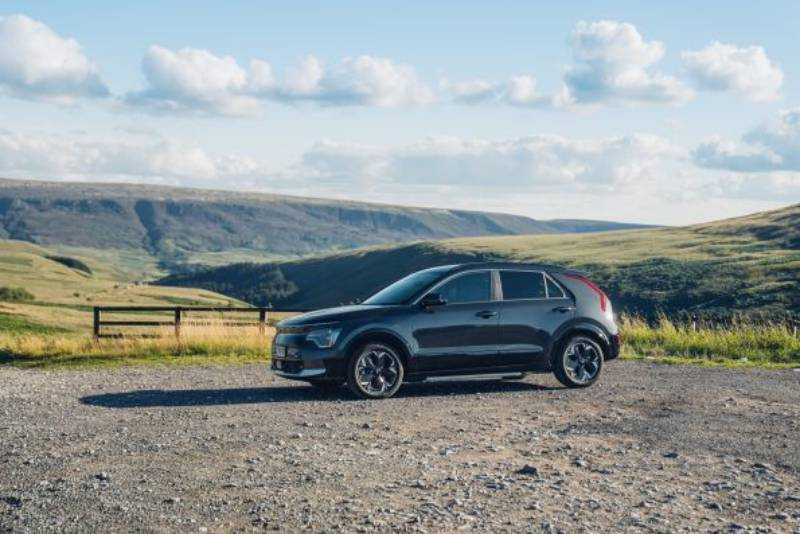
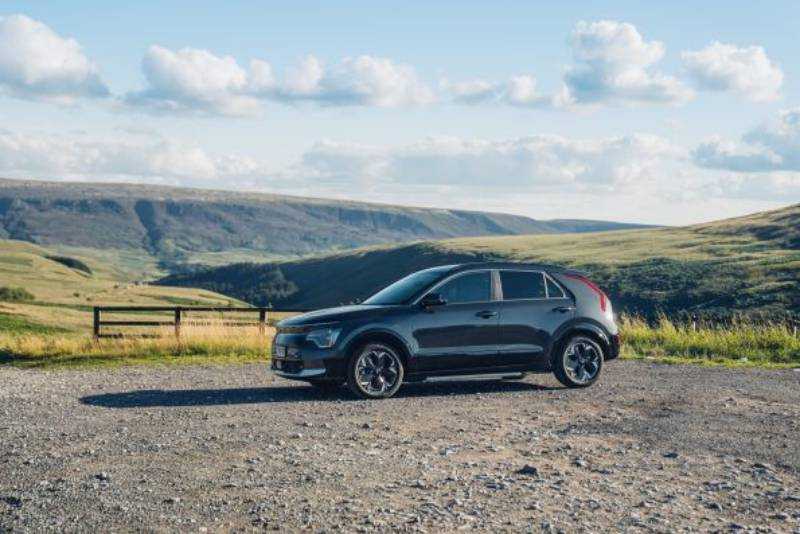
Similarly, the Kia Niro EV is discounted by 7.1% to £38,460, while the hybrid Kia Niro - combining a petrol engine with a small battery - is 13.2% cheaper, priced at £33,225.
Haggling can still pay off, especially at the end of a month or quarter when dealers are trying to meet sales targets.
Even if the upfront cost of an EV is higher, total ownership costs can be lower. Electric motors are more efficient, wasting less energy as heat or noise, which reduces running costs and carbon emissions. Maintenance is also generally cheaper. According to the Energy & Climate Intelligence Unit (ECIU), petrol and diesel cars could cost drivers an extra £1,300 per year at 2025 fuel prices.
Colin Walker, head of transport at ECIU, explains: “Most people can charge their EVs at home, often overnight at cheaper rates. This can save hundreds or even thousands of pounds annually.”
The UK’s EV grant, worth up to £3,750, has brought prices close to parity with petrol models for some vehicles. For instance, the Ford Puma – the UK’s bestselling car in 2025 – starts at £26,580, while the electric Puma Gen-E is £26,245 after the grant.
Walker adds: “EV sales grew significantly in 2025. Model choice is expanding, and prices are falling as manufacturers compete to meet sales targets.”
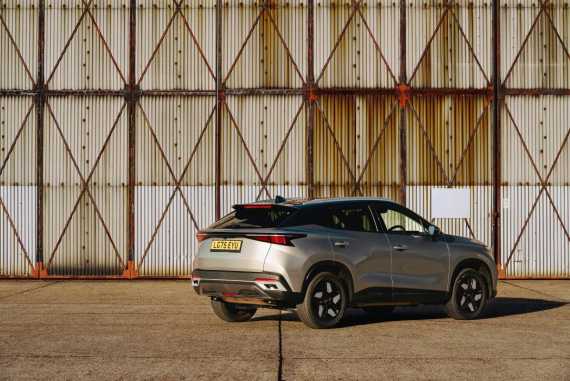
The market has shifted back toward discounts after shortages caused by the coronavirus pandemic and the chip crisis. New competition from Chinese brands like BYD, MG, Chery’s Omoda, and Jaecoo is also pushing prices down.
Pat Hoy, founder of Insider Car Deals, says: “These levels of discounting aren’t unprecedented. The market is returning to pre-Covid patterns, with manufacturers switching discounts on and off as part of normal sales cycles.”
Thinking of changing? See how much your car is worth here