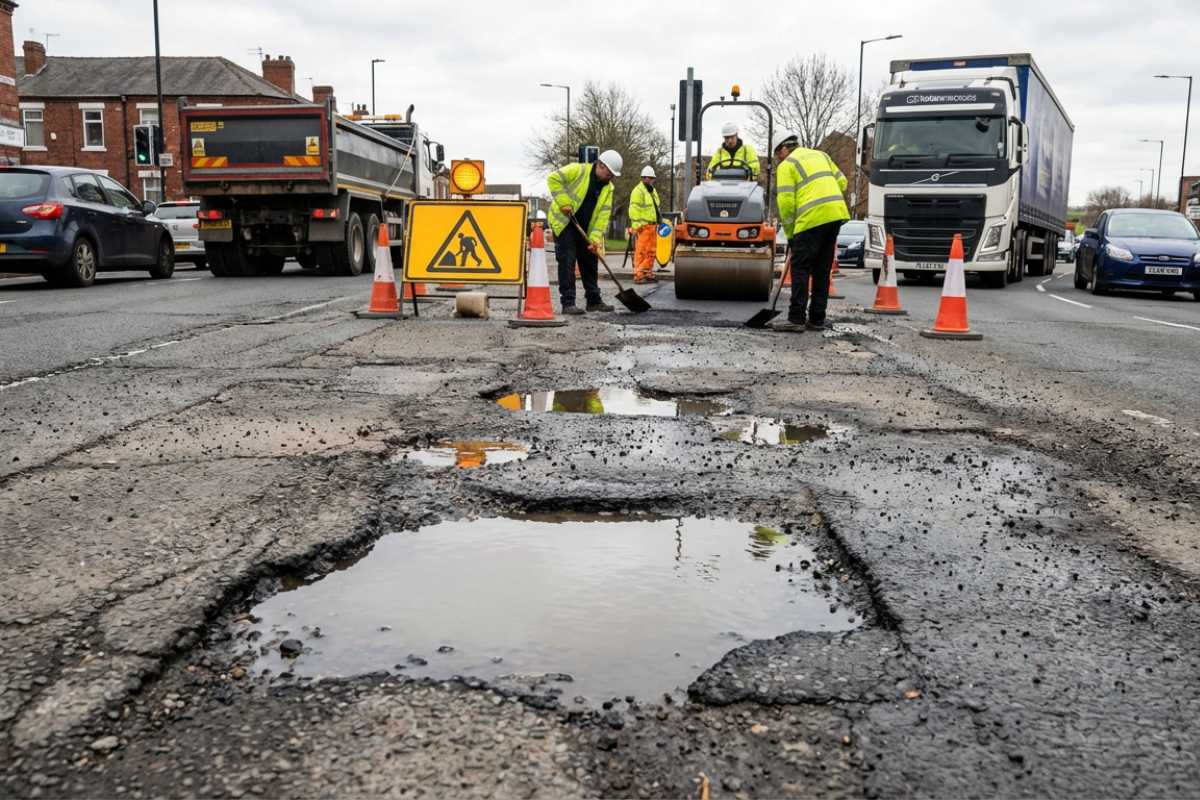
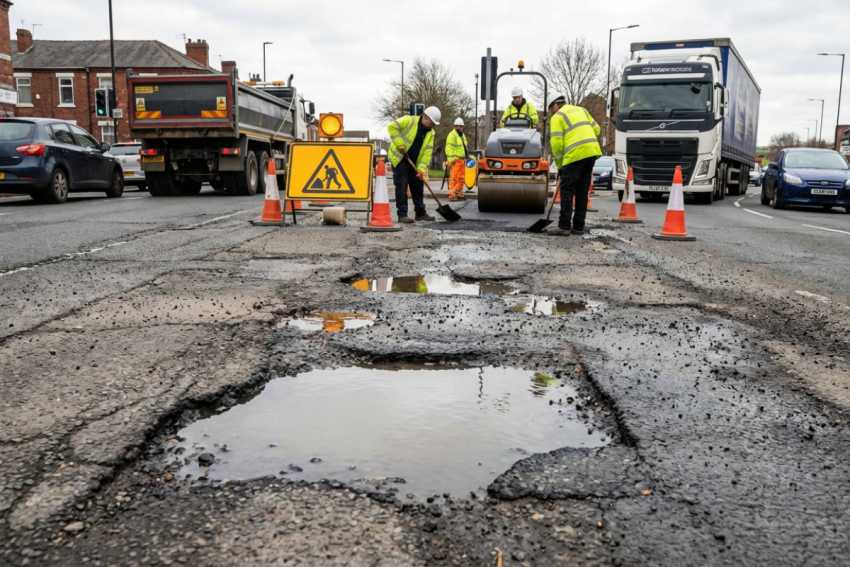
Let's be honest: calling the state of our roads a 'problem' is a massive understatement. The UK pothole crisis has officially spiralled into a national emergency, and if you've spent any time behind the wheel lately, you've likely felt the bone-jarring proof.
In January alone, the AA dealt with nearly 69,000 damage-related call-outs. That’s an 18% jump from the previous year, which is frankly a terrifying statistic for anyone trying to keep their car in one piece.
But why is there a spike in pothole-related breakdowns?
Is it just bad luck, or is something more systemic going on?
The reality is a perfect storm of physics and neglect. It starts with the freeze-thaw cycle. When rain seeps into tiny cracks and freezes, it expands by about 9%, acting like a hydraulic jack that rips the asphalt apart from the inside. We’ve had a soaking wet winter, and that’s basically given the UK pothole crisis a shot of adrenaline.
Then there’s the sheer weight of what we’re driving. While you might think a heavy SUV is the culprit, the real damage comes from HGVs. A single tyre on a massive lorry can exert five tonnes of force; that is roughly 1,000 times more destructive than your average family hatchback. Our B-roads simply weren't built for this kind of mechanical punishment.
We also have to talk about the 'patch and dash' culture. You’ve probably seen workers pouring cold-mix asphalt into a puddle during a rainstorm and wondered – does that actually stay put? Usually, it doesn't. Cold mix is a temporary band-aid designed to last maybe eight weeks. For a real fix, you need hot-mix asphalt and dry weather, but cash-strapped councils rarely have the luxury of waiting for the perfect conditions.
At the end of the day, it's a funding trap. Since 2008, local budgets have been gutted. Instead of resurfacing entire stretches of road to prevent damage, councils are stuck playing a desperate game of Whac-A-Mole with individual holes. It’s a losing battle. Until we stop treating road maintenance as an optional extra, the UK pothole crisis is going to keep hitting us, and our bank accounts, where it hurts.