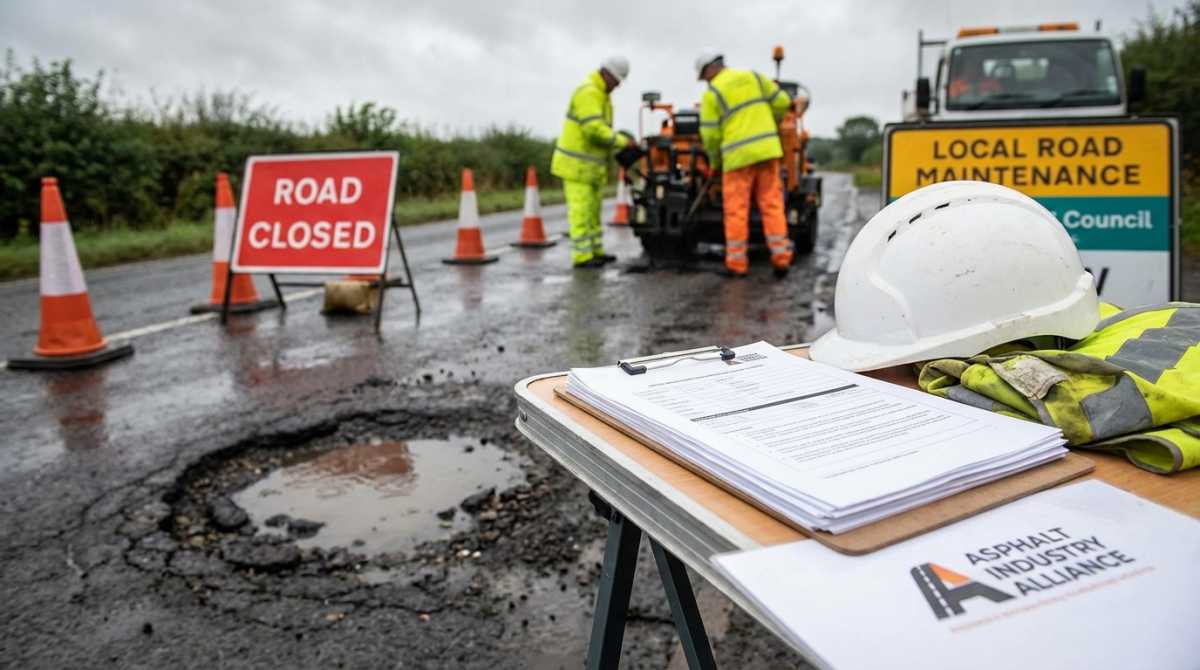
TL;DR: The bill to fix the UK's pothole backlog has surged to a record £18.6 billion, a significant increase from last year. The latest Asphalt Industry Alliance report reveals roads are now resurfaced just once every 97 years, highlighting a deepening crisis for local road maintenance and what this means for drivers' wallets.
Key Facts
- £18.6 Billion: The latest estimated one-time cost to fix the UK pothole backlog in England and Wales, a new record high.
- 97 Years: The shocking average time between a local road being fully resurfaced, up from 80 years in the previous report.
- 2040: The year by which nearly half of the UK's entire local road network is predicted to fail without a significant change in investment.
- £1.6 Billion: The recent government funding boost for local road maintenance, an amount experts warn is insufficient to halt the decline.
The cost to repair the UK’s crumbling local roads has hit a staggering new high, with the latest data revealing a jaw-dropping £18.6 billion pothole backlog. This figure, from the newly published Asphalt Industry Alliance (AIA) annual report, represents a stark increase from the £17 billion estimated just one year ago, confirming that the condition of our roads is deteriorating far faster than councils can manage repairs.
Perhaps the most alarming statistic from the Asphalt Industry Alliance annual report is the road resurfacing frequency in the UK. The data shows that the average local road is now only resurfaced once every 97 years. To put that into perspective, a road laid today is unlikely to see a fresh layer of tarmac until well into the next century.
This long-term neglect has dire consequences. Experts cited in the report warn that nearly half of the entire local network is projected to fail by 2040. For drivers, this points towards a transport system on the verge of a serious breakdown, with pothole repair delays in England and Wales becoming an ever-present feature of daily journeys.
The human cost of crumbling roads
Beyond the damage to vehicles, the crisis has a disturbing human side. The report highlights a growing number of attacks on road workers in the UK. Frustrated by diversions, delays, and rising fuel costs, some motorists are directing their anger towards repair crews.
There have been numerous reports of workers being physically and verbally abused, including being sworn at, spat on, and even punched. While driver frustration is understandable, this behaviour is a dark turn, targeting the very people tasked with fixing the problem on the ground.
Local road maintenance funding vs the 'patch and dash' cycle
So, why is the UK pothole backlog repair bill spiralling out of control? A core part of the problem is that councils are trapped in a cycle of short-term, reactive repairs. This 'patch and dash' approach fixes individual holes but fails to address the underlying structural decay of the road surface.
While the government recently confirmed a £1.6 billion boost to local road maintenance funding in the UK, many believe it's like putting a small plaster on a major wound. Industry experts suggest that spending would need to double just to keep the network in a stable, non-declining condition. This shortfall forces councils to prioritise emergency patching over long-term, preventative resurfacing.
What this means for your car and your wallet
The situation for drivers isn't likely to improve quickly. Recent record rainfall has only accelerated the 'pothole plague', as water seeps into existing cracks, freezes, and expands, creating even larger craters. This means more potential for costly damage to tyres, suspension, and steering components.
Though local authority highway maintenance budgets have seen a slight increase to an average of £30.5 million per council, this sum is dwarfed by the scale of the backlog. Until a long-term, multi-billion-pound investment strategy is adopted, the UK pothole backlog repair bill will continue to cast a long, expensive shadow over every trip UK drivers make.