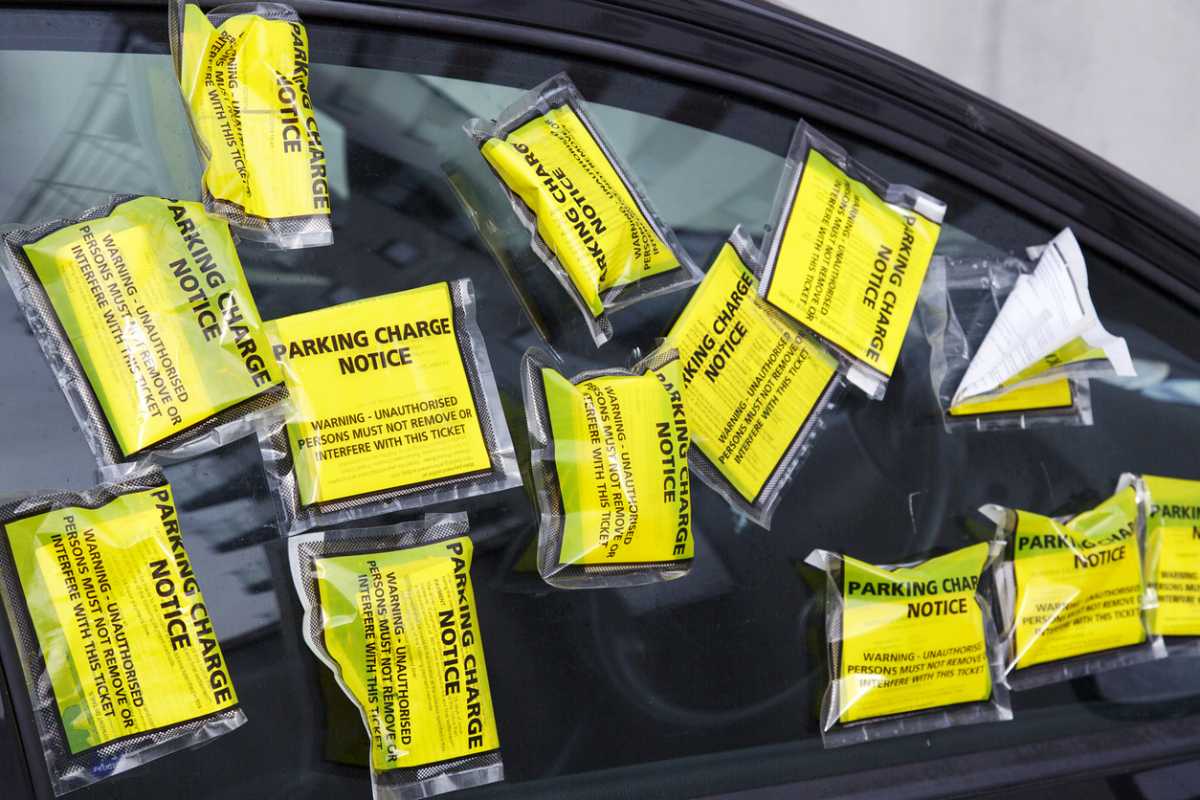
TL;DR: Recent data reveals the UK streets with the most PCNs, with just ten roads generating over £42 million in fines from drivers in a single year. Birmingham's Corporation Street is the worst offender for the sheer volume of penalties issued, catching over 62,000 motorists, primarily for bus gate and Clean Air Zone infringements.
Fresh analysis of council data has uncovered the UK streets penalising the most drivers, revealing that a mere ten roads were responsible for issuing over £42 million in Penalty Charge Notices (PCNs) last year. The staggering figure points to a growing conflict between evolving urban road rules and motorists trying to navigate their towns and cities.
Britain’s most expensive ‘trap’ roads
Topping the list for the highest number of penalties is Corporation Street in Birmingham. The latest Penalty Charge Notice statistics for 2024/25 show this single stretch of road was responsible for a massive 62,725 PCNs in the last recorded financial year.
| Street | Council | Number of tickets | % of all PCNs issued by the council | PCN total value | Avg ticket cost |
|---|---|---|---|---|---|
| Corporation Street at Aston Road (inbound) | Birmingham City Council | 62,725 | N/A | N/A | N/A |
| Oxford St (Whitworth St to Chepstow St) | Manchester City Council | 39,521 | 7% | £1,297,692 | £33 |
| Cumberland Road | Bristol City Council | 37,862 | 7% | £1,434,912 | £38 |
| Heaton Lane, Central Stockport | Stockport Metropolitan Borough Council | 34,284 | 57% | £1,213,604 | £35 |
| Station Parade (Barking) | London Borough of Barking and Dagenham Council | 33,419 | 14% | £2,030,242 | £61 |
| George Street, Corby | North Northamptonshire Council | 32,100 | 40% | £789,931 | £25 |
| Bull Lane N18 | Enfield London Borough Council | 30,276 | 15% | £1,313,410 | £43 |
| Mount Pleasant | Tunbridge Wells Borough Council | 28,930 | 42% | £991,815 | £34 |
| Arundel Gate (N/E bound) nr St Paul's Place Service Road | Sheffield City Council | 27,963 | 14% | £941,353 | £34 |
| Albert Bridge (North Side) | Royal Borough of Kensington and Chelsea | 27,821 | 10% | £1,971,714 | £71 |
Most of these Corporation Street Birmingham PCN fines stem from drivers unintentionally entering bus gates or incorrectly navigating the city's complex Clean Air Zone (CAZ). For many motorists coming off the busy A38 Aston Expressway, one wrong turn can easily lead to a penalty notice landing on their doormat a week later.
But the story doesn't end there. While Birmingham leads on the volume of fines, the London Borough of Barking and Dagenham takes the top spot for cash collected. Station Parade in Barking generated an astonishing £2,030,242 from drivers who entered a pedestrianised zone.
The sheer amount of money from one road raises serious questions about whether the existing signage is fit for purpose. Is it effectively guiding drivers, or has it become an unintentional, multi-million-pound trap?
This isn't just a London or Birmingham problem. Across the UK, similar hotspots have emerged. Manchester’s Oxford Street is a well-known goldmine for bus lane fines, while in Bristol, the new bus gate on Cumberland Road has become a significant source of penalties for local drivers. The issue of bus gate enforcement in the UK is now a nationwide phenomenon.
These 'gates', often just short sections of road restricted to buses, taxis, and cyclists, are being enforced by cameras. A common theme from driver reports is that many don't even realise they have committed an offence until the fine arrives in the post.
Low Traffic Neighbourhoods (LTNs) are also contributing significantly to the rising number of fines. By using cameras to prevent drivers from 'rat-running' through residential areas, councils have opened up a new and substantial revenue stream. Driver frustration often centres not on the rules themselves, but on how poorly they are communicated, with around 15% of penalised drivers stating the signs were hidden or confusing.
How to challenge a Penalty Charge Notice
So, what should you do if you're caught out on one of these UK streets with the most PCNs? The first piece of advice from experts on appealing a parking fine is to avoid paying it immediately if you believe it's unfair. Paying the fine is almost always interpreted as an admission of liability.
Instead, you should gather your own evidence as soon as possible. Take clear photographs of any faded road markings, signs obscured by overgrown trees, or confusing layouts that may have contributed to the error. You can find official government guidance on the appeals process on the gov.uk website.
It's best to submit an informal challenge to the council within 14 days of the notice. This action usually pauses the payment clock, meaning you can keep the 50% 'early payment' discount option available while the council reviews your case.
With some local authorities now pushing to increase the maximum fines to as much as £160, the financial stakes for drivers are getting higher. Until road layouts and signage are made more intuitive, these PCN hotspots will likely remain a multi-million-pound headache for the British public.
Find out if you need to pay to enter UK Clean Air Zones using Regit's free checker.