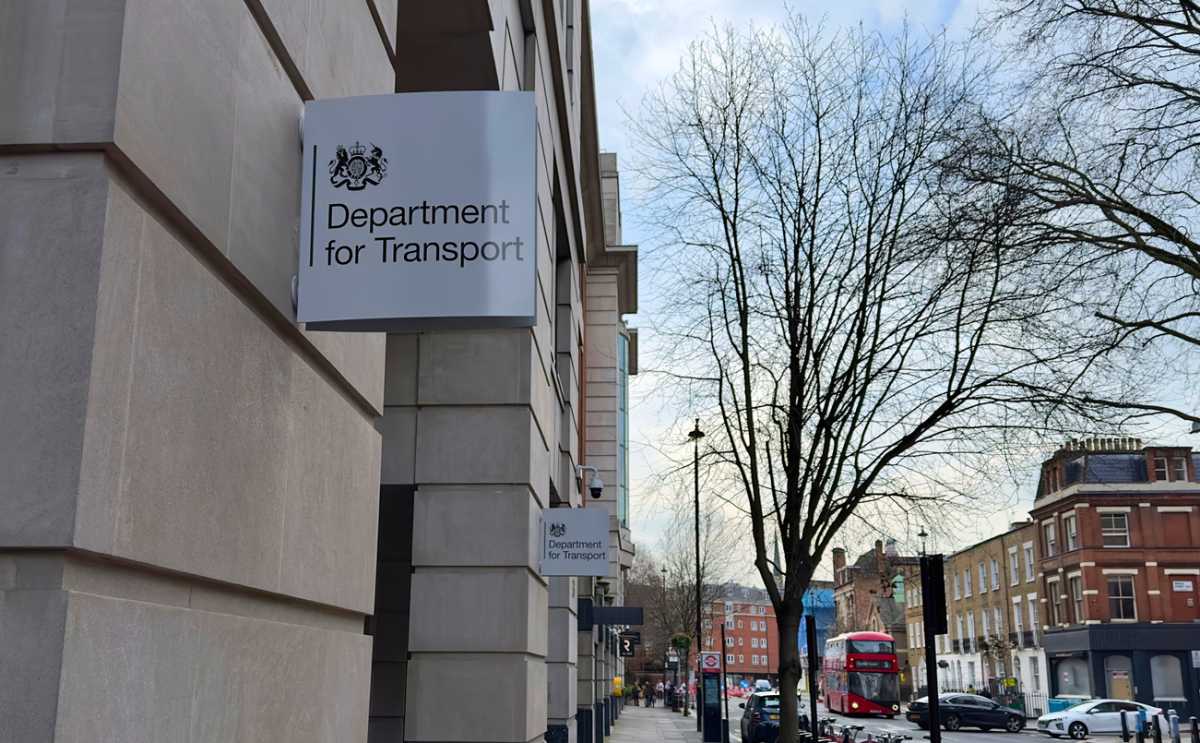
TL;DR: The UK Government has confirmed it will not publish its UK ZEV mandate review results until early 2027, a move that could lead to higher car prices. The decision comes despite car makers losing an average of £11,000 per electric vehicle sold to meet current quotas, which the industry warns are based on outdated 2021 data.
Key Facts
- 2027: The year the Department for Transport will formally publish the results of its UK ZEV mandate review.
- £11,000: The average subsidy car manufacturers are providing for every EV sale to meet government quotas and avoid fines.
- 80%: The increase in industrial energy prices compared to the 2021 forecasts the current EV targets are based upon.
- SMMT: The Society of Motor Manufacturers and Traders has officially warned the government that its targets are 'over-optimistic'.
- £12,000: The potential fine per vehicle for manufacturers that fail to meet their mandated electric vehicle sales quotas.
The UK Government has officially confirmed there will be no early changes to its electric vehicle targets, stating that a formal UK ZEV mandate review will not be published until the start of 2027. The decision has sent shockwaves through the UK automotive industry, which has been urgently calling for a rethink.
This news lands just as the Society of Motor Manufacturers and Traders (SMMT) revealed that the current UK electric vehicle sales quotas are built on what it calls 'over-optimistic' data from 2021.
Car makers face £11,000 loss per electric car
The reality on the ground is that car makers are facing significant financial pressure to remain compliant. The latest data shows that, on average, manufacturers are subsidising every single electric vehicle sale by approximately £11,000. This is a direct attempt to stimulate demand to hit the stringent government quotas and avoid crippling fines.
While the UK ZEV mandate review process technically begins this year, the Department for Transport has remained firm on the 2027 publication date. The government's position is that this longer timeframe is necessary to properly stress-test the market's transition to electric.
EV transition pathway challenges mount
Industry experts point to a stark difference between the 2021 forecasts and today's economic climate. Industrial energy prices have soared by 80% compared to those initial predictions. Furthermore, battery costs, which were widely expected to fall, are currently 31% higher than anticipated.
These EV transition pathway challenges raise serious questions about the viability of the current mandate. At a recent industry conference, Decarbonisation Minister Kier Mather stated the government is 'resolutely behind' the transition.
However, Mike Hawes, the chief executive of the SMMT, has warned that the current path is more like 'quicksand' than a clear road forward. Backed by industry giants like Ford and JLR, he argues that without a change, manufacturers face fines of £12,000 for every car that misses the sales target.
What this means for UK drivers
For drivers trying to plan their next car purchase, this standoff creates uncertainty and could lead to electric vehicle price increases in the UK. If manufacturers can no longer afford to subsidise EVs, those costs may be passed on to the consumer.
This is happening at a time when public charging costs have already more than doubled what drivers were initially told to expect. With the government betting that the market will correct itself, the situation is being closely watched, especially as other nations like Canada and countries in the EU begin to adjust their own timelines in response to market realities.