TL;DR: Waymo plans to launch its first London robotaxi service by September 2026, following a small-scale trial beginning in April. The service will transition from 'safety driver' mapping to fully autonomous, 'no one behind the wheel' paid rides. Using Jaguar-based hardware equipped with lidar, radar, and cameras, Waymo's fleet has already covered 173 million driverless miles. The UK government estimates the autonomous sector could contribute £42 billion to the economy by 2035.
The Waymo London robotaxi service is officially on the horizon, with Alphabet’s autonomous driving subsidiary targeting a commercial launch by September 2026. This move follows the UK government's commitment to updating self-driving car legislation later this year, paving the way for a driverless future in the capital.
The 2026 Timeline and Trials
Waymo is preparing for a phased rollout – first, a small-scale driverless taxi trial in London will begin in April, initially utilising 'safety drivers' to map the complex city streets. By the 2026 launch, the service will transition to a fully autonomous 'no one behind the wheel' model.
Transport Minister Lilian Greenwood has been vocal about the government's support, stating that pilot schemes and new autonomous vehicle safety standards in the UK are essential to making this technology a reality. "We know that unlike human drivers, automated vehicles don't get tired, don't get distracted and don't drive under the influence," Greenwood noted, while emphasising that strict cybersecurity protocols remain a priority.
Technology: The Jaguar-Based Hardware
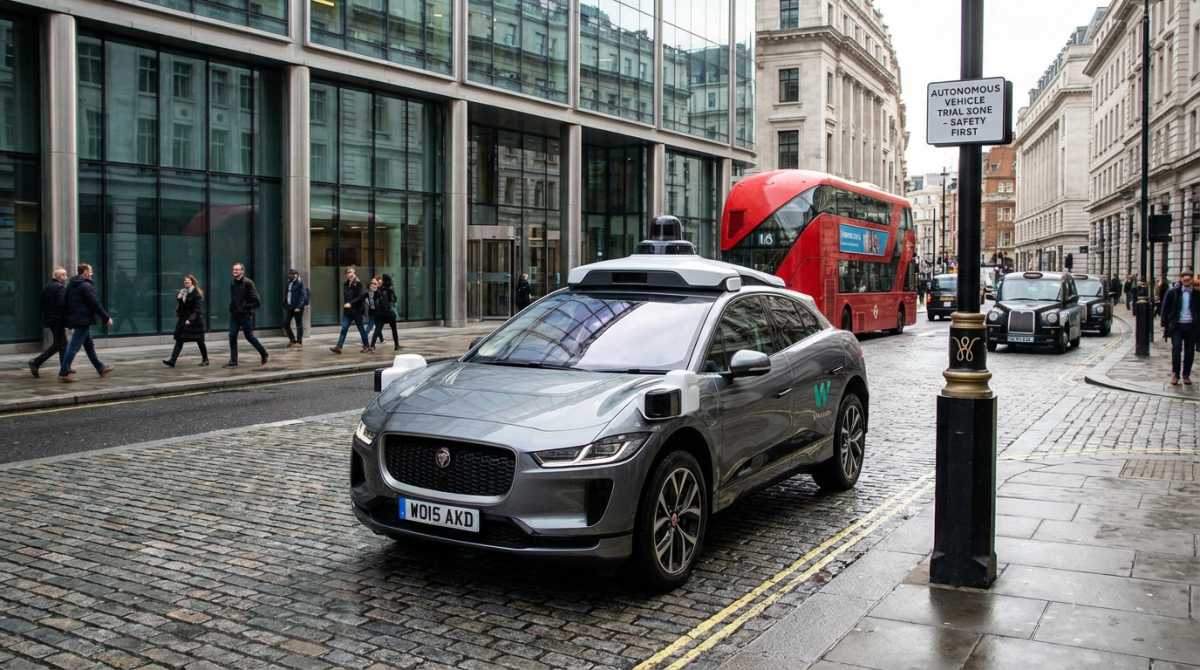
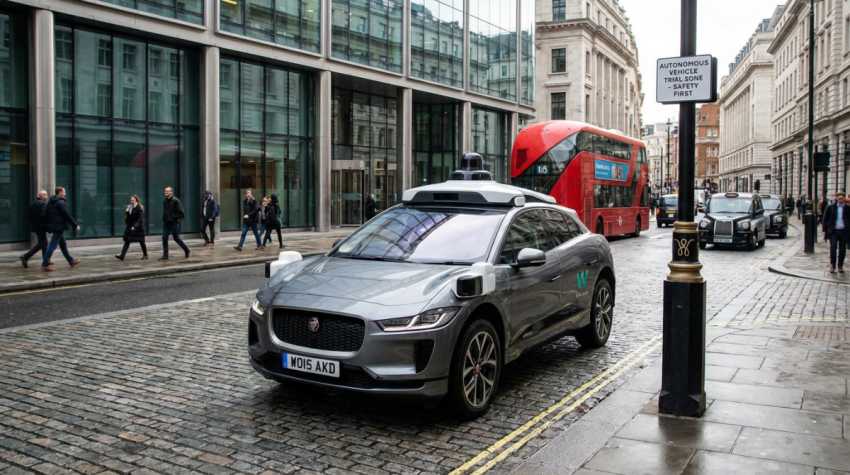
Unlike competitors Uber and Lyft, who have explored partnerships with Chinese firm Baidu, the Alphabet Waymo Jaguar robotaxi fleet relies on the all-electric Jaguar I-Pace. Each vehicle is equipped with a sophisticated sensor suite:
Lidar: Uses laser pulses to create high-resolution 3D maps.
Radar: Detects objects and their speeds, even in fog or rain.
Cameras & Microphones: Provide 360-degree visual coverage and detect emergency sirens.
This system allows the car to 'see' up to three football fields ahead (approximately 300 metres), processing data via a powerful computer housed in the boot.
Economic Impact and Competition
The stakes are high for the UK economy. The government estimates that the autonomous vehicle sector could add £42 billion to the economy by 2035, potentially creating 40,000 new jobs. While Waymo has a head start, with over 173 million miles driven in US cities like San Francisco and Los Angeles, the Waymo vs Uber robotaxi competition is expected to heat up as soon as the legal framework is finalised.
Booking Your Ride
Once live, users will be able to access the robotaxi app booking in London to hail a ride. While the service is described as "competitive but premium", pricing will likely fluctuate based on demand. Initial services will focus on central London, with airport transfers expected to be added at a later stage.
While the technology is advanced, it isn't without hurdles. Rare incidents of vehicles malfunctioning in the US have been reported, but with the UK's rigorous safety standards, Waymo aims to prove that the future of London transport is not just driverless, but safer for everyone.