TL;DR Diesel prices in the UK have soared to historic highs due to supply disruptions caused by the Iran war. With diesel powering over a million light commercial vehicles, tradespeople are facing significant financial strain. Government intervention on fuel duty is debated, while campaigners warn of business collapses and rising costs for household services.
The UK’s tradespeople are struggling as diesel prices surge to levels not seen in decades. The average cost of a litre of diesel hit 179.9p on Sunday, up more than 35p since the outbreak of the Iran war, and now 25p more expensive than petrol, according to motoring services company the RAC.
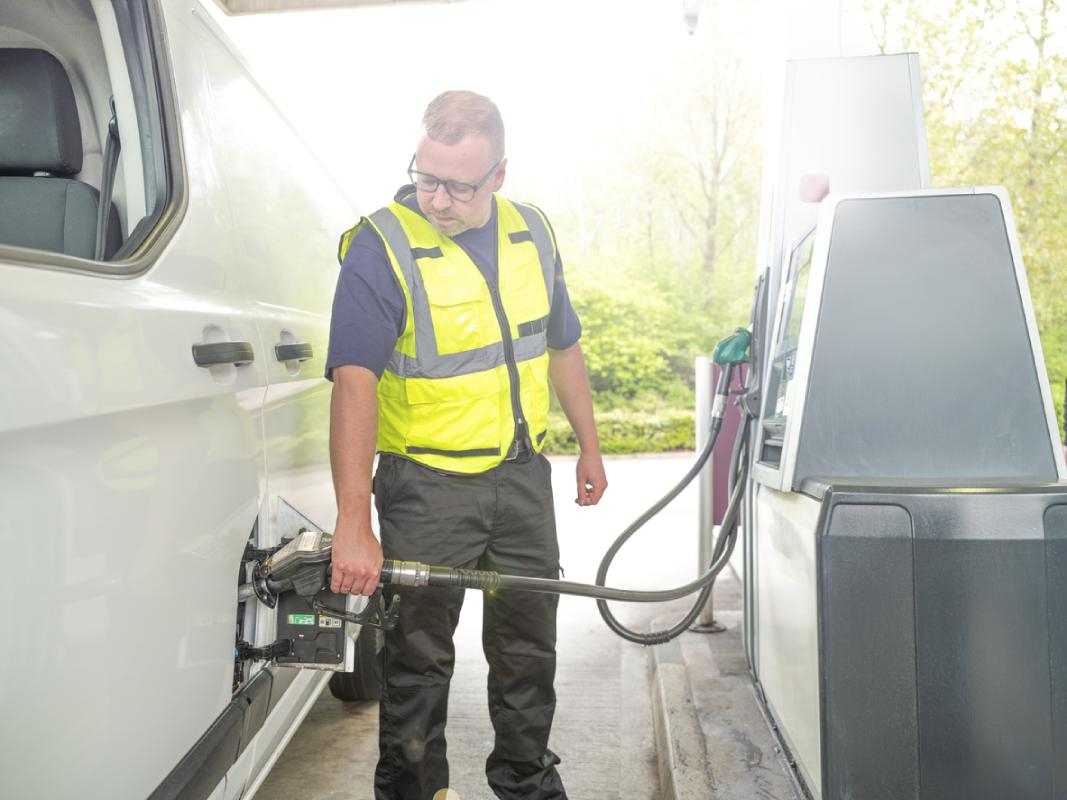
Diesel is the “lifeblood” of more than one million UK tradespeople, the RAC Foundation says, because most light commercial vehicles rely on it. Rising prices are forcing businesses to spend far more just to keep their vans on the road.
Calls are growing for the government to delay the planned fuel duty rise in September. A minister, however, insisted there is “no need” to act on the tax. The RAC Foundation warns the gap between petrol and diesel is the widest since at least 2003.
Diesel ‘lifeblood’ of tradespeople
UK refineries are geared more toward petrol than diesel, leaving the country dependent on imports. Supply chains are vulnerable, especially with the Strait of Hormuz blocked since the Iran war began, sending fuel prices sharply higher.
More than 16 million UK vehicles run on diesel, including 4.6 million vans. Steve Gooding, director of the RAC Foundation, said:
“Diesel is the lifeblood of millions of small businesses, but today white van men are bleeding cash just to stay on the road. If oil prices remain at this level, the impact could be felt for weeks, if not months.”
Higher diesel prices also ripple through the economy, making everyday services from plumbers and carpenters more expensive for households.
Profiteering claims spark debate
Chancellor Rachel Reeves extended the freeze on fuel duty to August 2026, but rates will gradually return to 2022 levels over five years. Campaign group FairFuelUK is calling for a further extension to protect businesses.
A FairFuel survey found that 36% of tradespeople fear their businesses could collapse unless the government acts to reduce pump prices.
Howard Cox, founder of FairFuelUK, said: “Reeves is neglecting her responsibilities by failing to prevent inflation, protect jobs, support GDP, and maintain consumer spending.”
The government says it is monitoring fuel retailers to prevent profiteering. But forecourt bosses argue this approach inflames tensions and puts staff at risk. Allan Leighton, executive chairman of Asda, which runs over 300 petrol stations, dismissed Labour’s profiteering concerns as “nonsense,” calling government warnings “total camouflage.”