
TL;DR: The UK’s new Crime and Policing Act 2026 makes it illegal to own or distribute car theft devices, not just use them. With car theft increasingly driven by tech like relay attacks, the law aims to crack down on both criminals and the tools they rely on.
Key Facts
- New law targets possession and distribution of theft devices
- Penalties include unlimited fines and up to 5 years in prison
- Police can enter premises without a warrant in certain cases
- 60% of London car thefts involve electronic methods
- Brands like JLR investing millions to combat rising theft
Car theft has always been illegal, but until now, the tools used to steal vehicles weren’t always covered by the law. That’s finally changed.
The new Crime and Policing Act 2026 is a major shift in how the UK tackles modern car crime, especially with the rise of keyless theft and electronic hacking devices.
Understanding the legal shift
For years, police could only prosecute the act of stealing a car, not the possession or distribution of the high-tech gadgets used to do it.
That loophole is now closed.
Under the new law, it is illegal to:
- Possess car theft devices
- Import or distribute them
- Modify or adapt them for criminal use
Anyone caught faces unlimited fines and up to five years in prison.
Police powers have also been strengthened. Officers can now enter premises without a traditional warrant if a stolen vehicle has been tracked there, helping speed up recovery and crackdowns on organised theft rings.
The technology behind modern car theft
Car security has evolved, but so have the criminals.
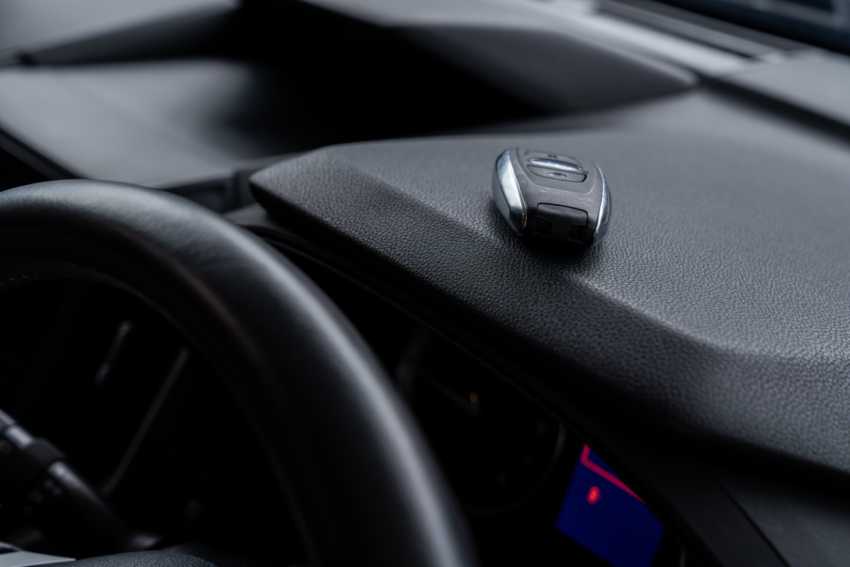
One of the most common methods today is relay theft, where thieves use signal-boosting devices to intercept your key fob signal. Your car thinks the key is nearby, unlocks, and can even start without you knowing.
Another method involves CAN bus injection, where criminals physically access a car’s internal network via ports like the OBDII connector to override security systems.
Both of these techniques, and the tools behind them, are now covered under the new law.
The real impact on UK car owners
This isn’t a small issue; it’s growing fast.
- Around 60% of car thefts in London now involve electronic devices
- Many thefts are linked to organised crime networks
- Vehicles are often stolen to order or stripped for parts
Brands like Jaguar Land Rover (JLR) have been heavily targeted, not necessarily due to weak security, but because their parts are highly valuable on the black market.
In response, JLR has:
- Invested £10 million in new security tech
- Rolled out free security updates for existing vehicles
Meanwhile, rising theft rates are pushing insurance premiums higher, affecting everyday drivers across the UK.
What happens next?
While the new legislation is a big step forward, experts agree it’s not a complete solution.
The next challenge is tackling the bigger picture:
- Breaking down organised criminal networks
- Reducing demand for stolen car parts
- Developing smarter, connected vehicles that are harder to resell or reuse
In short, it’s not just about stopping theft; it’s about making it less worthwhile altogether.