TL;DR; Warwickshire has launched a new road safety campaign aimed at young drivers after data showed they are disproportionately involved in serious and fatal crashes on rural roads. The initiative focuses on improving behaviour at junctions and bends, highlighting that driving at an “inappropriate speed for the conditions”- not just speeding - is a major risk factor.
Young drivers are the focus of a new road safety crackdown after data revealed they face a significantly higher risk of being killed or seriously injured on rural roads.
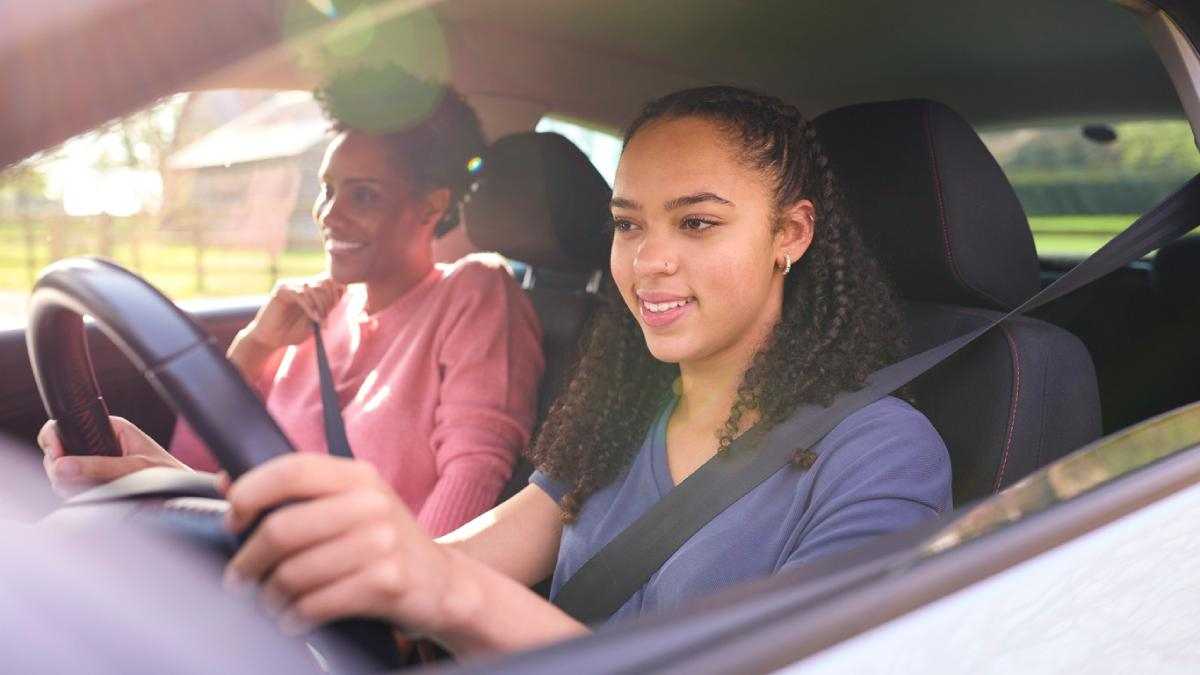
Warwickshire County Council has launched a targeted campaign aimed at newly qualified motorists, with a particular focus on reducing collisions in countryside areas.
A key location in the campaign is the Fosse Way, one of the county’s longest rural routes. Officials have identified this road as a hotspot for dangerous driving, especially at bends and junctions.
The initiative follows concerning statistics. Although young drivers account for just 8% of road users in Warwickshire, they are involved in 21% of all crashes and nearly one-third of fatal incidents on rural roads.
More broadly, rural routes remain a major safety concern, making up 41% of all collisions across the county.
There is also a clear gender imbalance. Men account for 82% of fatalities on countryside roads, highlighting a wider behavioural issue.
Junctions have been singled out as particularly high-risk areas. Data shows that two-thirds of 4,700 serious speeding incidents occurred at these points.
The campaign combines physical road improvements with a strong digital and social media strategy designed to engage younger drivers directly.
A central message challenges a common misunderstanding about speed. Many motorists believe they are only at risk when exceeding the speed limit. However, officials stress that this is not the case.
Research shows that most drivers on Warwickshire’s rural roads travel at 40mph or less, even where the national speed limit is 60mph. This suggests that “inappropriate speed for the conditions” - such as poor visibility or sharp bends - is a leading cause of serious crashes, rather than outright speeding.
Drivers are being encouraged to think more carefully about road conditions, particularly when approaching junctions and corners where reaction times are reduced.
The campaign was developed in partnership with behavioural insights firm SoMoCo. It uses modern data analysis, including mobile phone data and artificial intelligence, to better understand how people drive.
Importantly, young drivers were directly involved in shaping the campaign. Through workshops and research sessions, they helped create video and online content designed to feel relevant and authentic.
This approach aims to move away from traditional top-down messaging, instead delivering safety advice in a way that resonates with its audience.
Mark Ryder, Executive Director for Communities at Warwickshire County Council, said the campaign is a crucial step in addressing the high number of incidents involving young drivers.
He added that combining infrastructure changes with behavioural insights would help “make a real difference where it matters most”.
Warwickshire Police and Crime Commissioner Philip Seccombe also supported the initiative, emphasising the human impact behind the data.
“Every serious collision represents a life-changing moment for a family,” he said. “Too often, those involved are young people with their whole lives ahead of them.”
Ashleigh Green, one of the young contributors to the campaign, said she was encouraged by how seriously officials took their input.
“I was pleasantly surprised that they genuinely listened to our ideas,” she said.
Nicola Wass, chief executive of SoMoCo, noted that traditional road safety messaging often fails to connect with younger audiences. She highlighted inexperience, overconfidence and social pressure as key factors influencing behaviour behind the wheel.