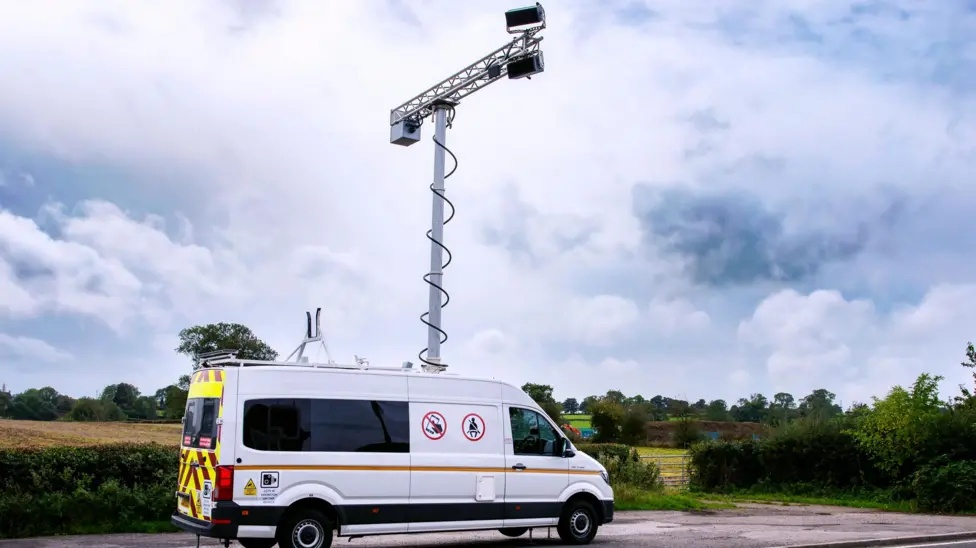
Ministers are being urged to adopt a more modern approach to tackling two of the most persistent driving offences in the UK: using a mobile phone at the wheel and failing to wear a seat belt.
A new white paper from the Parliamentary Advisory Council for Transport Safety (PACTS) recommends a nationwide roll-out of AI-powered roadside cameras, along with in-vehicle monitoring systems, to better detect and deter these high-risk behaviours.
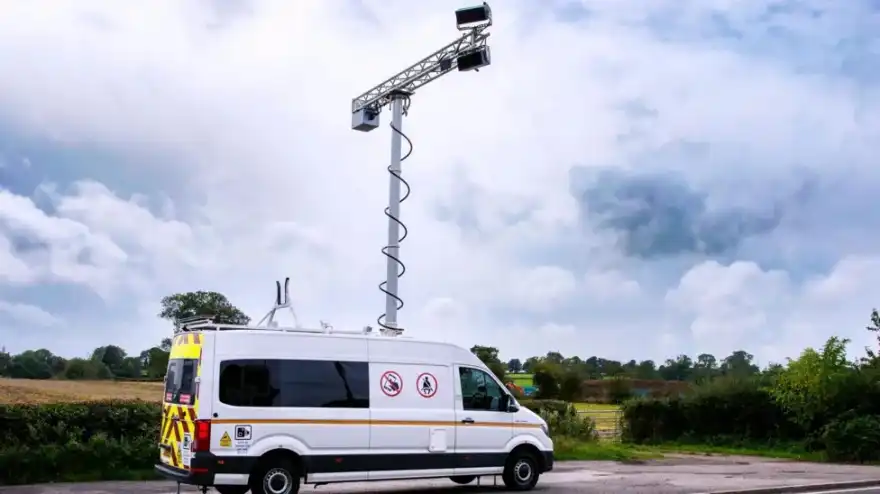
The report is backed by funding from Australian technology firm Acusensus, whose AI cameras have already been used by National Highways and several police forces to spot a range of offences. According to PACTS, UK trials show the cameras can identify thousands of violations within hours and act as a strong deterrent when their presence is made public.
PACTS says new technology - including AI camera systems, in-car monitoring tools and phone-limiting apps - provides practical ways to understand and reduce non-compliant behaviour. The group argues that weak enforcement has created a “failing system”, leaving families at risk until action is taken.
Mobile phone and seat belt offences are part of the “fatal four”, alongside speeding and drink driving. In 2023, almost 65% of fatal crashes in Great Britain involved at least one of these factors. Yet enforcement remains limited, with police relying mostly on sporadic roadside observation, meaning only a small proportion of offenders are actually caught.
Phone use has become normalised as smartphones have evolved, but detection rates remain low. And while most people wear seat belts, unbelted occupants remain heavily over-represented in fatal crash statistics.
To support safer roads, PACTS is urging the Department for Transport to modernise the law so AI camera detection can be used more widely — with all cases still requiring human verification, as seen in current trials. The DfT would also need to set clear rules for deployment, data handling and evidential standards.
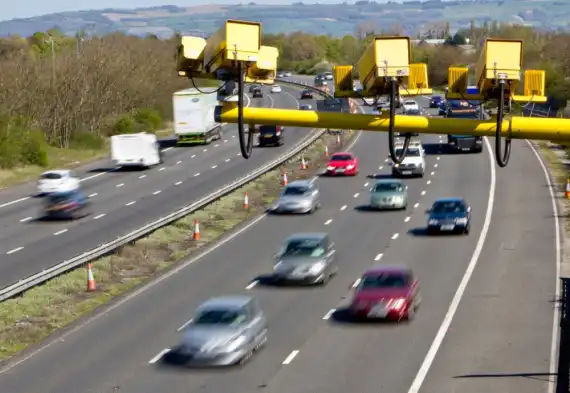
RAC policy advisor Rod Dennis said last year that tougher penalties alone aren’t enough, as many drivers still believe they won’t get caught. He said AI-equipped cameras could help fill the enforcement gap: “The police can’t be everywhere, so it makes sense to use the best technology available.”
AI cameras have also been tested to spot signs of drink or drug driving. Devon and Cornwall Police ran the world’s first trial last year, using software to analyse passing vehicles and alert officers to drivers who might be impaired. The force reported sustained reductions in offending where cameras were used, even after they were removed.
Since mid-2024, Devon and Cornwall Police have processed nearly 5,000 seat belt offences and more than 2,000 mobile phone offences through AI-supported enforcement, with very few cases contested due to strong evidence.
PACTS also wants ministers to review penalties. Currently, not wearing a seat belt carries a £100 fine with no points, and drivers can also be fined if their passengers are unbelted. Mobile phone use carries a £200 fine and six penalty points.
For fleet and haulage firms, the report suggests more robust monitoring tools, including telematics and in-vehicle alerts to ensure drivers aren’t using their phones and are wearing seat belts. PACTS warns that many companies are failing to meet their legal duty to protect both their drivers and the public.
Executive Director Jamie Hassall said too many organisations have “failed to learn from tragic collisions”, and that enforcement often focuses on individual drivers rather than employers who do not take reasonable steps to manage risk.