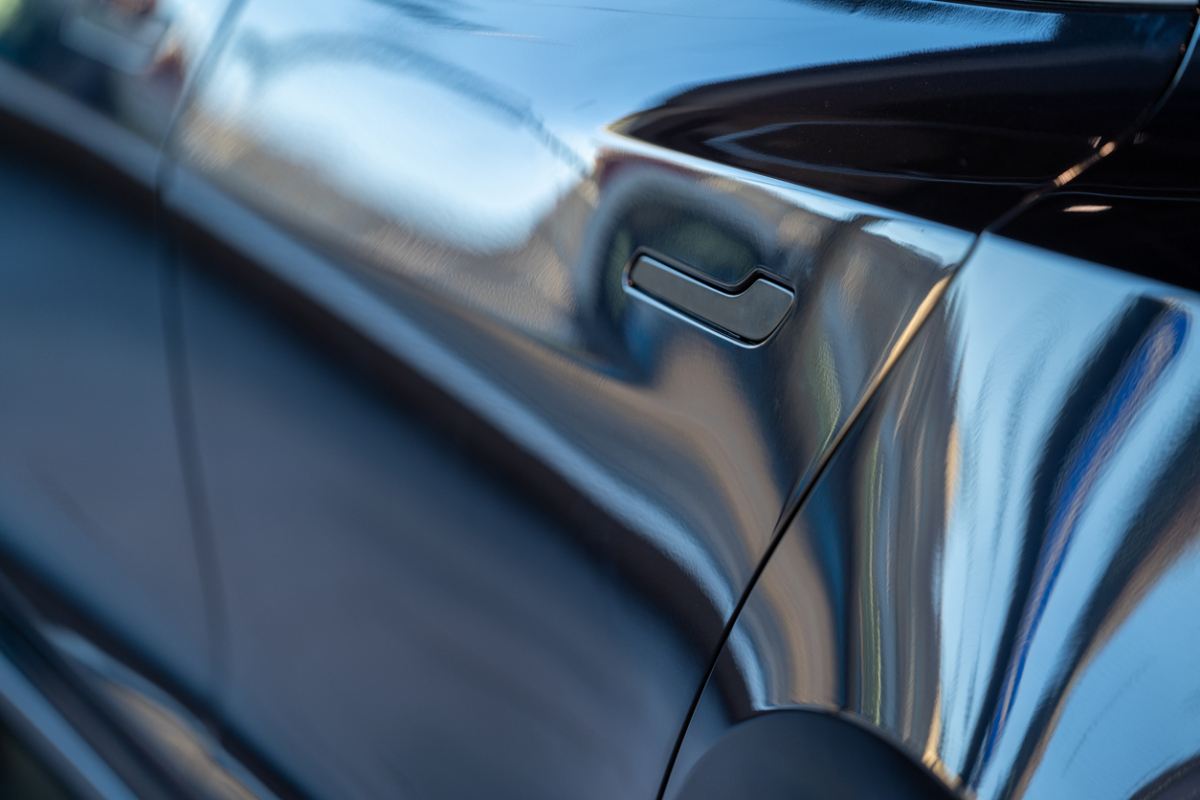
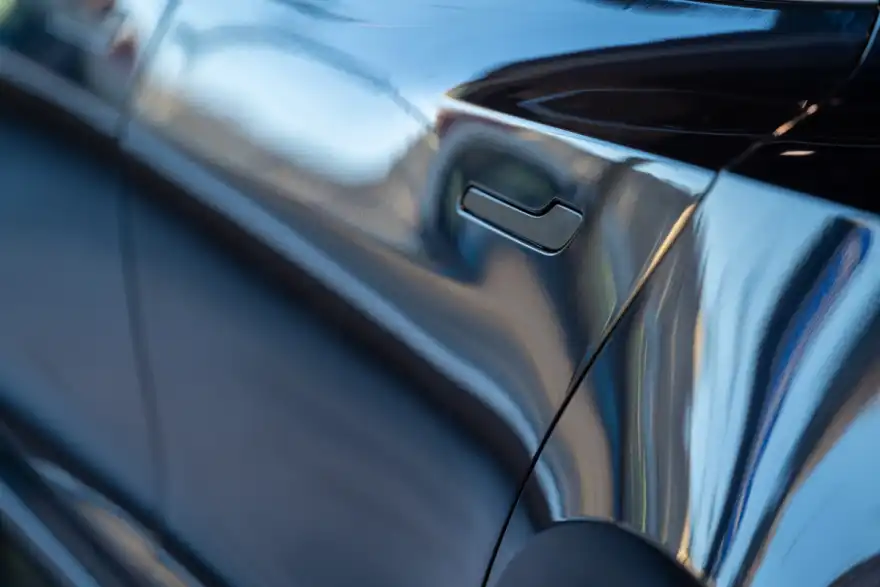
China is banning retractable and flush-fitting door handles from 1 January 2027, after growing concerns that they can stop people getting out of cars in emergencies.
The issue isn’t just theoretical; it’s already been linked to real deaths. In the US, Tesla has faced lawsuits after crashes where electrically operated doors failed to open. According to data shared by the National Highway Traffic Safety Administration (NHTSA) with Bloomberg, at least 15 deaths are being investigated where people couldn’t escape Tesla vehicles after collisions.
China has seen similar problems. In 2025, tech giant-turned-carmaker Xiaomi came under scrutiny after a driver died because he couldn’t get out of his SU7 following a crash. That incident helped trigger a wider investigation by China’s Ministry of Industry and Information Technology (MITT), which reviewed the safety of electric door handles on more than 230 car models. Following a public consultation, the government decided to intervene.
Under the new rules, any car weighing under 3.5 tonnes must have physical interior and exterior door handles, with a mechanical backup that works even if the car loses power. The goal is simple: stop people being trapped inside vehicles and make it easier for emergency services to get in after a crash.
The regulations also say cars must have at least one clearly visible mechanical interior door handle, so occupants can quickly find it in an emergency. On the outside, there must be enough space around the handle to operate it properly, and it must be positioned within 300mm of the door’s edge.
This ban could have a big impact beyond China, which is the world’s largest car market. Carmakers may be reluctant to design different door handle systems just for China, as it adds extra cost and complexity. Flush and electric door handles are everywhere, used by brands like Mercedes, Porsche and DS, and they’re especially popular on electric cars because they help reduce drag and improve efficiency.
Every Tesla currently uses retractable door handles, although the company’s chief designer, Franz von Holzhausen, said in 2025 that Tesla would adapt its designs to meet China’s new rules.
The ban will apply to all new cars from 2027, while models already in production will be given an extra 25 months to comply.