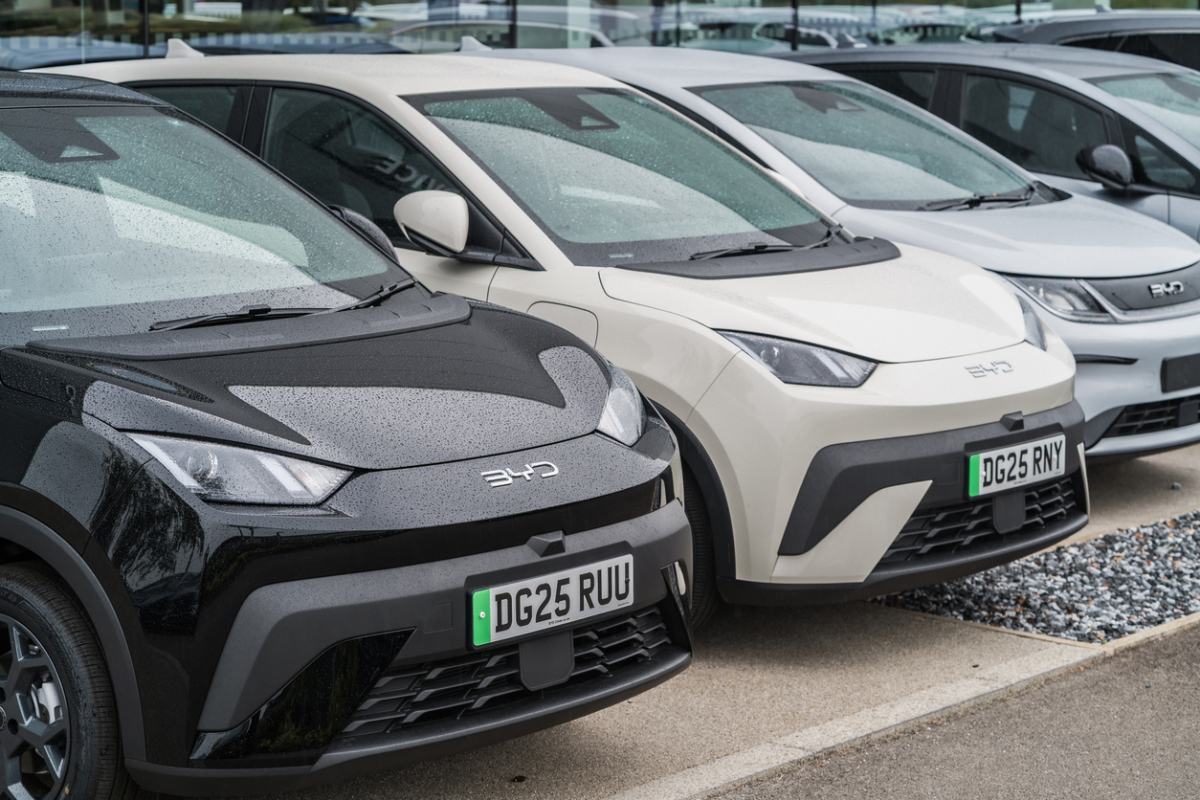
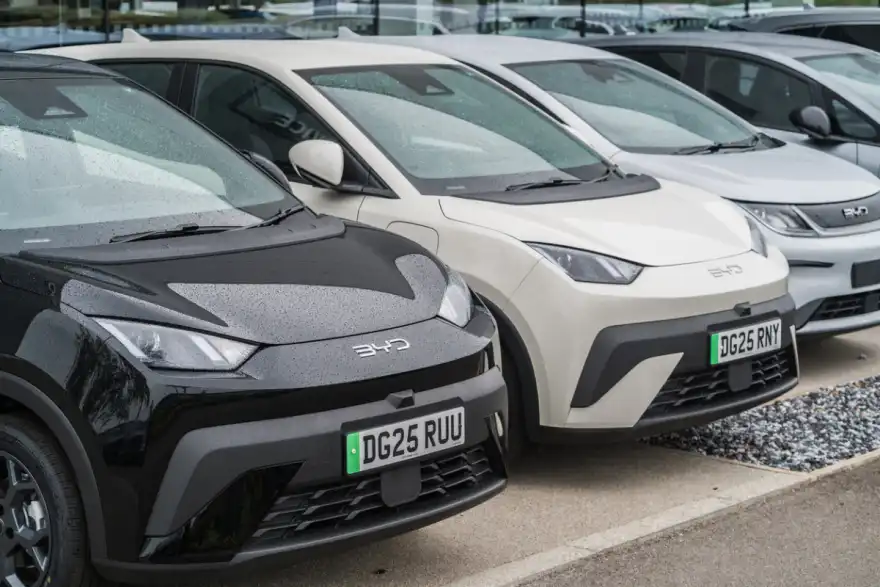
TL;DR: For the first time in UK history, Chinese car brands have officially outsold their Japanese rivals, marking a seismic shift in the market. As of April 2026, brands like BYD and MG hold a 14.2% market share, driven by the popularity of affordable electric cars and advanced onboard technology.
UK car market shock: Chinese brands outsell Japanese for first time
The British car market has just witnessed a monumental turning point, one that will undoubtedly be recorded in automotive history books. For the first time ever, Chinese car brands have officially outsold the Japanese giants on UK shores. This represents a huge shift in the UK’s automotive landscape, confirming a trend that has been building for several years.
Key Facts
- 14.2%: The market share held by Chinese car brands as of April 2026, officially surpassing the 13.2% held by established Japanese car manufacturers.
- 87,500: The number of Chinese-made cars registered by UK drivers in the first four months of 2026 alone, a figure that eclipses the combined sales of Honda, Lexus, Nissan, Subaru, Suzuki, and Toyota.
- BYD: The Chinese manufacturer has officially overtaken Tesla in UK sales, becoming the country's leading seller of electric vehicles so far in 2026.
- 5%: The market share achieved by the Chery Group, including its Omoda and Jaecoo brands, since its UK launch in late 2024 - a milestone that took Kia 25 years to reach.
What this historic shift means for UK drivers
Recent SMMT car registration statistics for 2026 confirm the dramatic change. As of April, brands like BYD, MG, and the rapidly emerging Jaecoo have captured a combined 14.2 per cent of the market. This puts them decisively ahead of the 13.2 per cent share held by long-standing heavyweights such as Toyota and Nissan.
This isn't a sudden shock, but the culmination of a deliberate strategy. Driven by sharp pricing and seriously impressive electric vehicle technology, Chinese vs Japanese car manufacturers are no longer competing on budget alone; they are setting the pace.
The latest data shows that nearly 87,500 Chinese-made cars were snapped up by British drivers in the first four months of this year. It's a total reversal of fortune. Just a few years ago, the idea of a Chinese brand outperforming the likes of Nissan or Honda would have seemed like a wild prediction. Today, it’s the new reality.
BYD vs Tesla: A new leader in the UK EV race
So, why are these cars suddenly everywhere? Price is an obvious factor. It's well-known that Beijing provides heavy subsidies, but the story doesn't end there. It’s not just about being cheap.
Many drivers are now drawn to the high level of technology offered as standard. These cars are often packed with gadgets and features that legacy brands typically reserve for high-end trim levels or expensive optional extras. The battery technology, in particular, is now considered top-tier.
The result? The BYD vs Tesla UK sales race has a new leader. BYD has successfully knocked Tesla from its long-held top spot, becoming the UK’s leading EV seller in 2026.
The 'Temu Range Rover': How price and tech are driving sales
The dominance extends into the plug-in hybrid (PHEV) sector. Last month, the top six best-selling PHEV models were all from Chinese car brands. The star of this show was the Jaecoo 7, nicknamed the ‘Temu Range Rover’ by some for its premium looks at a surprisingly low price point.
Following closely behind were other strong contenders like the BYD Seal U and the Chery Tiggo 8, cementing the idea that affordable electric cars in the UK are now synonymous with these new market entrants.
The sheer speed of this takeover is truly mind-blowing. The Chery Omoda Jaecoo UK launch only happened in late 2024. Yet, in that short time, the group has already stormed to a 5 per cent market share.
Then there’s Geely. While many UK drivers know them as the parent company of Volvo and Lotus, they launched their own self-titled brand just one year ago. In only twelve months, Geely has already managed to outsell Subaru, a brand that has been a staple on British roads since the 1970s.
Will UK EV import tariffs slow the Chinese takeover?
While the new arrivals surge, established players are feeling the pressure. Toyota, while still the biggest individual brand, has seen its market share slip from 4.5 to 4.1 per cent this year. Meanwhile, both Honda and Nissan are reporting double-digit sales slumps.
For drivers, this intense new rivalry is largely a win-win. It means more choice, better standard equipment, and most importantly, it makes the switch to an EV more affordable than ever. Your options just got better.
Of course, there is political noise around the topic. There are ongoing discussions about UK EV import tariffs and the impact of state subsidies, with figures like Reform MP Robert Jenrick voicing concerns about protecting local jobs. But for now, British buyers seem more than happy to vote with their wallets.