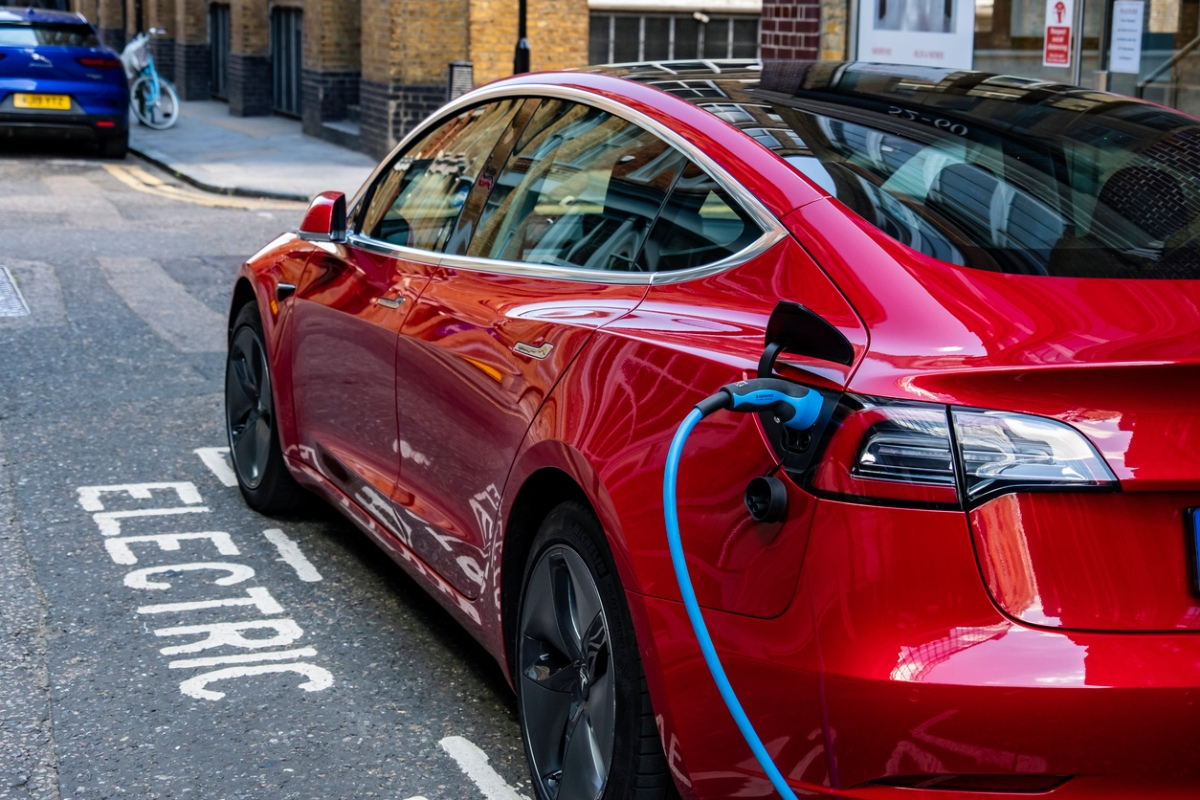
Labour is facing growing pressure to delay its 2030 ban on new petrol and diesel cars, as the EU prepares to push back its own deadline.
Reports suggest Brussels will shift its target from 2035 to 2040 after pressure from German chancellor Friedrich Merz, who fears the original timeline would hurt weaker European economies.
Tim Tozer, UK chairman of Allianz Partners and former boss of several major car brands, told the Sunday Times he has “good authority” that the EU will confirm the 2040 date. That would mean petrol and diesel cars could stay on sale in Europe for ten years longer than in the UK, raising questions about whether British drivers and manufacturers are being put at a disadvantage.
Despite this, the Department for Transport has told UK car makers that the 2030 ban remains unchanged. In November, electric vehicles made up one in four new car sales.
Labour still plans to end sales of pure combustion engine cars by 2030 under the Zero Emission Vehicle (ZEV) mandate. This requires manufacturers to sell an increasing share of EVs - 28% next year, rising to 33% in 2026 and 80% by 2030. Hybrids will be allowed until 2035.
Because three-quarters of UK-built cars are exported - mostly to Europe - a ten-year gap between UK and EU deadlines means manufacturers would need to operate dual production lines to meet differing demands.
The EU’s expected delay comes as the US also moves away from pro-EV policy, with President Donald Trump expected to reverse incentives introduced under Joe Biden.
Conservative MPs have criticised Labour’s stance, saying the UK should not race ahead of Europe. Former Aston Martin CEO Andy Palmer said a delay from the EU was “seemingly inevitable” due to industry lobbying, but also a “huge mistake,” warning Western car makers risk falling behind China.
In the Autumn Budget, Chancellor Rachel Reeves introduced a new pay-per-mile road tax for EVs starting in 2028 - 3p per mile for electric cars and 1.5p for plug-in hybrids. Critics say the move will suppress EV demand just as sales are already slowing. November saw the weakest EV growth in nearly two years, with EVs accounting for 26.4% of the market, far below the 28% ZEV mandate target for 2025.
Reeves also announced £1.3bn for the Electric Car Grant, offering up to £3,750 off EVs priced under £37,000 to help boost uptake.