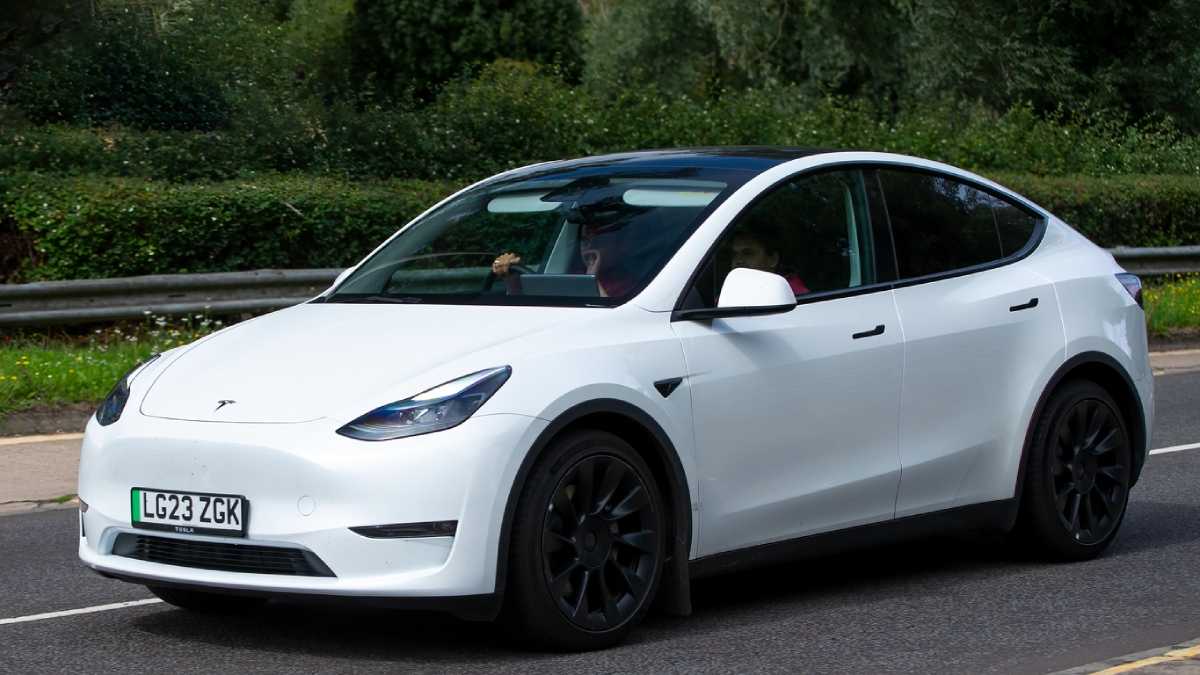
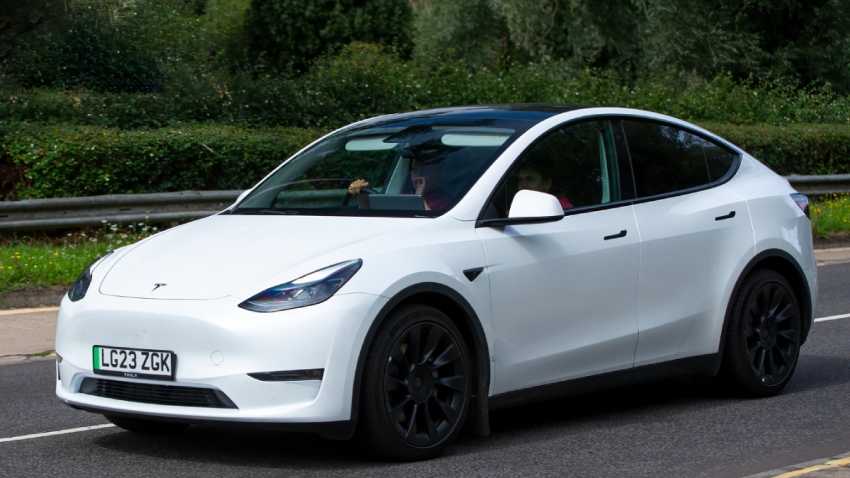
Charging an electric car at home has just got cheaper again, after E.ON Next cut the overnight rate on its Next Drive Smart tariff to 6.5p a kWh on 27 October, which Auto Express reckons makes it the cheapest EV tariff in the UK.
At that price, putting 60kWh into the battery of a rear-wheel-drive Tesla Model Y costs £3.90. Do the same at a public rapid charger, where Zapmap puts the average pay-as-you-go price at 79p a kWh, and it's about £47, so a driver without a driveway is paying around 12 times as much for exactly the same electricity.
How much does it cost to charge an electric car at home?
On E.ON's new rate, very little, as long as you do it overnight. The 6.5p applies between midnight and 6am, and E.ON's own savings sums assume an electric car covers about 3.33 miles for every kWh, which puts the cost at roughly 2p a mile. Over 8,000 miles a year (E.ON's figure again), that's about £156 of electricity for the whole year.
There are two catches worth knowing before you switch. You need a smart meter and a compatible car or wallbox so the tariff can decide when your car charges, and anything you use outside the six-hour window is billed at the day rate, which Auto Express gives as 34p a kWh. Plug the Model Y in at 6pm when you get home and let it charge straight away, and the same 60kWh costs £20.40.
The other catch is that six hours isn't long enough to fill a big battery from empty on a normal home charger. A typical 7kW wallbox adds about 42kWh in that time, which costs £2.73 and is good for roughly 140 miles, so the £3.90 full charge is really two nights' worth for most people (which is how most owners top up anyway).
How much does public charging cost?
A great deal more. Zapmap's price index for September puts the average pay-as-you-go price at 79p a kWh for rapid and ultra-rapid chargers, meaning anything from 50kW upwards, and 54p for the slower chargers you find on lamp posts and in car parks. Using the same 3.33 miles per kWh, that's about 24p a mile on a rapid charger and 16p a mile on a slow one.
Over a year at 8,000 miles, a Model Y owner who only uses rapid chargers would spend about £1,898 on electricity, and one who relies on slow street chargers about £1,297, against £156 for someone plugging in at home overnight on E.ON's rate.
Is charging an electric car cheaper than petrol?
At home it's far cheaper, but on rapid chargers it can cost you more than petrol. We worked out what the same 8,000 miles would cost in a Nissan Qashqai mild hybrid, one of Britain's best-selling family SUVs, at its official 43.5mpg and the average petrol price of 172.7p a litre that PetrolPrices was showing on 29 October. It comes to about £1,444 a year, or 18p a mile, which is around £450 less than the Model Y driver who uses nothing but rapid chargers.
Take that with a pinch of salt, because official MPG figures usually flatter a petrol car, and a Qashqai would probably cost a bit more than that in real life. Even so, an electric car only saves you money on fuel if most of your charging happens at home or on cheaper slow chargers.
Is VAT charged on EV charging?
It depends where you plug in, and this is the part of the gap the government controls directly. VAT on household electricity was cut from 5% to zero on 1 October, and EDF confirms the cut covers EV tariffs too, so charging at home carries no VAT at all. Public charging still carries the full 20%, which works out at about 13p of every kWh on Zapmap's 79p average.
John Healey left that 20% untouched in this week's Budget, as we covered in our look at what the Budget means for drivers. The one bit of help is £100m over two years from spring 2027 to bring down prices at local, lower-powered public chargers, which the government says should save a driver who relies on them about £150 a year. That's welcome, though it's a small dent in a gap that's worth well over £1,000 a year to someone who has to use rapid chargers.
Will pay-per-mile tax cost more than the electricity?
For drivers on a cheap home tariff, it will. The 3p-a-mile charge on electric cars (1.5p for plug-in hybrids) is still due from April 2028, as we explained when pay-per-mile car tax was confirmed. At 8,000 miles a year that's £240, which is more than the £156 the same driver would pay E.ON for the electricity.
We doubt many people expected the tax on a mile of electric driving to end up bigger than the cost of the electricity for that mile, but on the cheapest overnight tariffs that's exactly where we're heading. For a rapid-charging driver, the 3p barely registers next to 24p a mile, which tells you how differently the two groups experience owning the same car.
What if you can't charge an electric car at home?
Then where you charge matters more than anything else. Slow chargers in supermarket and council car parks cost a lot less than motorway rapids, some employers offer cheap or free charging at work, and the bigger rapid networks sell monthly subscriptions that bring the price down for regular users, so it's worth working out which of those fits your week before you assume the 79p average is what you'll pay.
If you're keeping a closer eye on what your car costs you, Regit's free Digital Garage keeps your tax and MOT dates in one place and reminds you before either is due, so there's one less bill to be caught out by. Set up your free Digital Garage with Regit.
Our verdict on the cost of charging at home
If you have a driveway, a smart meter and a car that can work with it, an overnight EV tariff is the best deal in motoring right now, and at around 2p a mile it's hard to think of a cheaper way to get about short of a bicycle. If you don't, the sums look very different, because at 24p a mile on rapid chargers you'd spend less running a petrol Qashqai, and nothing in this week's Budget changes that. We think the 20% VAT on public charging is the obvious thing to fix next, since it's the one part of the gap the Treasury sets directly.