TL;DR: Tesla is pivoting from electric vehicle production toward Tesla AI and robotics following a 3% revenue decline and a 61% profit drop in 2025. The company has halted production of the Model S and Model X to repurpose its California factory for Optimus humanoid robots. Despite shareholder pushback, Tesla is investing $2 billion in Elon Musk’s xAI to accelerate its robotaxi and autonomous technology strategy.
For the first time since Elon Musk took the reins, Tesla’s annual revenue has actually shrunk. It’s a massive moment for the firm, signalling a messy, high-stakes pivot away from being 'just a car company' toward the world of Tesla AI and robotics.
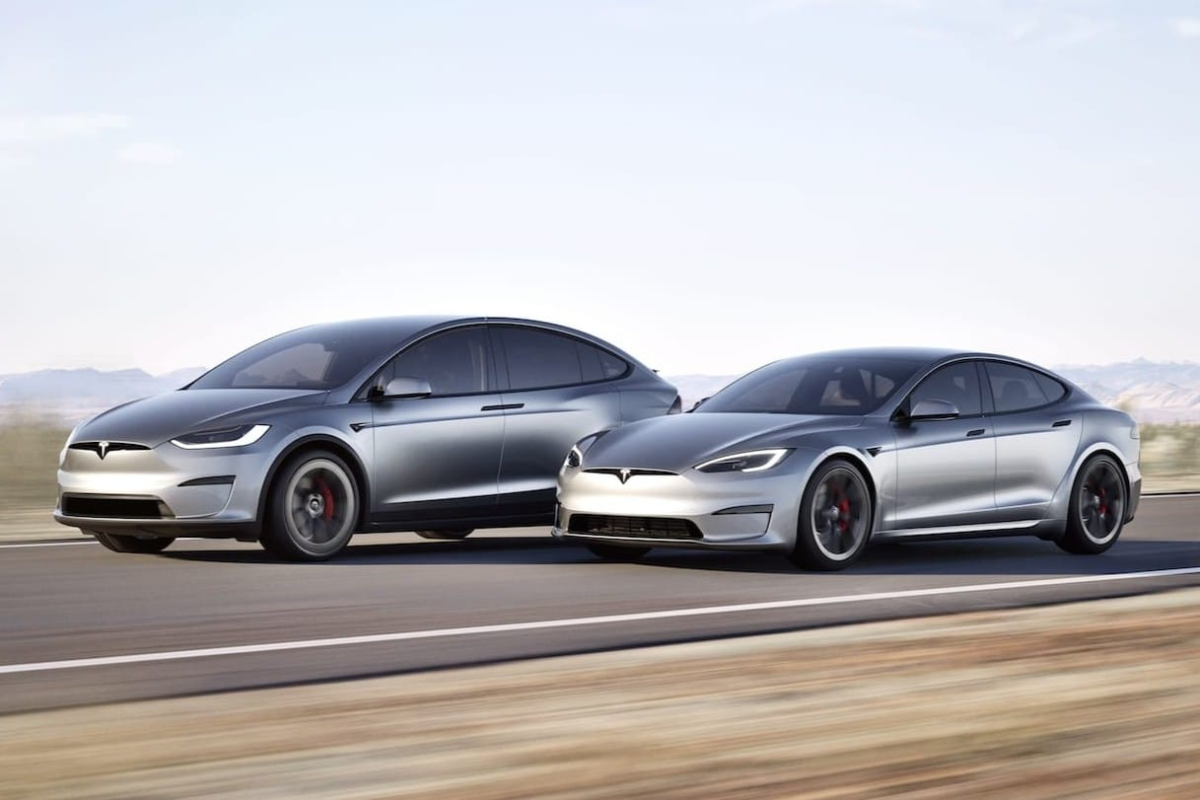
2025 figures tell a pretty bleak financial story. Total revenue dipped by 3% over the year, but the real sting came in the final quarter, where profits crashed by 61%. We're seeing the end of an era here—Tesla's luxury roots are being pulled up as they stop making the flagship Model S and Model X. Instead of churning out high-end saloons, the California factory is being gutted and refitted to build Tesla Optimus humanoid robots.
But here’s the thing: does this shift actually make sense? The timing is certainly tight. In early 2026, the long-running BYD vs Tesla EV market share scrap finally tipped in favour of the Chinese giant. With BYD now wearing the crown of the world's biggest EV maker, Tesla’s ageing lineup has struggled to keep pace. To fix this, Musk is betting the house on a Tesla robotaxi strategy, hoping autonomous software can do what hardware no longer can.
Musk’s own reputation has become a bit of a lightning rod lately. His deep dive into US politics and a cost-cutting gig in the Trump administration haven't exactly thrilled his core customer base. We've also seen the impact of Trump subsidies on Tesla start to bite; as incentives for electric cars get slashed, the financial case for sticking purely to EVs looks weaker by the day.
To fund this new direction, the company pushed through a controversial Elon Musk xAI investment worth $2 billion. Even though plenty of shareholders weren't exactly cheering for it, Musk brushed off the critics. He basically told everyone he was just doing what was asked of him. It’s an expensive gamble to link Tesla’s physical machines with xAI’s digital brains, but that's the path they've chosen.
Looking at the Tesla 2025 financial performance, it’s clear we’re entering a period of 'spend now, hope later.' Musk is chasing a pay deal that could hit $1 trillion—if he can somehow supercharge Tesla market value growth over the next ten years. That’s going to require a staggering $20 billion in capital spending just in the next twelve months alone.
"It's going to be a very big [capital expenditure] next year," Musk told analysts recently. He's talking about an "epic future," and surprisingly, Wall Street seems to be listening. Shares actually ticked up 2% because, honestly, investors prefer a risky plan over no plan at all.
Experts like Jessica Caldwell from Edmunds aren't totally shocked by the Tesla-discontinued models. The S and X were never the big breadwinners anyway. By thinning the herd to focus on the Model 3 and Model Y while pouring resources into Tesla AI, Musk is betting that intelligence, not just assembly lines, is where the real money lives.