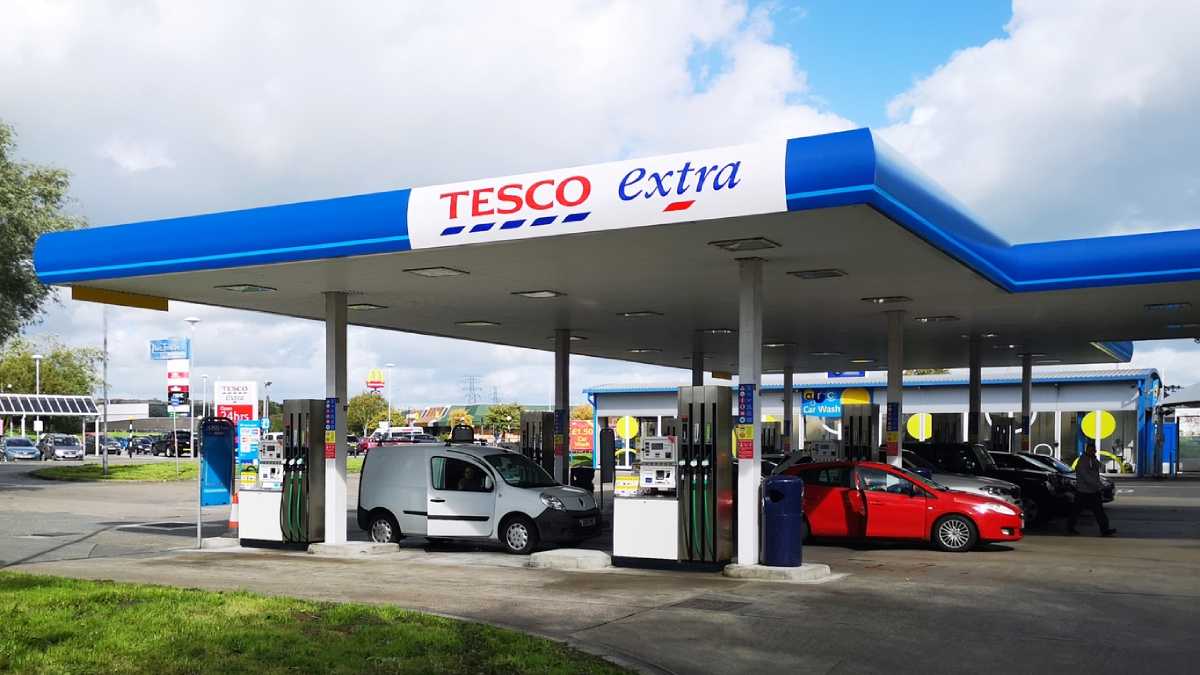
The G7 has agreed to release up to 100 million barrels of oil and fuel from emergency reserves as soaring global energy prices push average UK diesel prices above £2 a litre.
The coordinated release will run over the next four months, with a substantial amount of diesel expected to reach the market within the first 20 days.
The move follows intense pressure from US President Donald Trump, who had threatened to restrict American diesel exports if other countries did not do more to ease the supply squeeze.
The announcement comes as motorists across Britain face record pump prices, with the RAC reporting an average diesel price of 200.01p a litre on Friday.
G7 emergency oil release explained
The G7 agreement covers crude oil and refined fuel products, with diesel getting particular attention because supplies have been hit by disruption to refining and international shipping.
The International Energy Agency will coordinate the release. G7 leaders have also agreed to avoid measures that restrict energy and petroleum product trading between partner countries.
The first sizeable diesel release is expected within 20 days, with the wider 100 million barrel programme taking place over four months.
The figure sounds enormous, but global oil demand is enormous too. The Washington Post reported that the full release is equivalent to roughly one day's worldwide oil demand, meaning it could take the edge off prices without solving the underlying supply problems.
UK diesel price reaches £2 a litre
The immediate concern for British drivers is the price at the pumps.
The RAC says average UK diesel reached 200.01p a litre on 2 October, the first time the national average has crossed £2. Filling an average family car now costs around £110, almost £32 more than before the conflict with Iran began.
That rise matters well beyond private motorists. Diesel remains heavily used by vans, HGVs, coaches, agricultural machinery and other commercial vehicles, so prolonged high prices can feed into the cost of transporting goods and running businesses.
UK coach and haulage operators are already warning that record diesel costs are putting pressure on tight margins, with some businesses calling for government support.
Why is diesel so expensive?
The current squeeze has several causes.
The conflict involving Iran has disrupted crude oil and refined fuel supplies, while attacks on infrastructure and disruption around the Strait of Hormuz have made international shipments more difficult.
Russia's reduced diesel exports have added another problem. Refinery damage and disrupted production in several major supply markets have also restricted the availability of refined fuel.
The result is a market where crude oil remains expensive and diesel supplies are particularly tight. Brent crude was still trading above $100 a barrel on 4 October, although prices had started to ease as Middle Eastern exports recovered and the G7 reserve release was announced.
Will the G7 release bring diesel prices down?
It should help in the short term, but I wouldn't expect £2 diesel to suddenly disappear.
The extra supply gives fuel markets some breathing room and the announcement has already been followed by falls in oil and European diesel prices.
The bigger problem is that emergency reserves cannot replace normal global production indefinitely. If disruption to oil flows, refineries or shipping continues, the market could tighten again once the additional stocks have been used.
There is also a question over how much of the 100 million barrels represents genuinely additional supply. Japan has already said it has no plans for another national reserve release, while questions remain over how the new G7 commitment interacts with the much larger emergency release agreed earlier in the year.
What does it mean for UK motorists?
For drivers, the most encouraging part is that the G7 action should increase the amount of diesel available to the international market.
That could take some pressure off forecourt prices if supply conditions continue to improve. It does not guarantee a rapid fall, though, because pump prices also reflect wholesale fuel costs, distribution, taxes and retailer margins.
The UK government has also been keen to reassure motorists that Britain is not facing an immediate diesel shortage. Transport minister Keir Mather said the country's fuel supply remained resilient despite the international disruption.
So there is no reason for motorists to panic-buy diesel.
What happens next?
The first test will be whether the additional diesel reaches markets quickly enough to ease wholesale prices.
G7 leaders have left the door open to further releases if necessary, while oil markets are still watching developments around the Strait of Hormuz and the wider Middle East.
For British motorists, the reserve release is welcome news after an exceptionally painful few months at the pumps. But I wouldn't call it a fix. It buys time and adds supply at exactly the point the market needs it, while the much bigger challenge remains getting global oil and refining capacity back to something approaching normal.
For now, anyone running a diesel car, van or business should expect prices to remain volatile. The £2-a-litre barrier has been broken, and how quickly we move back below it will depend on what happens to global fuel supplies over the next few weeks.