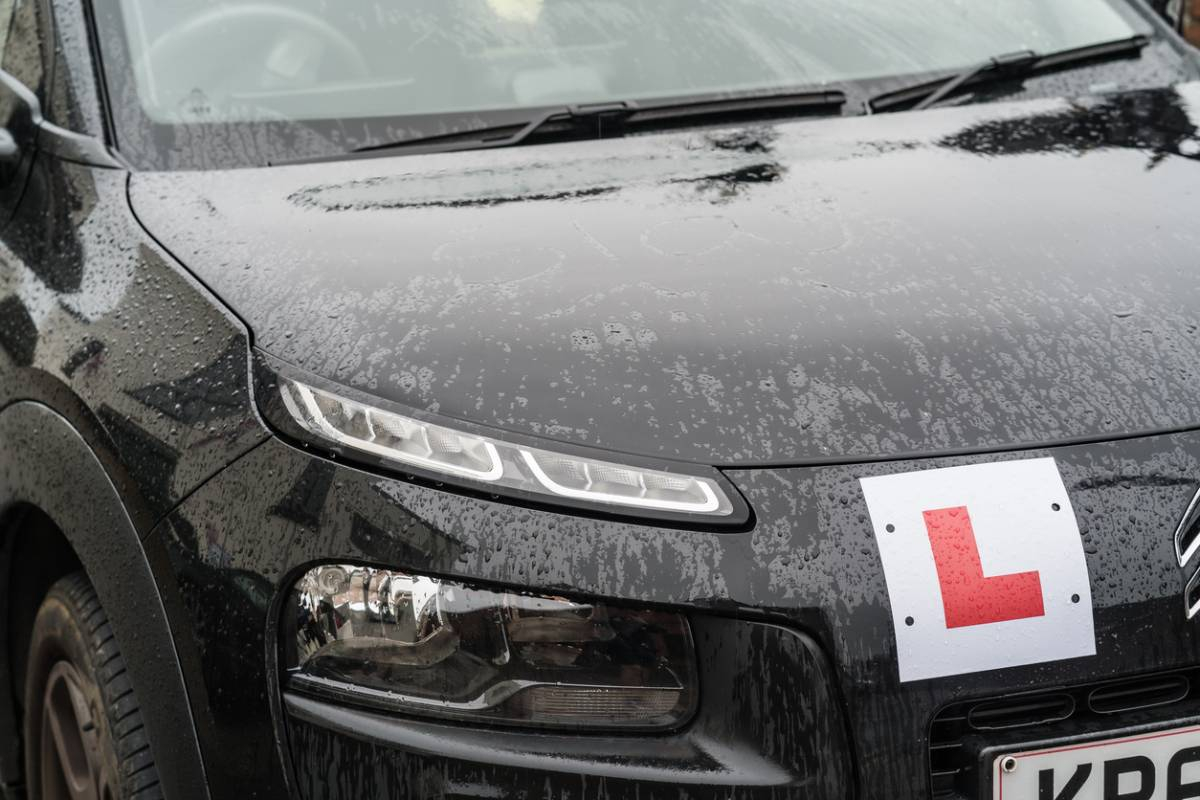
Northern Ireland will be the first part of the UK to introduce graduated driving licences, a major reform aimed at reducing fatal road crashes involving young drivers.
The changes, described as the most significant in 70 years, will mirror systems already in place in countries such as Australia, the US, and the Republic of Ireland. They are expected to come into effect in October and will primarily target drivers aged 17 to 23, although all new drivers will be affected.
Key measures include a six-month delay before learners can take their practical test, restrictions on night-time driving, and limits on the number of passengers.
Infrastructure Minister Liz Kimmins said the reforms are “aimed at young drivers, who are sadly most at risk of serious injury or death on our roads.”
Chief Superintendent Sam Donaldson of the Police Service of Northern Ireland (PSNI) added that the scheme could save lives. Some young people, however, expressed mixed reactions, with one admitting they were “not looking forward to the changes.”
Why Are Graduated Licences Being Introduced?
The Department for Infrastructure said the reforms aim to improve driver training and testing for new drivers and motorcyclists.
Minister Kimmins highlighted that in 2024, 164 people aged 17–23 were killed or seriously injured in Northern Ireland. Despite holding just 8% of driving licences, this age group accounted for 24% of fatal or serious collisions.
Pat Delaney, director of operations at the Driver and Vehicle Agency Northern Ireland (DVANI), said the rules will apply to anyone receiving a provisional licence from 1 October and are designed to “improve road safety for young drivers.”
Graduated Licence Rules in Northern Ireland
The key changes include:
- Learner drivers must wait at least six months before taking their driving test, except for carers.
- Completion of 14 training modules is required, signed off by an approved instructor or supervising driver.
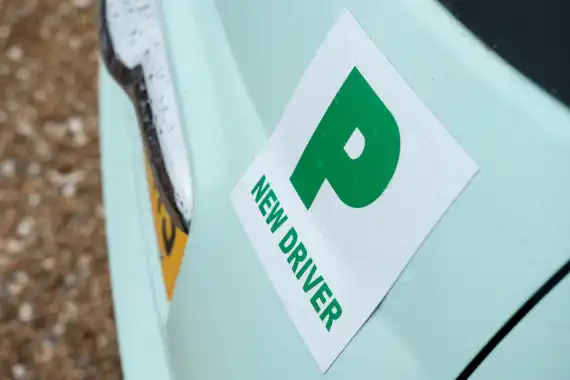
- A two-year ‘restricted driver’ period will require an ‘R’ plate on the vehicle, with colour variations indicating the initial six months.
- For the first six months after passing, drivers under 24 may carry only one passenger aged 14–20 between 23:00 and 06:00, excluding immediate family or a licensed adult with three years’ experience.
- Learners can drive on motorways under instructor supervision and up to the posted speed limit once qualified.
- The current 45mph limit for restricted drivers will be removed.
- Breaching the restrictions may result in three penalty points or fines up to £1,000.
Ch Supt Donaldson said the rules reflect approaches used in Scandinavia, where gradual restrictions have led to safer roads. He welcomed the changes and noted the importance of allowing new drivers to “learn at a slower pace.”
The Department for Infrastructure plans to launch a public information campaign and work with instructors, the PSNI, and other stakeholders ahead of implementation.
Reactions from Young People
At St Mark’s High School in Warrenpoint, students had mixed opinions.
- Oliver, 15, said the delay to driving tests could be frustrating but acknowledged the safety benefits.
- Cormac, 17, who passed his test quickly, welcomed the removal of the 45mph limit but understood the need for minimum lesson requirements.
- Amy, 18, opposed passenger restrictions but recognized the safety rationale.
- Matthew, 17, said the rules would limit late-night lifts but agreed they would improve safety.
Views from Driving Instructors
Peter Carmichael, who has over 17 years of experience teaching drivers, welcomed the reforms. He said, “If it prevents road deaths, we’re fully on board,” but noted he would like more detailed guidance on how the rules will operate.