From April 2026, the luxury car tax exemption for new electric vehicles will rise to £50,000, up from the current £40,000 threshold. This welcome change means drivers of many popular EVs could save £2,200 in tax over a five-year period.
EV drivers win as luxury car tax exemption finally rises to £50k
Great news for anyone eyeing up a new electric car: the UK government has confirmed a long-awaited change to the Expensive Car Supplement.
From 1st April 2026, the threshold for this extra charge on zero-emission vehicles has risen from £40,000 to £50,000, a relief for buyers feeling the pinch of rising EV prices. Many popular models that recently tipped over the old limit will now escape the surcharge entirely.
Key Facts
- £50,000 – new list price threshold for the Expensive Car Supplement on EVs from April 2026
- £2,200 – total five-year saving for EV drivers under the new £50k cap
- 1st April 2026 – date the new rules take effect
- £440 – the current annual surcharge for cars over £40,000
How the new EV tax rules work
This update is a big win for anyone planning the switch from petrol or diesel to electric. In recent years, inflation and rising manufacturing costs have pushed many standard family EVs over the £40,000 mark, dragging them into “luxury car” territory when they’re anything but.
Under the current rules, any new car with a list price over £40,000 gets hit with a £440 annual supplement for five years, starting from the second year after registration. That’s on top of standard Vehicle Excise Duty (VED).
From April 2026, things get much fairer. If your EV’s official list price is under £50,000, you’ll avoid the supplement entirely, saving £440 a year or £2,200 over five years.
But go even a single pound over, and you’ll pay the full charge. A car priced at £50,001 costs you £2,200 more in tax than the same model at £49,999. It’s a clear financial tipping point that makes checking your spec sheet more important than ever.
The “RRP trap”: What drivers need to know
Here’s a catch that often trips up buyers: the tax is based on your car’s official list price (RRP) – not what you negotiate with the dealer.
The official RRP includes:
- The base cost of the car
- Factory-fitted options
- VAT
- Delivery fees
For example, the Kia EV6 GT-Line lists at around £48,275. Add a heat pump (£900) and premium paint (£675), and you’re still under the threshold. But add a sunroof (£1,000) and you’re suddenly at £50,850, meaning you’ll owe the £440 supplement.
Even with a discount, the DVLA uses the list price before registration, not your final invoice. Always check the P11D value before signing, as optional extras can quietly push you over the limit.
Cars exempt from luxury car tax: more choice than ever
Thanks to the higher threshold, buyers now have a much wider range of EVs that qualify for the exemption. As of April, many of the UK’s bestsellers now sit safely under the £50k ceiling:
- Audi Q4 e-tron
- Audi Q4 Sportback e-tron
- BMW iX1
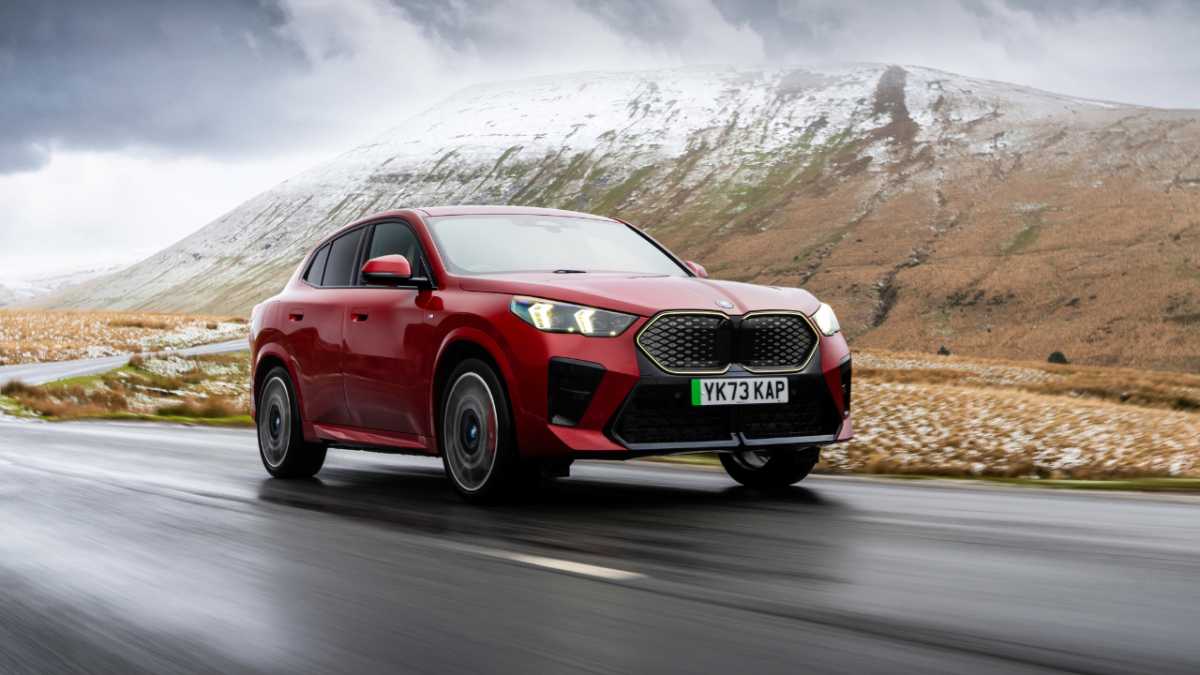
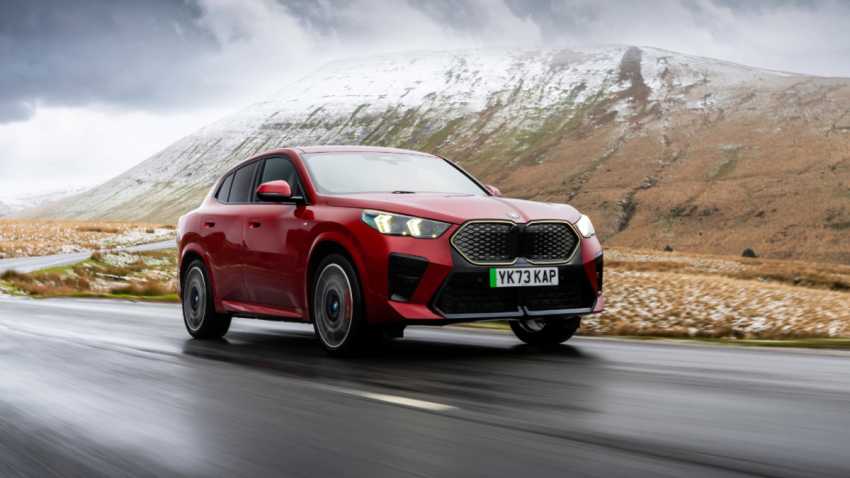
- BMW iX2
- BYD Seal
- BYD Sealion 7
- Cupra Tavascan
- Ford Capri
- Hyundai Ioniq 5
- Hyundai Ioniq 6
- Kia EV4 Fastback
- Lexus RZ
- Mercedes-Benz CLA Electric
- Mercedes-Benz EQA
- Mercedes-Benz GLB Electric
- MG IM6
- Peugeot E-3008
- Peugeot E-5008
- Polestar 2
- Skoda Enyaq Coupe
- Tesla Model 3 Premium
- Tesla Model Y
This change benefits families most. In the past, choosing a larger battery or all-wheel-drive version often meant swallowing the £2,200 penalty. Now, you can opt for higher trims like a Polestar 2 or Enyaq without getting stung.
Impact on the used market and future values
The effects won’t stop at new car buyers. This change could strengthen the used EV market too.
From 2025, all electric cars began paying standard VED, but avoiding the Expensive Car Supplement will still make sub-£50k EVs more desirable. Cars that fall safely below the threshold will hold their value better, as buyers flock to save on long-term running costs.
In short, choosing wisely today could pay off for years. By staying under the £50k cap, you’re not only saving upfront; you’re investing in an EV that’s cheaper to own, easier to sell, and better for your wallet in the long run.