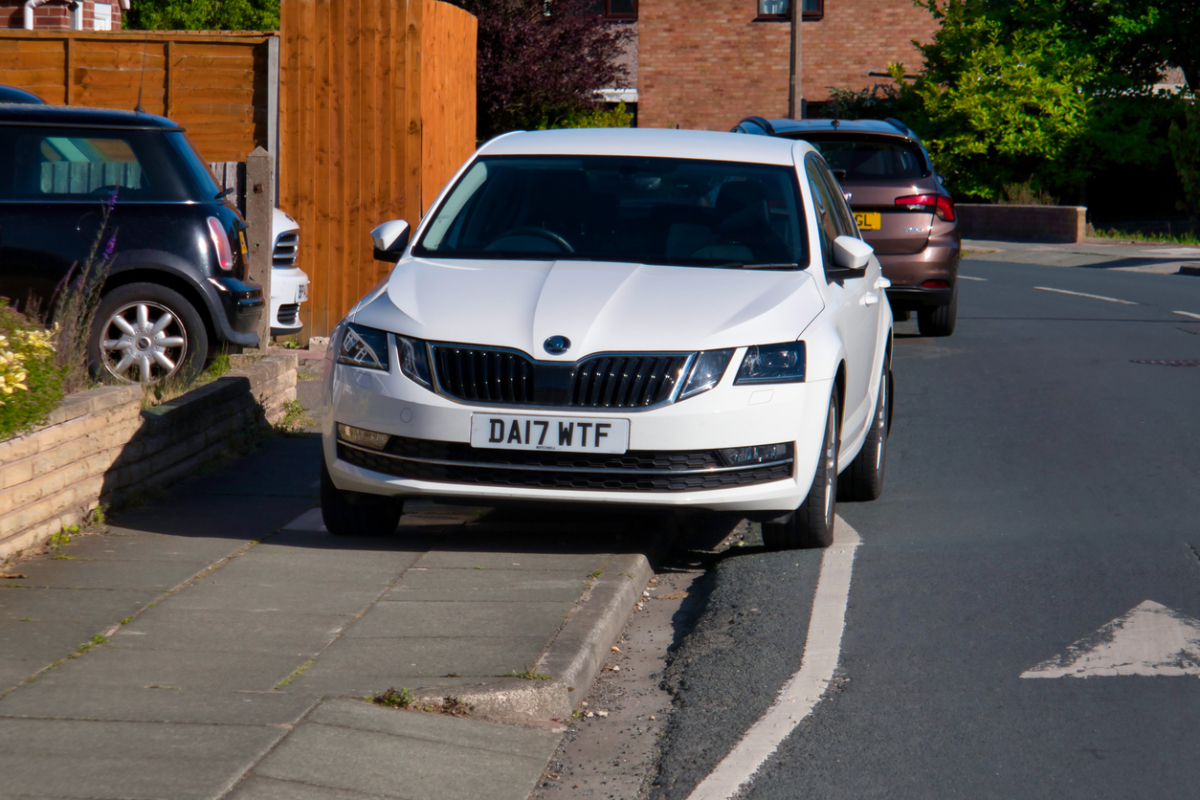
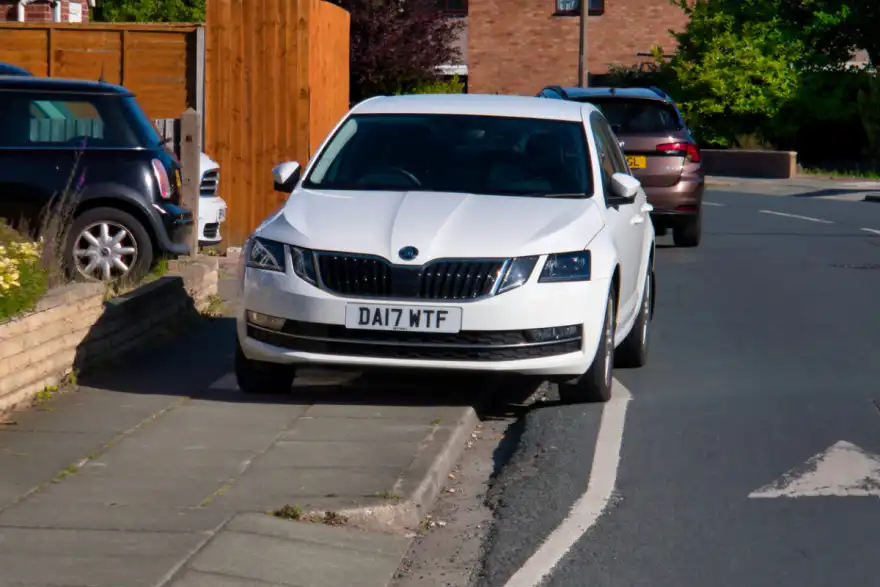
Local councils across the country are about to receive expanded authority to tackle one of Britain's most persistent urban nuisances: vehicles parked on pavements. The Department for Transport has announced that it will equip local authorities with strengthened legal mechanisms to address this widespread problem in their communities.
Streamlining the enforcement process
Previously, councils faced a cumbersome bureaucratic hurdle when attempting to implement pavement parking restrictions. Each street typically required individual applications, a time-consuming process that many critics argued was inefficient and slow-moving. The new framework promises to simplify this significantly, allowing local authorities to take action across broader geographical areas without the same level of red tape.
The Department for Transport has confirmed that these "new and improved legal powers" will grant councils the ability to issue pavement parking fines in Scotland to drivers who create "unnecessary obstruction" by parking on pavements. Notably, the definition of what constitutes unnecessary obstruction will be determined by individual council enforcement officers, giving local areas flexibility in how they apply the rules based on their specific circumstances.
Balancing enforcement with local judgment
Importantly, the new powers preserve local autonomy. Councils will retain the discretion to decide where enforcement should be prioritised, recognising that pavement parking regulations and penalties may occasionally be acceptable in certain contexts. The Department for Transport has also confirmed that implementing these measures won't require extensive new traffic signage infrastructure.
Improving accessibility and safety
Transport Minister Lilian Greenwood emphasised the broader social implications of clearing pavements, noting that accessible walkways are essential for vulnerable road users. "Clear pavements are essential for people to move around safely and independently," she stated, highlighting how unrestricted parking affects parents with pushchairs, wheelchair users, and people with visual impairments.
This point resonates strongly with disability advocates. Andrew Lennox, chief executive of Guide Dogs, welcomed the announcement after years of campaigning on the issue. He stressed that blocked pavements force people with sight loss into dangerous situations, potentially forcing them into traffic they cannot see. Beyond immediate safety concerns, he noted that inaccessible pavements create barriers that prevent people from accessing employment, education, and social opportunities.
The Department for Transport plans to release detailed guidance on how councils should implement these powers proportionately and appropriately later in the year, as part of broader legislative reforms to modernise Britain's road regulations.