TL;DR: Used electric vehicle (EV) mileage clocking has surpassed petrol and diesel car tampering in the UK, with 3% of EVs showing odometer fraud. This trend, driven by drivers avoiding PCP mileage penalties, risks concealing significant EV battery degradation, particularly affecting brands like Kia and Nissan. Drivers must conduct thorough history and battery health checks before purchasing.
Used EV mileage clocking overtakes petrol & diesel: What UK drivers need to know now
As of recent reports, a critical new threat has emerged for UK drivers considering a second-hand electric vehicle (EV). Data indicates that used EV mileage clocking has now surpassed tampering rates seen in traditional petrol and diesel cars, posing significant risks to unsuspecting buyers. This development challenges the perception of EVs as inherently tamper-proof and highlights a growing problem in the used car market.
Key Facts:
- 3% of used electric vehicles in the UK now show evidence of odometer tampering.
- This rate is higher than diesel (2.8%) and petrol (2.5%) vehicles, according to recent vehicle history checks.
- Drivers commonly use 'mileage blockers' costing £200-£900 to hide mileage from finance companies.
- Kia and Nissan EVs currently have the highest clocking rates, at 13.6% and 12.4% respectively.
- The UK government's proposed 3p per mile road tax for EVs by 2028 could further fuel this issue.
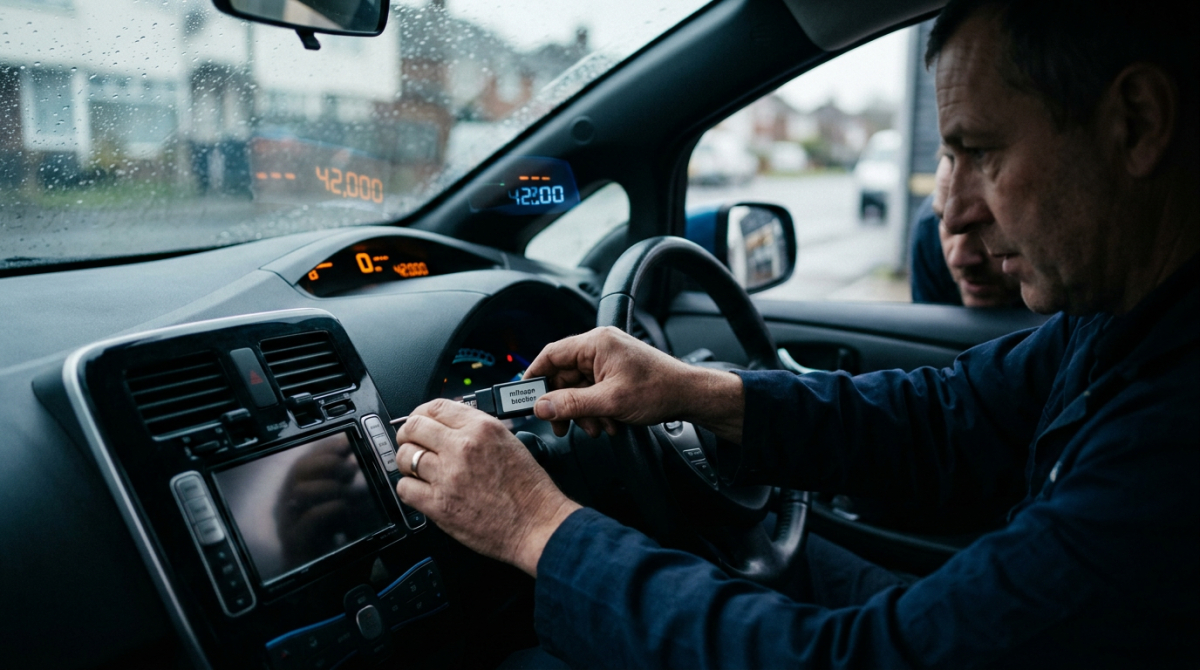
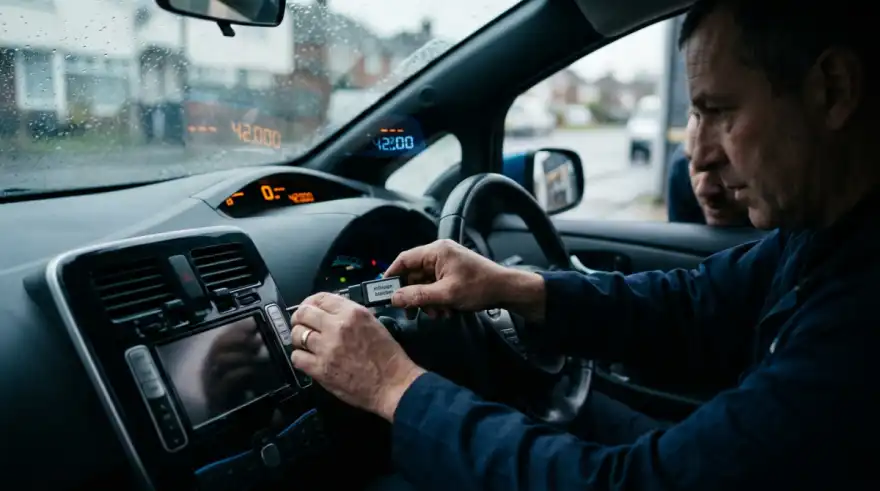
Experts reveal that 3 per cent of electric cars now feature fraudulent odometers. This figure is particularly concerning when compared to diesel vehicles at 2.8% and petrol cars at 2.5%, indicating a worrying shift in fraudulent behaviour. The days of simple mechanical manipulation are long gone; modern fraudsters employ sophisticated digital 'mileage blockers' that effectively pause mileage recording while a vehicle is being driven.
But why are we seeing this surge in odometer tampering with electric cars? The primary driver appears to be the widespread use of Personal Contract Purchase (PCP) or lease deals, which impose strict mileage limits. Exceeding these agreed limits can lead to substantial financial penalties from finance companies. To circumvent these charges, some drivers are investing between £200 and £900 in devices designed to halt the car's digital odometer.
This isn't just about a misleading number on a dashboard. The real danger of used EV mileage clocking lies in its impact on battery health. EV batteries degrade over time and with use. A car with, say, 20,000 hidden miles, a surprisingly common occurrence, could have a battery significantly closer to the end of its useful life than its displayed mileage suggests. This can lead to severe range anxiety and a drastic reduction in resale value for the unwitting buyer.
For UK drivers seeking a second-hand EV, certain brands carry a higher risk. Data currently identifies Kia and Nissan as having the highest likelihood of being clocked, with discrepancy rates of 13.6% and 12.4% respectively. This affects a significant portion of the used EV market. Looking ahead, the government's proposal for a 3p per mile car tax for EVs, slated for 2028, could unfortunately provide even stronger incentives for drivers to hide actual mileage.
So, what can you do to protect yourself? Relying solely on the dashboard reading is no longer sufficient. A professional battery health check is essential to ascertain the true condition of the EV's most critical component.
Additionally, cross-referencing the car's MOT history using Regit's MOT checker is crucial. Any unusual mileage jumps or inconsistencies should be a red flag, prompting you to walk away from the deal. While buying an electric car remains a smart choice for many UK drivers, thorough due diligence is now more important than ever.