TL;DR: Speeding offences in England and Wales have hit a record 2.5 million, marking a 9% rise in just one year. That’s nearly 7,000 drivers caught every single day. Over half of those caught were offered a speed awareness course instead of receiving points or a fine.
Key Facts
- 2.5 million: Record number of speeding offences across England and Wales last year.
- 9%: Year-on-year increase in drivers penalised for speeding.
- 51%: Drivers offered speed awareness training instead of a fine or points.
- 86%: Share of all motoring offences now made up by speeding alone.
- IAM RoadSmart: Road safety charity warning dangerous habits are becoming “normalised.”
UK speeding offences hit record high of 2.5 million
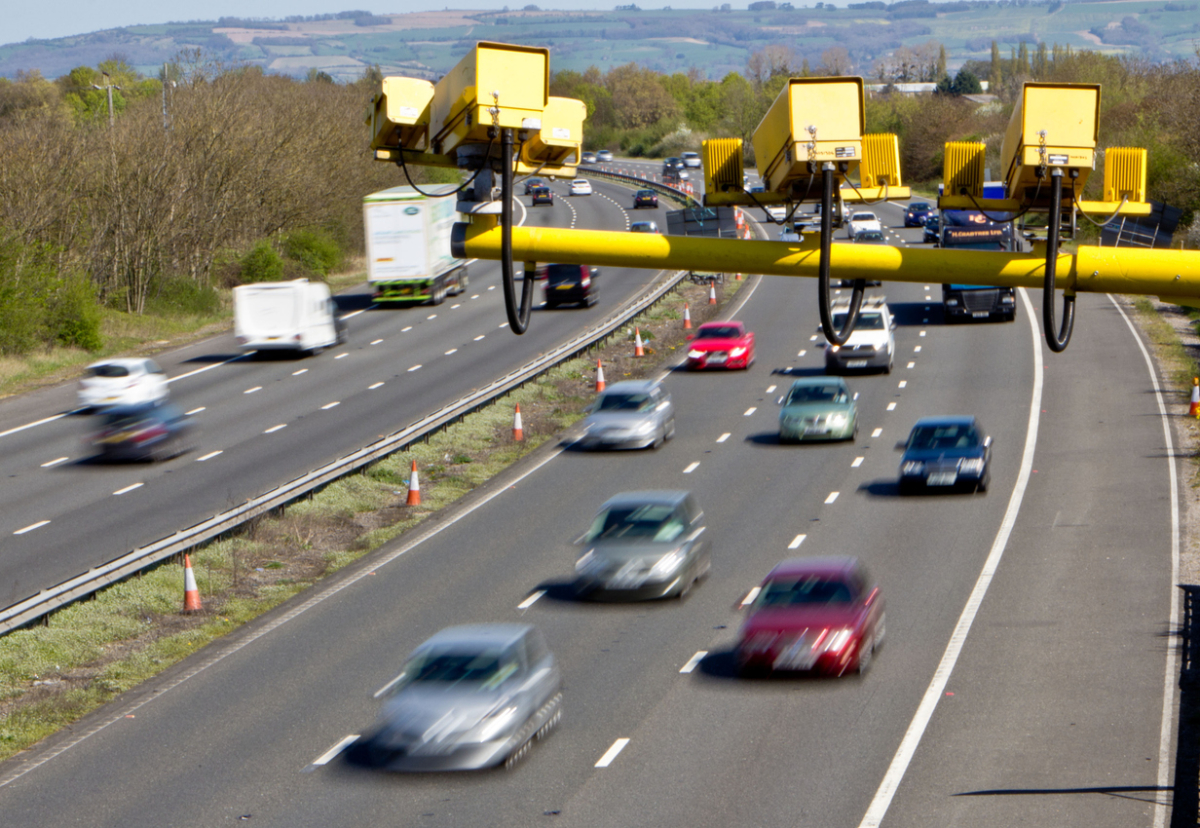
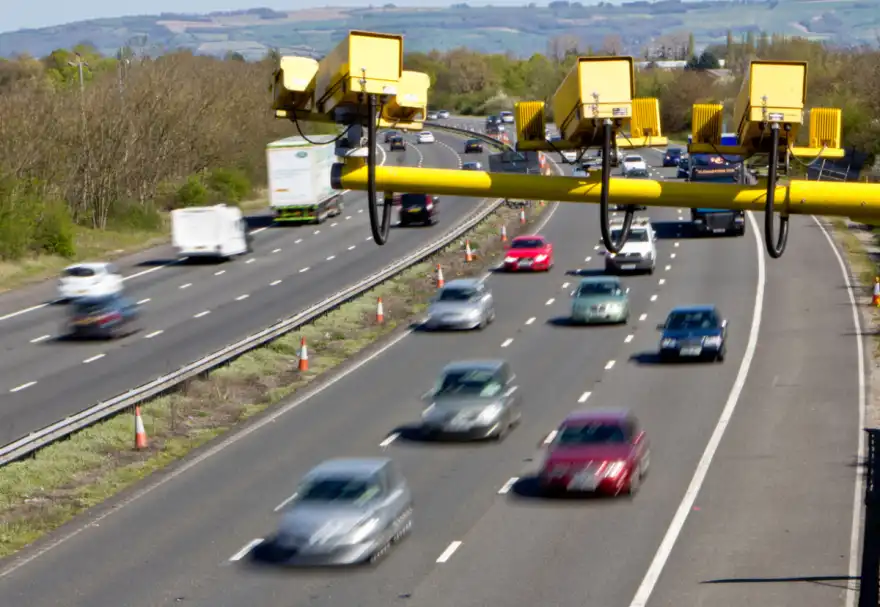
More UK drivers are being caught speeding than ever before. According to the latest Home Office figures, 2.5 million speeding offences were recorded in 2024 - the highest total ever. That’s a 9% increase year-on-year, meaning around 6,800 drivers are penalised every single day across England and Wales.
What these numbers mean for UK drivers
Speeding now accounts for a staggering 86% of all motoring offences, with total driving-related penalties nearing the three million mark. This sharp increase suggests that both enforcement and detection technology are improving – but safety experts believe there’s more to it than just better policing. And it’s only getting harder to spot the cameras: London’s new ‘stealth’ speed cameras use 4D radar with no flash or road lines, making enforcement even stealthier.
Groups like IAM RoadSmart argue that risky driving behaviour is becoming worryingly normalised, raising fresh concerns about how UK motorists approach safety behind the wheel.
Speed awareness courses vs fines: What you need to know
If you’ve ever seen that dreaded camera flash, it doesn’t necessarily mean points on your licence. Over half of drivers caught speeding (51%) were instead offered a speed awareness course – aimed at improving road safety knowledge and decision-making.
However, many still faced a Fixed Penalty Notice, and around 12% of cases were serious enough to end up in court. With the government tightening rules on driver behaviour, from speeding to new vehicle-related fines such as fly-tipping crackdowns expected by 2026, keeping your licence clean has never been more important.
It’s not just speeding: Other offences on the rise
Speeding might top the list, but other bad driving habits are on the up too. Non-speeding offences rose by 7% last year, taking the total to almost 400,000 cases.
Among these, more than 40,000 drivers were caught using their phone at the wheel. Others were penalised for ignoring traffic signs, lacking insurance, or driving vehicles that weren’t fully compliant with tax or MOT regulations. Check your MOT status for free with Regit to stay one step ahead and avoid fines.
Drink driving: Police crackdowns peak at Christmas
The Home Office report also tracks drink driving enforcement, revealing that police carried out over 167,000 breath tests last year. Unsurprisingly, December was the busiest month, with 25,000 tests during the Christmas and New Year crackdown, followed by a smaller spike in August.
Experts warn: Driver behaviour needs a rethink
Road safety experts are calling for urgent action to tackle what they describe as a “growing complacency” on UK roads. IAM RoadSmart’s William Porter, Head of Policy and Public Affairs, says the alarming rise in offences shows the need for a balance between education and enforcement.
His message to drivers is simple: slowing down, staying informed, and driving responsibly are the best ways to avoid becoming another statistic.