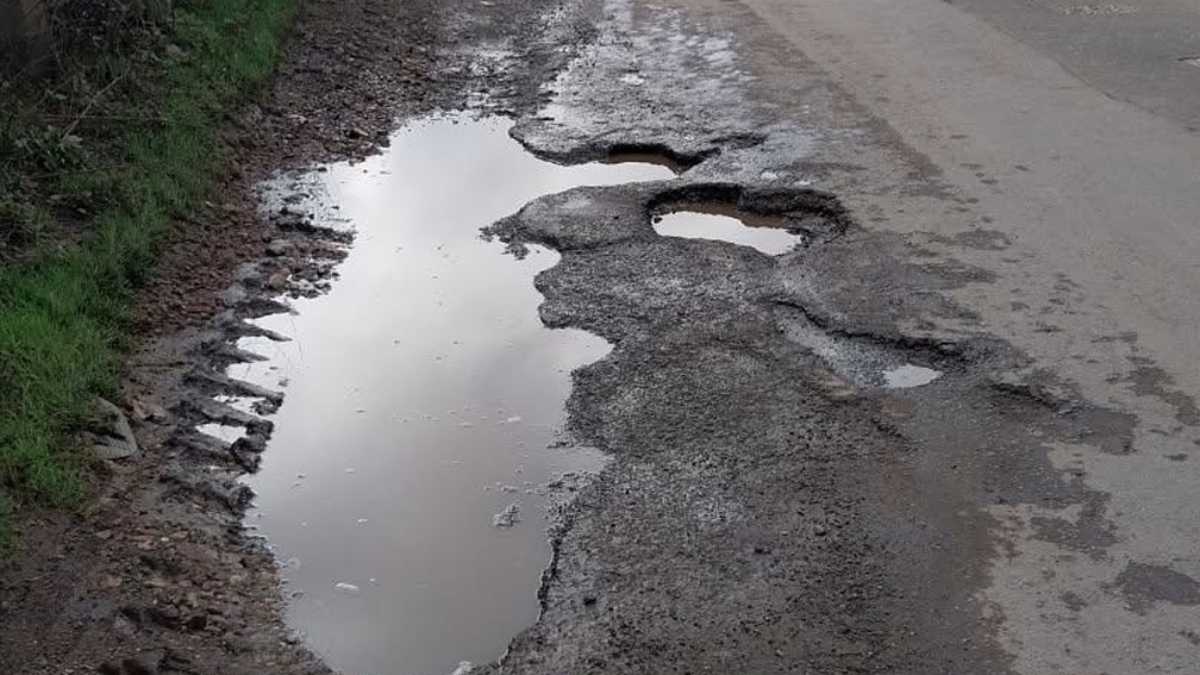
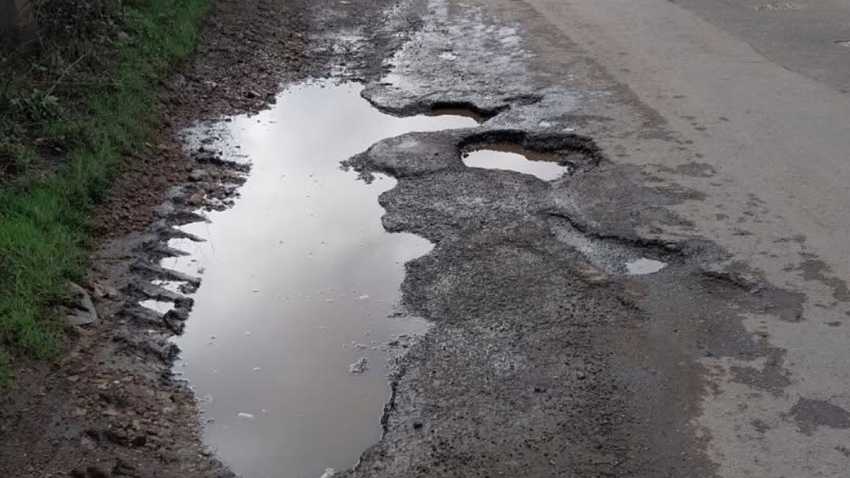
Cambridgeshire County Council received 127 complaints about the state of North Brink, a Fenland road running alongside the River Nene in Wisbech, before a crash there on 17 March 2026 killed two teenagers, an inquest has heard. A survey four days before the crash had found 98 potholes along the road, but the coroner also heard that 18-year-old driver Declan Berry was doing around 90mph in a 60mph limit when his Volkswagen Polo hit a pothole, left the road and rolled into the river.
Declan and 16-year-old Eden Bunn, from Sutton Bridge in Lincolnshire, both died, while the three other teenagers in the car got out. The hearings in September put the blame mainly on speed, but they also raised an awkward question about how long a road can gather complaints before it's fixed, and that question applies to the road outside your house as much as to one in the Fens.
What the North Brink inquest found
Area coroner Elizabeth Gray concluded that Declan died as a result of excessive speed, and that "prevailing road conditions more than minimally contributed to his death", as Hello Rayo reported. At Eden's inquest she said speed was the primary cause of the crash, and that the car had struck a defect in the road surface.
The police collision report reached the same view. It found that the speed left Declan less time to react to the bends and the potholes and made the rollover more severe, while the road's crumbling edges and uneven surface also played a part. A passenger told police they'd asked Declan to slow down moments before the crash, and investigators found nothing wrong with the car and no sign that the weather was a factor.
127 complaints and 98 potholes on North Brink
The court heard that the 127 complaints about North Brink were mainly about mud on the road as well as potholes, which won't surprise anyone who drives Fenland roads shared with farm traffic. The survey four days before the crash counted 98 potholes, and the inquest heard that around three weeks of repairs were due to start on the road just days before the collision. Photos published this week show potholes on North Brink still marked up for repair.
Cambridgeshire, which has had a Liberal Democrat majority since May 2025, says it spent a record £73 million on its roads in 2025/26, and that the peat soil under much of the Fens makes some roads more expensive to keep in shape. Its highways chair, Cllr Alex Beckett, said in January that "after decades of underinvestment we know there is more to do".
How is your council rated for potholes?
The Department for Transport now rates every council in England red, amber or green on the condition of its roads and how well it spends its maintenance money, and Cambridgeshire was rated amber when the first ratings came out in January. You can look up how your own council did on the DfT's local road maintenance ratings map.
Why reporting a pothole matters
This is the part that applies to every driver, because a council can turn down a pothole damage claim under section 58 of the Highways Act 1980 if it can show it took reasonable care of the road. Whether the council knew about the hole, or ought to have known, is a big part of that, so a pothole nobody has reported is much easier for a council to defend than one with a string of complaints behind it.
Cambridgeshire says it fixed 52,229 potholes in 2024/25 and received 16,371 pothole reports from residents, and every one of those reports put a defect on the council's record between inspections. You can report a pothole on your council's website or through FixMyStreet, while motorways and major A-roads in England are looked after by National Highways instead.
How to claim for pothole damage
If a pothole damages your car, photograph it when it's safe to do so, with something in shot to show the depth, note exactly where it is, and keep any repair receipts or quotes before you claim from the council that runs the road. If it says no, you can ask for its inspection records to check whether it stuck to its own schedule, which is often where a rejected claim is won or lost. You can claim on your own insurance instead, but you'll pay the excess and your premium may go up.
Speed decides how hard a pothole hits
The investigators were clear that a lower speed would have given Declan more time to react and made the crash less severe, and that's true of every pothole on every road. On a rural road with crumbling edges, easing off gives you time to steer round the hole you can see and makes the one you can't see far less likely to throw the car off line.
A deep pothole can damage tyres, wheels and suspension in ways you won't always spot, so add your car to Regit's free Digital Garage and you'll get a reminder before its next MOT, when a tester will look it over properly.
Our verdict
Speed was the main reason Declan and Eden died, and the inquest said so plainly, but a road that drew 127 complaints and had 98 potholes counted four days before the crash should never have been left in that state. The clearest lesson for the rest of us is to report every bad pothole we drive over, because a report on the record is what pushes a council to fix it and what makes it pay when it doesn't.