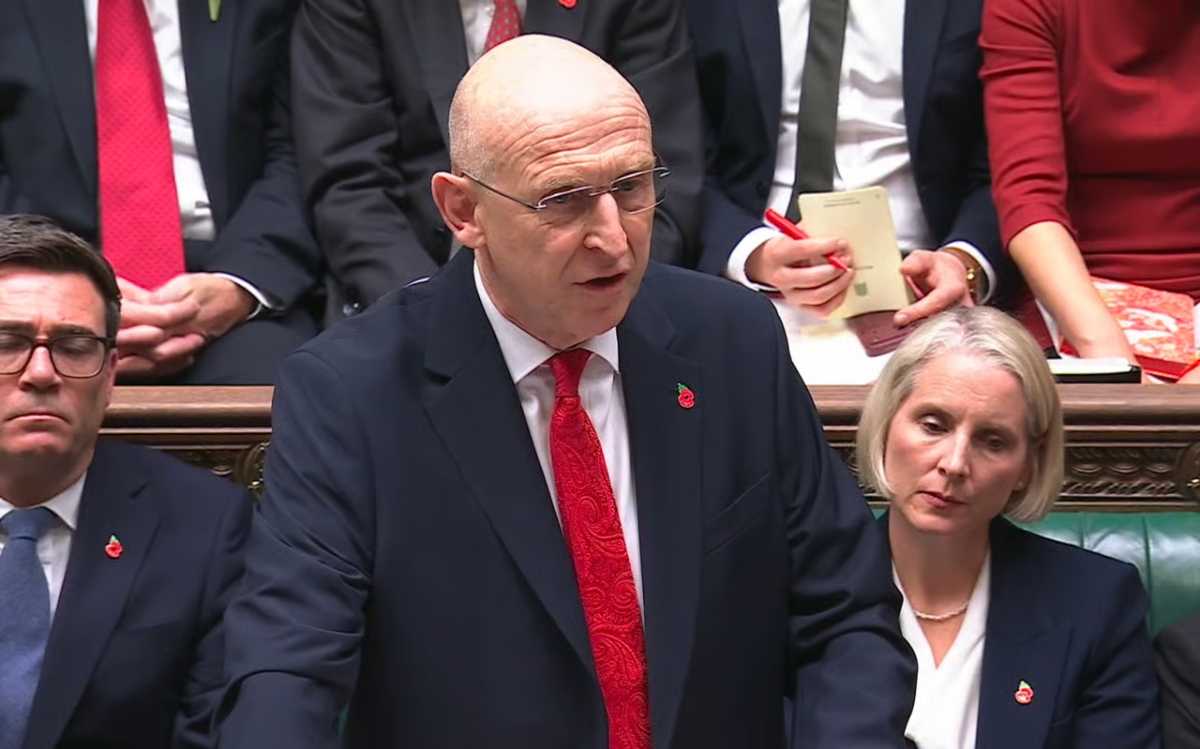
Chancellor John Healey used today’s Budget (Wednesday 28 October 2026) to extend the 5p cut in fuel duty until July 2027, so the duty on a litre of petrol or diesel stays at 52.95p for another six months instead of starting to climb back towards 57.95p in January. For a Nissan Qashqai, one of Britain’s best-selling family SUVs, that’s worth about £3.30 every time you fill the tank once VAT is counted, or roughly £19 between January and the end of June if you cover 7,000 miles a year. People who use their own car for work did better, because the tax-free mileage rate stays at 55p and the rate above 10,000 miles is going up to 35p.
Is fuel duty going up in 2027?
Yes, but later
than planned. Before today duty was due to rise by 3p on 1 January 2027 and by
another 2p on 1 March, which would have put the whole 5p back on before Easter.
Yesterday, we predicted what would happen in the Autumn Budget, and now it's been confirmed that the full cut stays in
place until 1 July 2027, when the 5p is due to come back and the
inflation-linked rise that has been put off for more than a decade is due to
kick in as well.
Healey pointed to the war in the Middle East, which has pushed unleaded to an average of about 173.5p a litre and diesel close to £2, and pitched the extension as help for households, hauliers and farmers. The Treasury reckons its fuel duty decisions in this Parliament will have saved the average car driver £230 compared with the previous government’s plans, and the 5p that Rishi Sunak brought in as a one-year stopgap in March 2022 has now lasted more than five years.
The trouble is the size of the hole it’s trying to fill. The RAC says unleaded has gone up by 42p a litre and diesel by 57.6p since the conflict began in late February, so the 5p (about 6p at the pump once VAT is counted) covers only around a seventh of the rise in petrol prices this year.
How much does the fuel duty cut save you?
Every penny of duty becomes about 1.2p at the pump, because VAT at 20% is charged on top of it, so the full 5p is worth around 6p a litre to you. We’ve worked out what that means for two of the most popular cars on British roads, using their official economy figures. Real-world economy is usually a bit worse, so your saving may be slightly bigger.
A Nissan Qashqai 1.3 DiG-T mild hybrid has a 55-litre tank and an official 43.5mpg, so once the full 5p would have applied in March you’re saving £3.30 a fill. Over January to June, a driver doing 7,000 miles a year would burn about 366 litres and save about £19 against the rises that had been pencilled in (a little less in January and February, when only 3p would have been added).
A Ford Puma 1.0 EcoBoost mild hybrid has a smaller 42-litre tank and does a claimed 52.3mpg, so the saving is £2.52 a tank and about £16 over the six months. If you’re a high-mileage driver covering 15,000 miles a year in a Qashqai, it adds up to about £41.
It’s pocket money, and the catch is that the 5p comes back on 1 July 2027, which is just in time for the drive to the summer holiday. We’d plan on prices at the pump going up by around 6p a litre that week unless oil prices have fallen by then.
Did the Budget do enough for drivers?
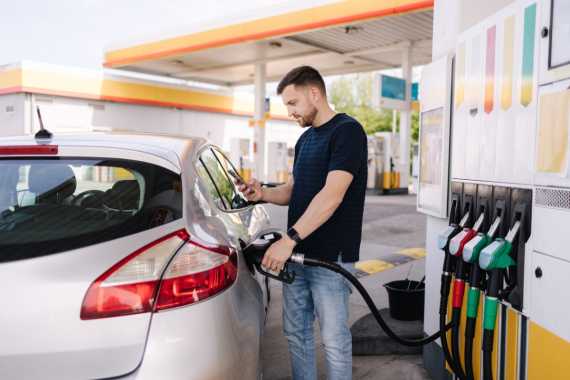
We don’t think so. Fill a Qashqai today and you’re paying about £23 a tank more than you were in February, and the Budget gives you £3.30 of it back. Healey had bigger levers and chose to leave them alone, since the RAC says he turned down calls to cut VAT on petrol and diesel, the Liberal Democrats had asked for a 10p cut in duty, and VAT on public charging stays at 20% even though the VAT on home electricity has been cut to nothing.
It doesn’t help that the government’s last big idea for pump prices was the Prime Minister, Andy Burnham, announcing on 8 October that fuel prices now show up on Google Maps through the government’s Fuel Finder scheme. Being able to compare prices is useful, and we’d always rather you paid less, but ministers’ own estimate puts the saving at about £40 a year for a household with a car, and a 10-mile detour to save a penny or two a litre can cost you more than it saves. Burnham himself conceded it was no silver bullet, which didn’t stop it being compared with John Major’s cones hotline.
Regit’s founder and chief executive Chris Ashton-Green said,
“Five pence off for another six months is a tiny saving when petrol has gone up by more than 40p a litre this year, and the Chancellor had plenty of bigger levers he chose not to pull, from VAT on fuel to the cost of public charging. “Coming three weeks after the Prime Minister’s bizaree PR stunt of telling drivers where petrol might be a penny or two cheaper down the road, it’s a kick in the teeth for the motorist.
Drivers need pump prices to come down, and a map showing how expensive fuel is everywhere and very minor relief on fuel duty does nothing about that.”.
HMRC mileage rates after the Budget
This is where the Budget is worth real money to some drivers. The approved mileage rate, which is what your employer can pay you tax-free for using your own car on work trips, sat at 45p a mile for 15 years until it went up to 55p in the spring (backdated to 6 April 2026). The government has now confirmed the 55p rate stays, and the rate for every business mile above 10,000 a year is due to rise from 25p to 35p from 6 April 2027.
The Treasury reckons around three million people benefit, by about £120 a year at 6,000 business miles and £300 at 15,000, and our sums agree. At 15,000 business miles the tax-free allowance goes from £5,750 under the old rates to £7,250, which is £1,500 more you can be paid without tax, worth £300 to a basic-rate taxpayer and £600 to someone paying 40%. The self-employed get the same rates through simplified expenses.
The thing to know is that your employer doesn’t have to pay 55p. If they pay less, you can claim tax relief from HMRC on the difference (it’s called Mileage Allowance Relief), and plenty of people never do.
Does the Budget change car tax or company car tax?
We can’t see any change in the speech or the reporting so far, and we’ll update this page once we’ve been through the full Budget documents. Road tax (VED) rates and the Expensive Car Supplement, which electric cars only pay if they cost more than £50,000 from this April, carry on as already planned.
Company car tax for electric cars was already set to rise from 4% this year to 5% in April 2027, 7% in 2028 and 9% in 2029, and petrol and diesel rates go up by a point or two a year over the same period, so a company car driver’s bill still keeps creeping up even in a year when the Chancellor leaves it alone.
Pay-per-mile tax for electric cars in 2028
The 3p-a-mile charge for electric cars (and 1.5p for plug-in hybrids), which was confirmed in last year’s Budget, is still due to start in April 2028 on top of normal road tax. Autotrader’s Ian Plummer was quick to point out that the government is still planning it.
The one crumb for EV drivers is £100m over 2027-28 and 2028-29 to bring down prices at local, lower-powered public chargers, starting in spring 2027, which the government says should save a driver who relies on on-street charging about £150 a year. The details of who qualifies and how it works haven’t been published yet, and VAT on public charging stays at 20%, so if you can charge at home this does nothing for you.
At 7,000 miles a year it would cost an electric car driver £210, and it’s worth putting that next to the Qashqai, whose driver pays about £387 a year in fuel duty at the same mileage, or about £465 once the VAT on that duty is added. So the EV still comes out cheaper, though the gap is closing.
If you’re trying to work out what you’ll be paying when the 2028 changes land, the first step is knowing your current band, and you can check your car’s tax with Regit to see your rate and renewal date from the number plate.
Our verdict on Budget 2026 for drivers
For most drivers this Budget is a let-down. Keeping the 5p off for six more months is worth £16 to £41 depending on what you drive and how far, against the £20-plus a tank that fuel has gone up since February, and the whole lot comes back on 1 July 2027. The only real help is for the three million or so people who drive their own car for work, so if that’s you, check what your employer pays from April and claim the difference if it’s under the new rates. Electric car drivers are the ones who should feel short-changed, because the pay-per-mile charge is still coming and nothing in today’s Budget eases it.