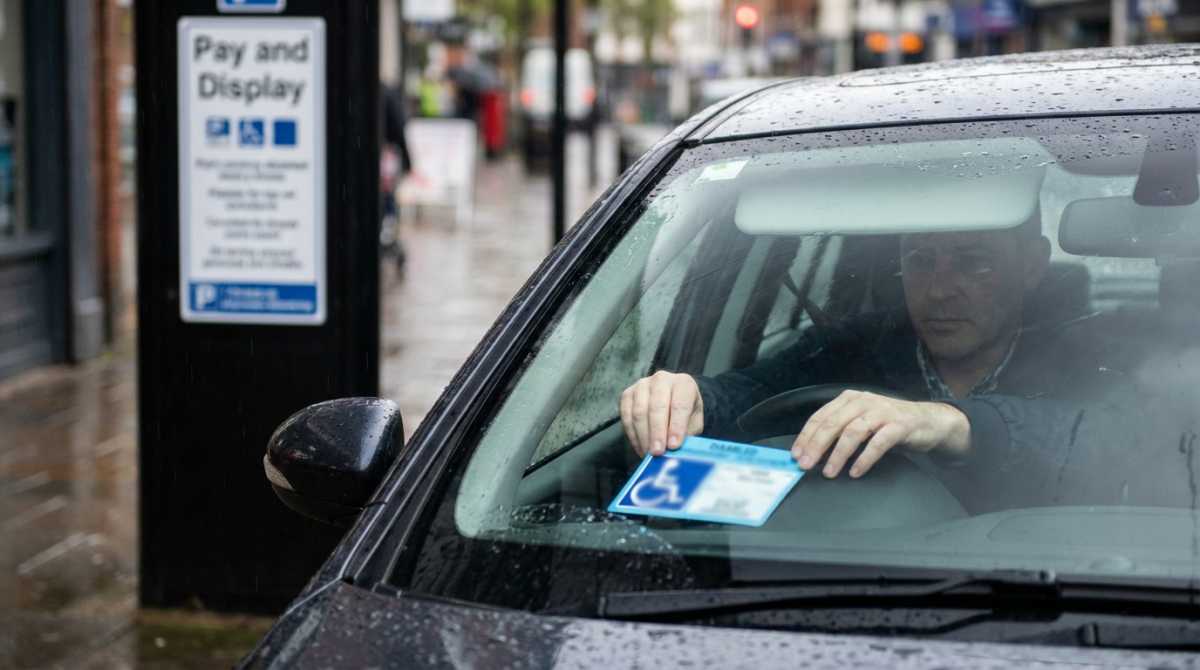
A record 3.07 million Blue Badges are now in use across England, but the surge has triggered urgent warnings about widespread fraud and misuse. The AA estimates that illegal use costs the UK around £46 million every year, prompting local councils to ramp up enforcement and take offenders to court.
Record 3.07m blue badges spark fraud warning for UK drivers
Key facts
- 3.07 million: The record number of Blue Badge holders in England, according to the latest Department for Transport statistics.
- £46 million: Estimated annual cost of Blue Badge fraud to the UK economy (source: AA).
- 8%: Year‑on‑year rise in Blue Badge numbers, driven by rule changes.
- 2019: The year disabled parking eligibility expanded to include non‑visible or ‘hidden’ disabilities.
- £18: Daily savings on the London Congestion Charge for Blue Badge holders – a financial incentive that fuels misuse.
England now has more Blue Badge holders than ever before – 3.07 million in total. While that’s welcome news for accessibility, it’s also causing serious concern among UK drivers and councils over rampant permit fraud.
Around 5.2% of England’s population now holds a Blue Badge, though rates vary across regions, climbing to 6.1% in the North East, and just 3.5% in London, where spaces are at a premium.
So what’s driving the surge? Much of it goes back to a crucial 2019 rule change, when eligibility expanded to include people with non‑visible conditions such as dementia, Parkinson’s, and severe mental health issues. The move opened essential access to thousands who genuinely need it, but it also exposed the scheme to greater misuse, as badges are now easier to obtain and harder to verify at a glance.
The hidden cost of blue badge fraud
The AA warns that as many as 1 in 5 Blue Badges seen in use could be fraudulent. Misuse isn’t just inconsiderate; it’s a criminal offence.
Using a relative’s badge without them present, displaying an expired permit, or producing a counterfeit badge can all lead to prosecution. Offenders face court‑imposed fines, legal costs, and even criminal records that last for years – far more serious than a standard parking ticket.
Recent cases show councils are stepping up enforcement. Croydon Council alone prosecuted seven drivers for Blue Badge misuse, handing down fines and costs totalling almost £6,000. It’s part of a national push to protect spaces for genuine Blue Badge users.
Why fraud hurts genuine drivers
Each time a parking space is taken illegally, someone with a genuine disability may lose access to vital shops, healthcare, or work. For those who rely on accessible parking, that loss isn’t just frustrating; it can be life‑limiting.
In London, the financial incentive adds another layer of temptation. With the Congestion Charge exemption saving £18 per day, bad actors see an easy shortcut. But councils are cracking down hard, and the consequences are simply not worth the risk.
What you can do
If you suspect misuse of a Blue Badge, you can report it directly to your local council’s enforcement team. They have the power to investigate and prosecute.
However, be mindful that the rule expansion for hidden disabilities means some legitimate users may not appear visibly disabled. It’s best to avoid assumptions; focus instead on clear, undeniable misuse, such as counterfeit documents or badges being used without the holder present.
For legitimate users, the national crackdown offers reassurance. Authorities are more determined than ever to protect the scheme, so those who depend on Blue Badges for daily mobility can continue using them safely and fairly.
You can also read about other UK driving laws and accessibility changes, such as how London’s Congestion Charge exemptions work or recent updates to motability.