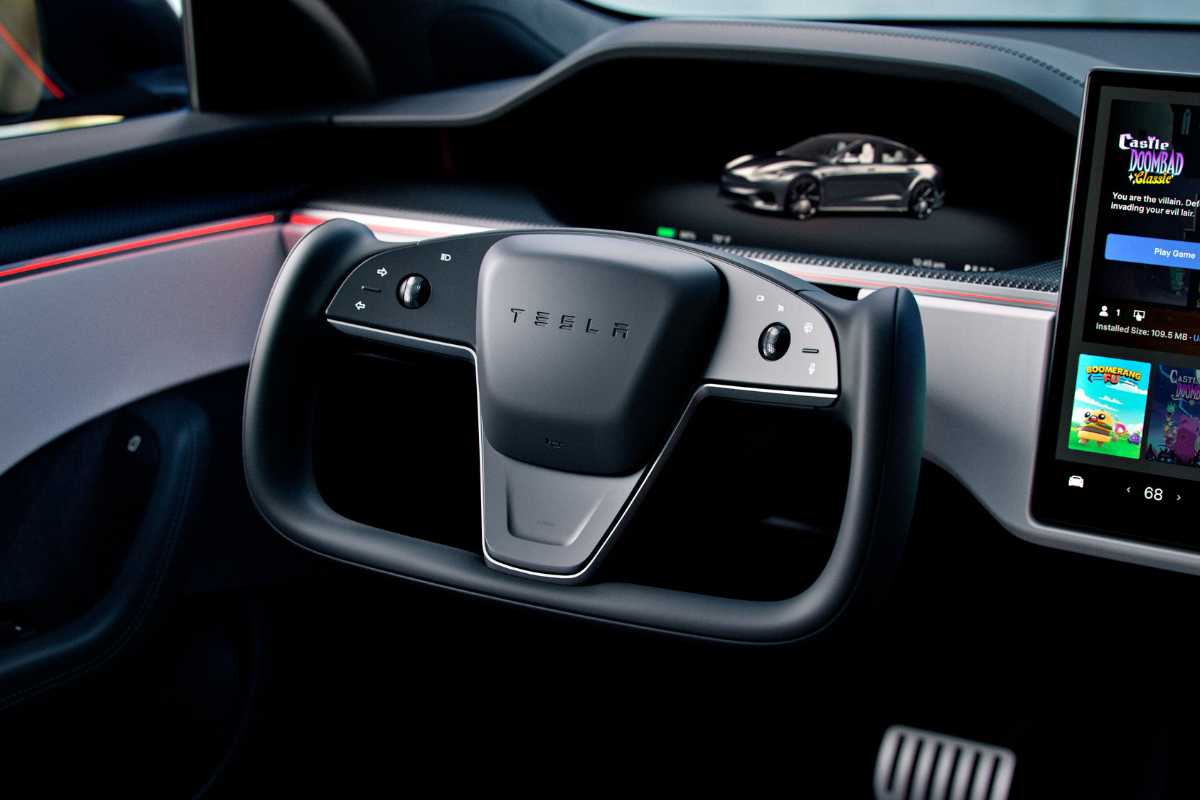
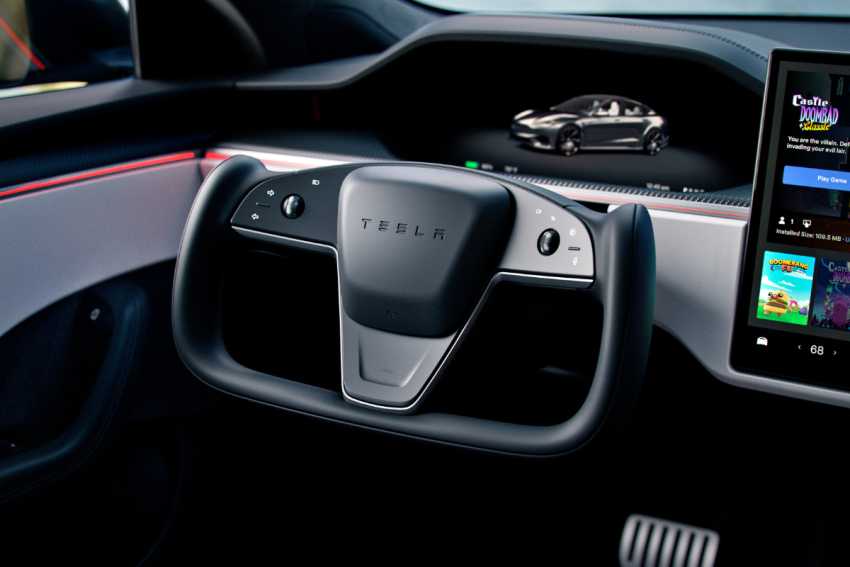
TL;DR: China is set to ban controversial 'yoke' style steering wheels and pop-out electronic door handles, with new rules taking effect from 1 January 2026. The MIIT car safety regulations cite major safety failures in crash tests and the risk of occupants being trapped after a vehicle loses power, a move that could have a knock-on effect on car design in the UK.
A major safety overhaul in the world's largest car market is poised to kill off two of the most futuristic design trends in modern vehicles. As of a recent announcement, China's Ministry of Industry and Information Technology (MIIT) is implementing a ban on yoke-style steering wheels and flush, electronic pop-out door handles.
The new regulations, part of the updated GB 11557-202X national standard, will become mandatory from 1 January 2027, forcing a significant rethink for several global car manufacturers.
So, what's the real reason behind the China yoke steering wheel ban?
According to regulators, it comes down to fundamental safety principles during a collision. The new standard mandates that a steering wheel must pass a demanding 10-point impact test designed to protect the driver.
Because a yoke is missing its upper rim, it presents a significantly smaller surface area. This lack of structure means it cannot adequately cushion a driver's head or chest in a serious frontal impact, increasing the risk of severe injury from contact with the steering column. Safety experts have long questioned whether the aesthetic was worth the potential trade-off in occupant protection.
This move directly affects brands that have championed these designs. Tesla, which popularised the yoke in its high-end Model S and Model X, will now be forced to revert to conventional steering wheels for the Chinese market. The ban also impacts luxury players like Lexus, whose own yoke in the Lexus RZ was designed to showcase its advanced steer-by-wire technology safety features.
But the crackdown doesn't stop at the steering wheel. The MIIT car safety regulations are also targeting the sleek, pop-out door handles common on many electric vehicles. Following concerns and real-world incidents where occupants became trapped after a crash caused a total power loss, the rules are being tightened.
Under the new mandate, the mechanical emergency door release rules require every car under 3.5 tonnes to have a physical way to open the doors from the inside. This means a manual lever or handle that functions independently of the car’s electronic systems must be present, ensuring a reliable escape route in an emergency.
What does this mean for car buyers here in the UK?
While these are Chinese regulations, their influence is global. Manufacturers aim for standardised production lines to save costs, meaning a design change for the world's biggest market often becomes the new global standard. The potential UK impact on models like the Lexus RZ with its yoke steering could be significant.
It's a clear signal from regulators that fundamental safety cannot be compromised for futuristic styling. For anyone following the latest in car design, this represents a major pivot back towards proven, common-sense engineering over purely aesthetic trends.