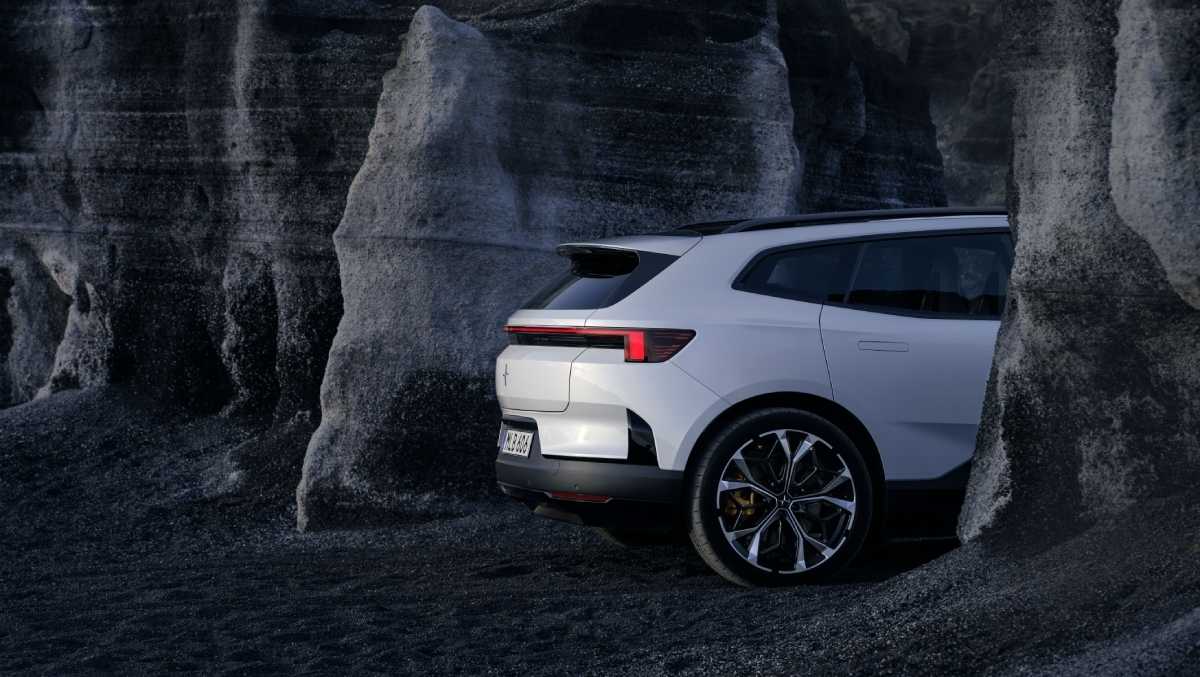
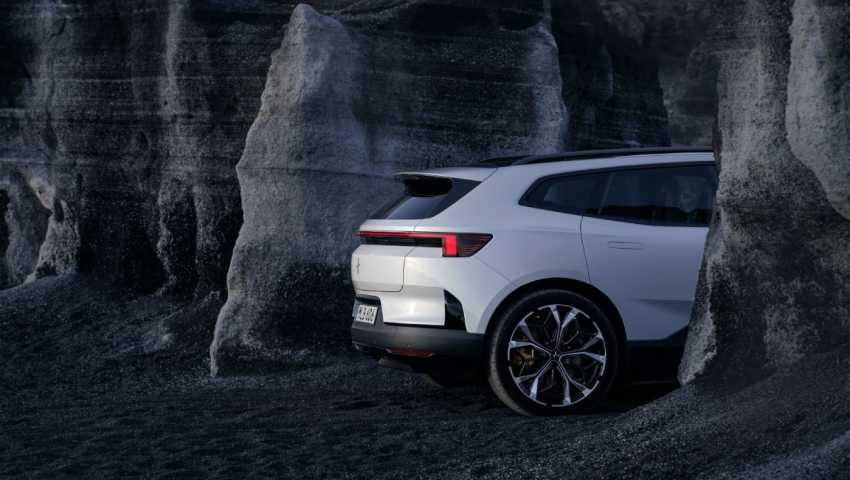
The new Polestar 4 SUV addresses two of the biggest criticisms of the existing Polestar 4: its unusual lack of a rear window and its relatively high price.
Priced from £54,750, the SUV is £2,000 cheaper than the equivalent Polestar 4 coupe. It also offers more boot space, greater rear headroom and, perhaps most significantly, restores a conventional rear window.
For UK drivers considering a premium electric SUV, that makes the new model a more practical proposition. But there are still compromises, particularly when it comes to charging speed and outright range compared with some newer rivals.
What is the Polestar 4 SUV?
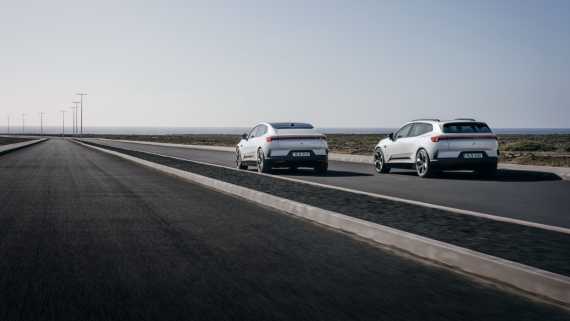
The Polestar 4 SUV uses the same underlying electric vehicle architecture as the existing Polestar 4, but replaces its sleek coupe-like body with a squarer design.
That change has a practical purpose. The conventional rear end creates more room inside the cabin and increases luggage capacity, while the return of a rear window means drivers can use a normal rear-view mirror rather than relying solely on a camera system.
Polestar will still offer the digital rear-view camera, however. It is positioned beneath the rear spoiler and can be kept clean using the rear wiper. That could be useful when passengers or luggage make the physical rear view less effective.
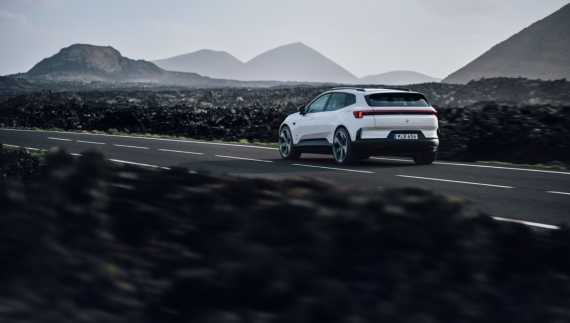
The new body also retains a relatively flat roofline, helping the SUV maintain its aerodynamic profile rather than adopting the more upright shape associated with some conventional SUVs.
The range starts with the Rear Motor model, while a Dual Motor version provides greater performance. A 536bhp Performance model is due to follow next year.
How much range does the Polestar 4 SUV have?
The Polestar 4 SUV uses a 100kWh battery and has a claimed range of up to:
- 391 miles for the Rear Motor version
- 373 miles for the Dual Motor version
That represents a six-mile improvement over the equivalent Polestar 4 coupe.
However, claimed range should always be treated as a guide rather than a guarantee. UK motorway speeds, cold weather, heavy rain, heating use and low temperatures can all reduce the distance an EV travels between charges.
The SUV also falls behind some of its newer competitors on charging performance. Its maximum DC rapid-charging rate is 200kW, whereas the BMW iX3 can accept up to twice that figure.
For drivers who regularly undertake long motorway journeys, charging speed can be just as important as headline range. A car that can add hundreds of miles of range quickly may be more convenient on a long trip than one with a slightly larger theoretical range but slower charging.
Is the Polestar 4 SUV more practical than the coupe?
This is arguably the biggest reason to choose the SUV.
Boot capacity rises to 530 litres, an increase of 30 litres over the coupe. That is a relatively modest increase on paper, but the squarer rear body and additional cabin space should make the vehicle easier to use for everyday family duties.
With the rear seats folded, total cargo capacity rises to 1,665 litres, including the 15-litre front boot.
That gives the Polestar 4 SUV more luggage capacity than the BMW and Volvo alternatives highlighted by Polestar, although the BMW iX3 still offers more maximum cargo space.
The return of the rear window could also make a meaningful difference for everyday driving. Some motorists may welcome the familiarity and natural depth perception of a conventional rear-view mirror, particularly when manoeuvring, parking or driving on busy roads.
How much does the Polestar 4 SUV cost?
The entry-level Polestar 4 SUV starts at £54,750, making it £2,000 cheaper than the equivalent coupe.
The Dual Motor version costs £60,750, while models fitted with the Performance Pack are priced from £68,250.
That makes the pricing worth examining carefully rather than simply focusing on the headline £2,000 saving.
For example, the £6,000 step from the Rear Motor to the Dual Motor model is significant. Buyers should consider whether the additional performance and four-wheel-drive capability justify the extra cost for their driving needs.
For company-car users, the tax position of an EV can also be important, although the precise benefit-in-kind cost depends on the driver's circumstances and the applicable tax rates.
Is the Polestar 4 SUV worth considering?
The Polestar 4 SUV looks like a more rounded proposition than the coupe.
It retains the distinctive design and electric performance of the original while addressing some of the practical compromises. More boot space, additional rear headroom, a conventional rear window and a lower starting price should broaden its appeal to families and drivers who want an EV that can cope with everyday life.
Its claimed 391-mile range is competitive, although not class-leading, and its 200kW maximum rapid-charging rate is becoming less impressive as newer electric cars arrive with substantially faster charging capability.
Polestar has also upgraded the 15.4-inch infotainment system, including a more customisable home screen and Google Gemini AI integration for voice commands. Existing Polestar 4 coupe owners are due to receive the software improvements through over-the-air updates, so the new technology is not necessarily a reason to replace an existing car.
For buyers choosing between the two body styles, the SUV appears to be the more sensible option. It costs less, carries more and restores a feature many drivers would expect to find on a car costing more than £50,000.
The more important question for buyers, however, is whether its combination of range, charging performance and price represents better value than the growing number of electric SUVs now competing for the same money.