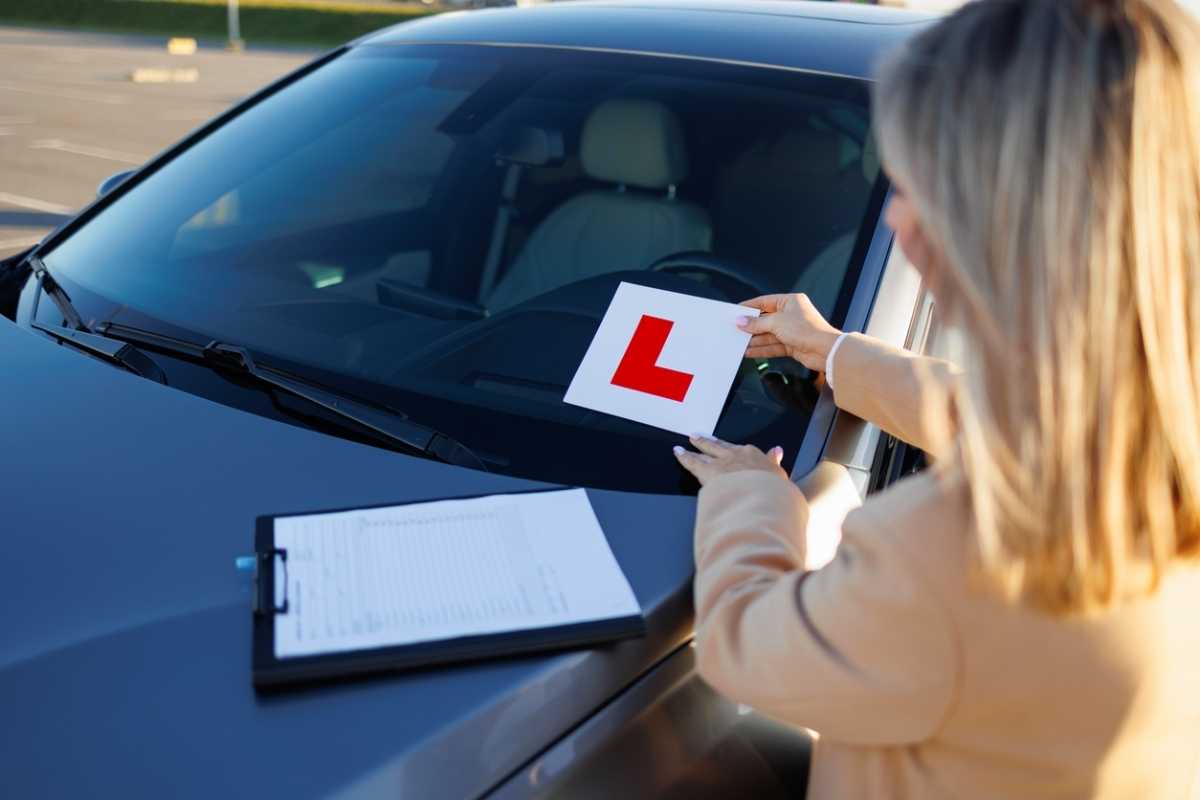
Learner drivers in parts of Britain are facing waits of more than four months to take their driving test, with some centres seeing delays stretch to almost seven months.
New figures from the Driver and Vehicle Standards Agency (DVSA) show that 60 test centres had a median waiting time of 17.3 weeks or more in June.
That means half of learners at those centres waited longer than 17.3 weeks between booking their test and taking it.
The worst delays were recorded in Scotland, with Forfar in Angus topping the list at 29.7 weeks – almost seven months.
Arbroath was next at 27 weeks, while Bedford had the longest wait in England at 25.1 weeks.
The worst driving test centres for waiting times
| Test Centre | June 2026 | June 2019 | Increase |
| Forfar, Scotland | 29.7 weeks | 8 weeks | +21.7 weeks |
| Arbroath, Scotland | 27 weeks | 13.4 weeks | +17.5 weeks |
| Bedford, England | 25.1 weeks6 | 7.6 weeks3.. | +17.5 weeks |
| Leighton Buzzard, England | 24 weeks | 5.9 weeks | +18.1 weeks |
| Dunoon, Scotland | 23.9 weeks | 3.4 weeks | +20.5 weeks |
| Hawick, Scotland | 23.6 weeks | 5.4 weeks | +18.2 weeks |
| Livingston, Scotland | 23.1 weeks | 7.3 weeks | +15.8 weeks |
| Pinner, London | 23.1 weeks | 5.3 weeks | +17.8 weeks |
| Edinburgh-Currie, Scotland | 23 weeks | 7.7 weeks | +15.3 weeks |
The figures cover 313 driving test centres across Great Britain and were published by the DVSA for the first time in June.
The agency began publishing the data after the National Audit Office highlighted the need for greater transparency around the driving test backlog.
Driving tests can currently be booked up to 24 weeks ahead.
However, the figures can show waits of more than 24 weeks when learners book a test and later move it to a date further into the future.
Driving test waits are still far higher than before Covid
The latest figures show just how much waiting times have increased since before the pandemic.
The DVSA's longer-standing measure of test availability puts the average wait across Britain at 20.9 weeks in June.
That compares with just 5.8 weeks in February 2020, shortly before the coronavirus pandemic hit.
The Government had originally aimed to bring the figure down to seven weeks by the end of 2025.
Transport Secretary Heidi Alexander has warned that it may now take until autumn 2027 to reach it.
What is being done about the backlog?
The Government and DVSA have introduced several measures aimed at getting more tests available.
These include recruiting more driving examiners, speeding up their training and bringing in military examiners to carry out tests.
The way tests are booked has also been changed.
Since May, learner drivers have had to book and manage their own tests, rather than allowing driving instructors to do it for them.
The change was introduced after concerns that some people were using unofficial services to snap up test appointments and sell them on for much higher prices.
There have also been reports of people paying double for earlier test slots.
The DVSA hopes the new booking system will make it harder for automated computer programmes, known as bots, to grab appointments as soon as they become available.
A BBC investigation in December also found that some driving test touts were offering driving instructors up to £250 a month to use their website login details.
RAC Foundation: Learners should use the time to practise
Steve Gooding, director of the RAC Foundation, said the new figures were useful because they showed exactly where the worst problems were.
He said: "Greater transparency from the DVSA about the realities of getting a driving test booking at individual centres is to be welcomed."
He added that the figures showed where the biggest improvements were needed.
"A four-month wait between making the booking and taking the test is still way longer than the DVSA ultimately hopes to achieve," he said.
For learners stuck waiting, his advice was to use the extra time to practise.
He said this could improve their chances of passing first time rather than having to join the queue again after failing.
DVSA says more tests are being added
A DVSA spokesperson said its latest figures showed a median waiting time of 10.7 weeks across Great Britain in June 2026.
The agency said test availability was at its highest level since November 2024 and that the national pass rate remained above 50 per cent.
It acknowledged that longer waits were frustrating for learners.
The spokesperson added that the DVSA was continuing to increase the number of tests available, with almost 280,000 extra tests carried out since June 2025.
For learners in the worst-affected areas, however, the latest figures show there is still a long way to go before driving test waiting times return to anything like their pre-pandemic levels.