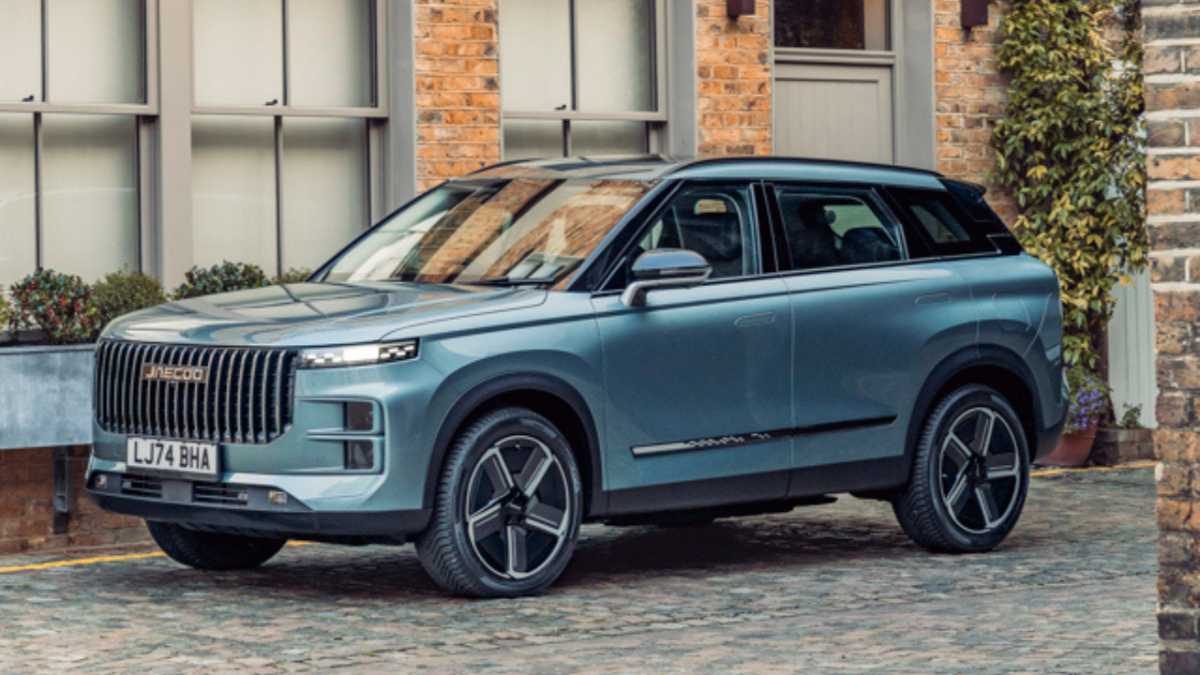
TL;DR: UK electric car sales hit a record high in March 2026, driven by painful petrol and diesel price increases. The surprise new bestseller? The Jaecoo 7, a Chinese SUV starting at just £30,175. It signals a huge shift in what British drivers are buying – and why.
UK electric car sales surge as petrol prices bite
If you’ve filled up recently, you’ll know it hurts. Sky-high petrol and diesel costs are pushing more British drivers to rethink what they drive – and for many, that’s finally tipping them into electric.
According to the latest data, UK electric car sales hit an all-time high last month, marking a defining moment for the industry. The message is clear: as the cost of fossil fuels climbs, electric cars aren’t just greener; they’re smarter for your wallet too.
Key Facts
- 86,120 new fully electric cars were registered in March 2026 – a record monthly high for the UK.
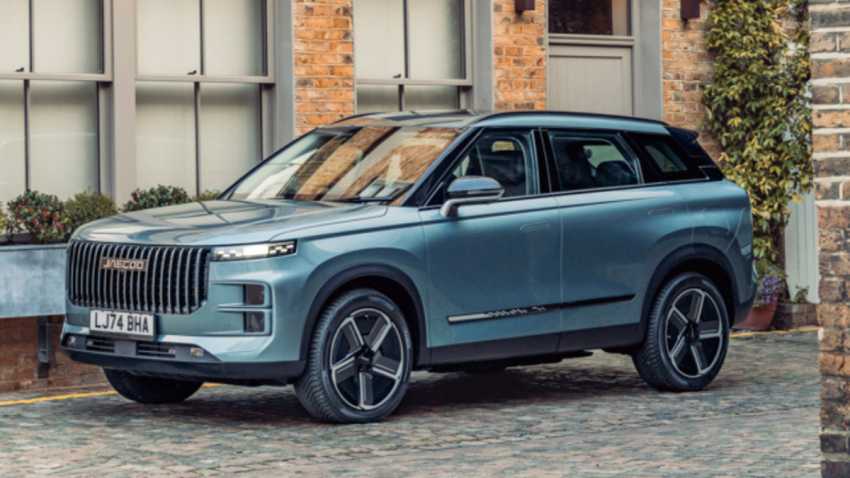
- The Jaecoo 7 became the UK’s best-selling car last month, priced from £30,175.
- Petrol prices jumped by 24p per litre since February, now sitting at 157p.
- Chinese EV brands now hold 15% of the UK’s new car market – with BYD outselling Tesla in March.
- Electric cars make up 22.6% of new car sales, falling short of the government’s 28% 2026 target.
A new best-seller shakes up the charts
For years, Britain’s best-sellers list has looked familiar – Ford, Volkswagen, maybe Vauxhall on a good month. But that’s just changed. The newcomer topping the charts is the Jaecoo 7, a Chinese SUV that’s turning heads for good reason.
Dubbed the “Temu Range Rover”, the Jaecoo 7 blends premium looks with a price tag that’s distinctly un-premium. Starting at just over £30k, it’s the kind of car that makes families stop and think, “Why pay double for the badge?”
Click here to see how the Jaecoo 7 stacks up against the Omoda 7 and Chery Tiggo 7.
The real reason for the switch: fuel costs
Let’s be honest, for most drivers, the decision isn’t really about carbon footprints anymore. It’s about costs.
Since February, the average litre of petrol has jumped to 157p, while diesel sits at a painful 189.4p. That’s enough to make anyone reconsider their next car purchase.
And for many, the maths now favour electric. With lower running costs and cheaper maintenance, switching to an EV isn’t just better long-term – it's becoming essential right now.
Compare fuel vs EV running costs with Regit’s cost calculator.
The rise of Chinese EV brands in the UK
It’s not just Jaecoo changing the game. Chinese-built electric cars are rapidly reshaping Britain’s new car market, now holding 15% market share.
Brands like BYD, Chery, and Omoda have hit on the formula that’s eluded some European rivals – affordability, availability, and value. While others face production delays, these new players are getting cars onto British roads fast and at prices that undercut the competition.
BYD even outsold Tesla in March, a major milestone that few would have predicted a year ago.
Thinking of going electric? Read our full Regit guide to Chinese EV brands in the UK.
Government targets and industry warnings
Despite record-breaking sales, the Government’s Zero Emission Vehicle (ZEV) targets are still proving tough to hit. The requirement calls for 33% of new vehicles to be zero-emission by 2026, yet BEVs currently sit at 22.6%.
Industry voices are urging the Government to step up, whether through a refreshed EV grant, better charging infrastructure, or more incentives for new buyers. The Labour Party has suggested exploring these ideas, but for now, progress rests on driver demand and market supply.
The plug-in hybrid market remains stagnant, signalling that Britain’s drivers aren’t halfway committed – they're jumping fully into electric.
What’s next for drivers?
With more brands like Denza and Lepas set to launch in the UK by 2026, British motorists will soon have even more choice.
One thing is clear: the era of the expensive-to-run petrol car is fading fast. Electric vehicles aren’t just the future, they’re becoming the present.