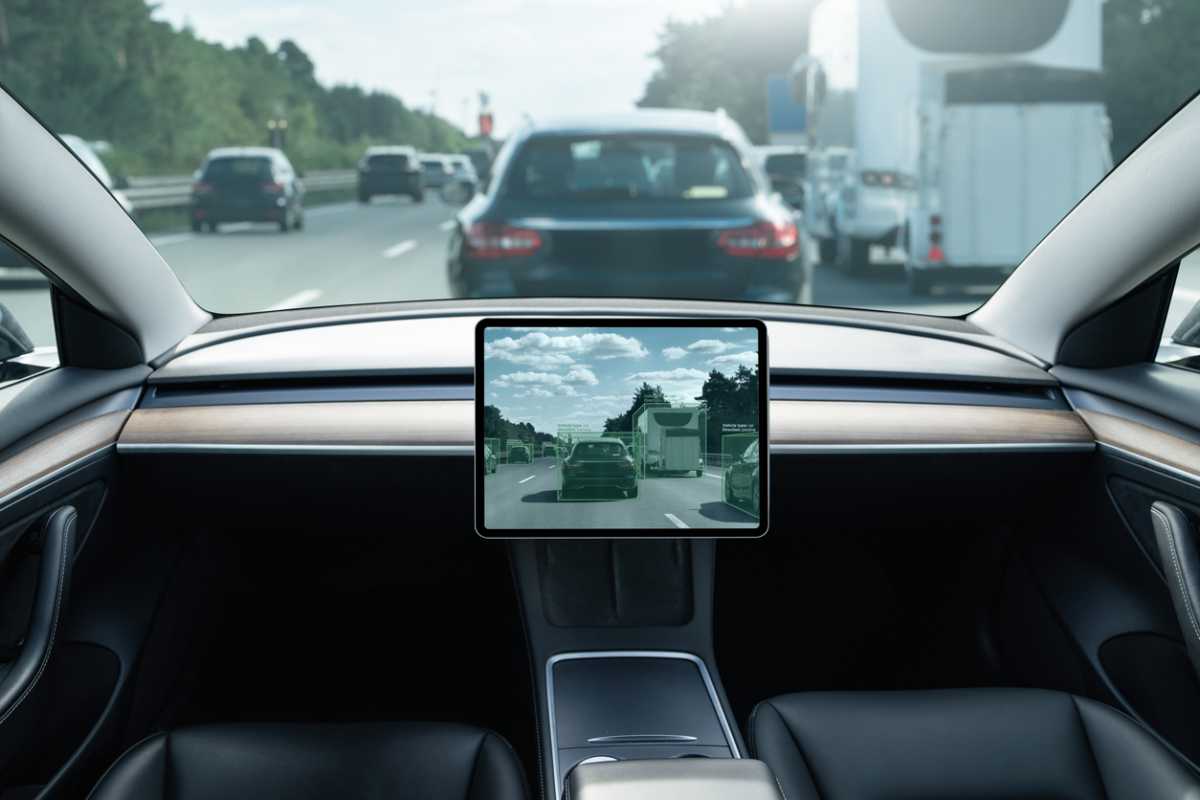
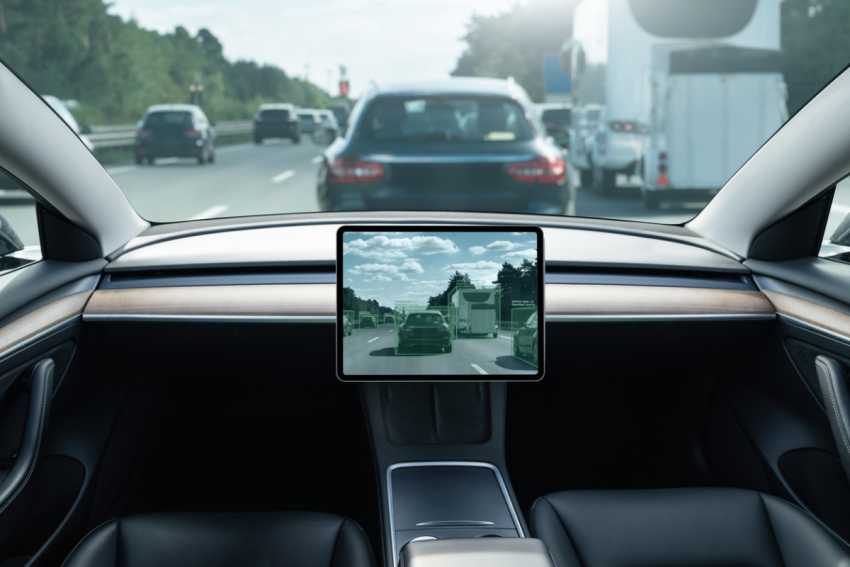
London-based AI pioneer Wayve has just bagged a staggering £1.1 billion ($1.5bn) in fresh funding, and honestly, it’s a massive deal for the UK tech scene. With heavy hitters like Microsoft and Nvidia leading the charge, the goal is clear: getting self-driving cars to actually work on our notoriously tricky British roads. We aren't talking about the wide, sunny boulevards of California here. We're talking about the real stuff – tight London alleys, rainy motorways, and the dreaded potholes that plague our daily commutes.
Tackling Britain’s unique driving challenges
Can a computer really handle a massive crater on a B-road in the middle of a storm? Instead of relying on rigid, expensive digital maps that go out of date the moment a roadwork sign appears, Wayve's system uses “embodied AI.” It learns by seeing and reacting in real-time. CEO Alex Kendall recently pointed out that their AI is built to handle the world as it exists today, not some perfect, imaginary version of it.
What makes Wayve’s ‘Embodied AI’ different?
It’s a bold claim, isn’t it? Yet, the investment, which values the startup at roughly £6.4 billion, suggests the big players are convinced. By training their systems in the chaos of central London and the winding lanes of rural Wales, they’re creating something far more adaptable than the US-centric autonomous models we usually see. If you can navigate a five-way roundabout in a British downpour, you can probably drive anywhere.
The battle between Wayve and Waymo
The race is definitely heating up, too. While Google’s Waymo has its eye on a UK launch, Wayve has that crucial home-field advantage. They’ve already inked a deal with Uber to get their tech into the fleet, meaning you might be hailing a driverless ride sooner than you’d expect – potentially by the end of 2026.
Legal and regulatory hurdles for self-driving cars
Of course, the tech is only one piece of the puzzle. We still need the legal framework to catch up, though the recent Automated Vehicles Act shows the government is at least trying to keep pace.
The big question: can we trust a machine on British roads?
Ultimately, Wayve’s self-driving technology isn't just about cool gadgets; it's about whether we can trust AI to navigate the unpredictability of British life. From what we’ve seen so far, they’re making a very convincing case that the answer is yes. It’ll be fascinating to see if these robotaxis can truly master the school run and the Friday evening rush hour without breaking a sweat.