Smart motorway speed cameras still affected by technical fault
More than 150 speed cameras across England’s motorway and major A-road network have been affected by a technical fault for almost a year, prompting renewed concerns about road safety and speed limit enforcement.
The problem affects 154 cameras across approximately 440 miles of the Strategic Road Network, according to figures provided by the Department for Transport. That represents around 10% of the network, which covers approximately 4,500 miles of motorways and major A-roads in England.
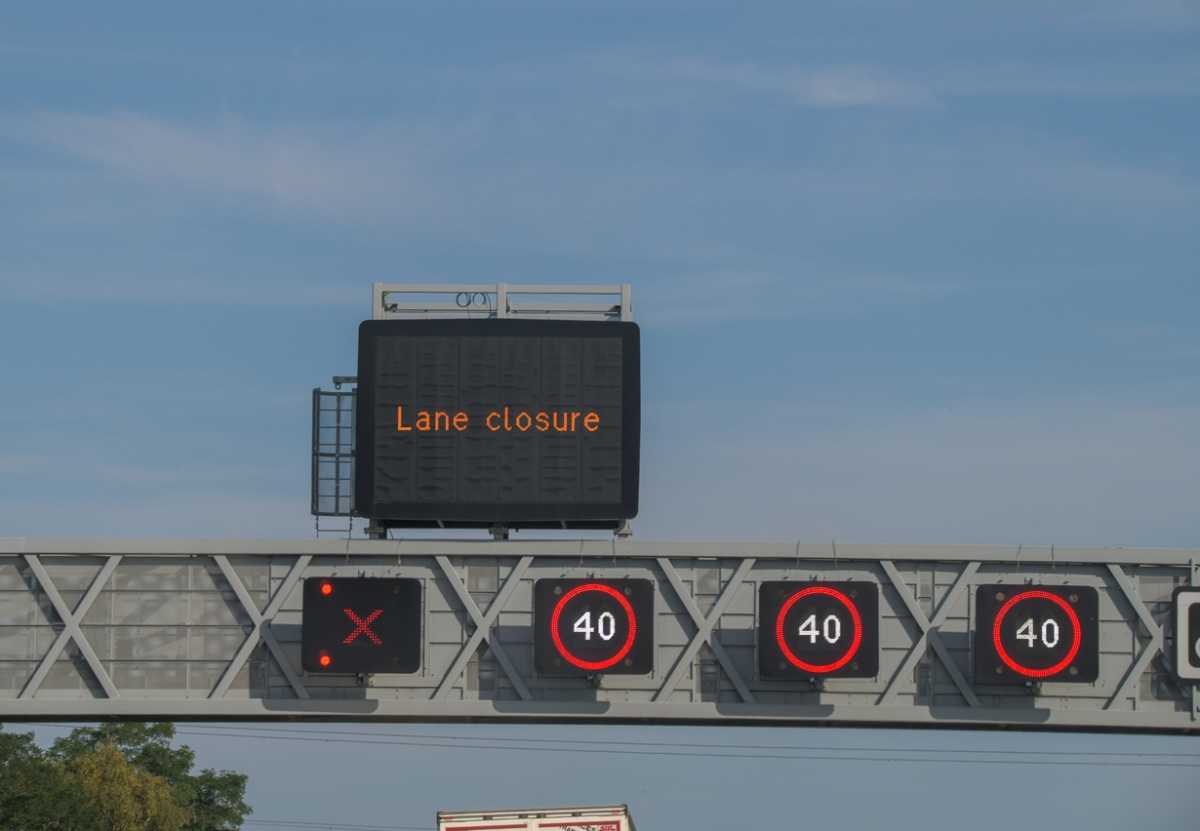
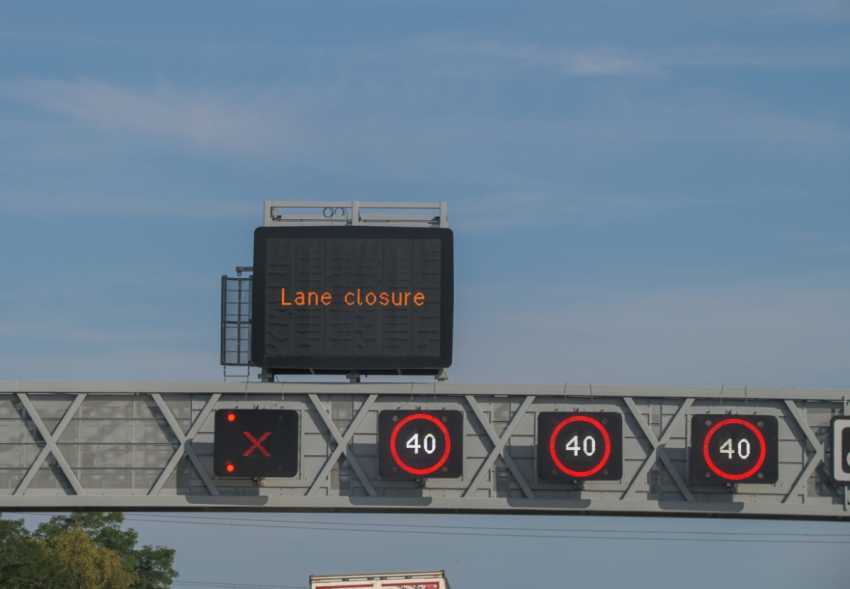
The fault has particular implications for smart motorways, where variable speed limits are used to manage traffic flow and help reduce the risk of collisions. Reliable enforcement is an important part of the system, especially when drivers must respond to changing limits displayed on overhead gantries.
Transport Secretary Heidi Alexander commissioned an independent review after the issue emerged in December 2025. The review was expected to report within 18 weeks, but its findings remain unpublished.
How the smart motorway camera fault works
The technical problem involves a delay in communication between speed cameras and variable speed limit signs. The delay can mean a camera continues to register an earlier speed limit for around 10 seconds after the displayed limit has changed.
For example, a driver could see a sign increasing the limit from 40mph to 60mph while the camera is still operating against the previous 40mph limit. This mismatch has resulted in drivers being incorrectly identified as speeding.
The issue has raised questions about the reliability of automated enforcement and the safeguards needed to prevent inaccurate penalties. It also highlights the importance of ensuring that cameras and traffic management systems work in sync before enforcement takes place.
According to transport minister Justin Madders, a technical solution has been developed and is undergoing testing. In the meantime, police continue to enforce speed limits using a range of methods.
However, fixed cameras can provide continuous monitoring across affected stretches of road, while mobile enforcement requires police resources to be deployed at specific locations and times.
Why speed enforcement matters on smart motorways
Smart motorways use variable speed limits to manage traffic, respond to congestion and help reduce the likelihood of collisions. Lower limits can give traffic more time to react to queues and changing conditions ahead.
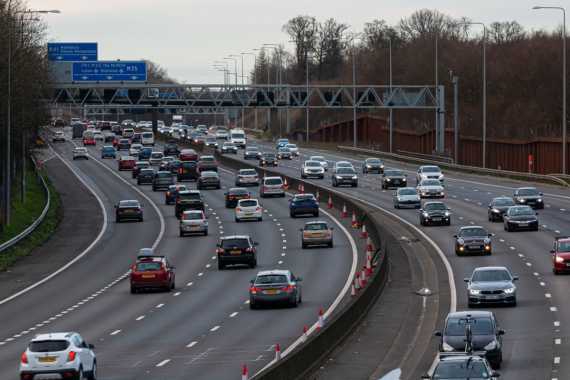
Some designs also use the hard shoulder as a permanent traffic lane. This means a vehicle that breaks down may be left in a live lane unless it can reach an emergency refuge area or another safe location.
Speed compliance is therefore an important part of the wider safety picture. Drivers travelling too fast for the conditions can increase the risk and severity of collisions, particularly when traffic slows suddenly.
The camera fault does not, by itself, establish that smart motorways have become more dangerous. However, any prolonged disruption to a key enforcement system raises legitimate questions about how effectively speed limits are being monitored and whether alternative measures provide sufficient coverage.
AA and RAC raise concerns over the delay
The AA has called for greater transparency over the fault and the delay in publishing the independent review. Its president, Edmund King, has stressed the importance of motorists being able to trust the accuracy and reliability of motorway technology.
The RAC has also warned that malfunctioning cameras risk weakening public confidence in smart motorways. Its road safety expert, Rod Dennis, has highlighted the importance of drivers complying with variable speed limits to help protect everyone using the network.
Both organisations have called for action to address the underlying technical problem and establish safeguards against similar failures in future.
National Highways, which operates England’s Strategic Road Network, says speeding offences continue to be detected and prosecuted through a range of enforcement measures. It has also confirmed that the camera fix is undergoing rigorous testing.
What this means for drivers
Drivers should continue to follow the speed limits displayed on road signs, including variable limits on smart motorways. A camera fault does not mean a posted limit can be ignored, and police enforcement remains in place.
If you receive a speeding notice and believe it may be incorrect, check the details carefully and follow the official process for challenging it. Keep any relevant correspondence and evidence, and pay attention to the deadlines stated in the notice.
The wider issue is one of confidence. Drivers need to know that speed limits are communicated accurately, enforcement equipment is reliable and technical failures are dealt with promptly.
Regit verdict
A camera fault affecting 440 miles of England’s strategic road network is a serious operational problem, particularly when the technology is used to enforce changing speed limits on smart motorways. The priority should be to complete testing, restore reliable enforcement and publish the independent review so drivers can understand what went wrong.
Until that happens, assurances that alternative enforcement methods remain in place will only go so far. Motorists deserve a clear explanation of the fault, a credible timetable for fixing it and evidence that the same problem will not happen again.