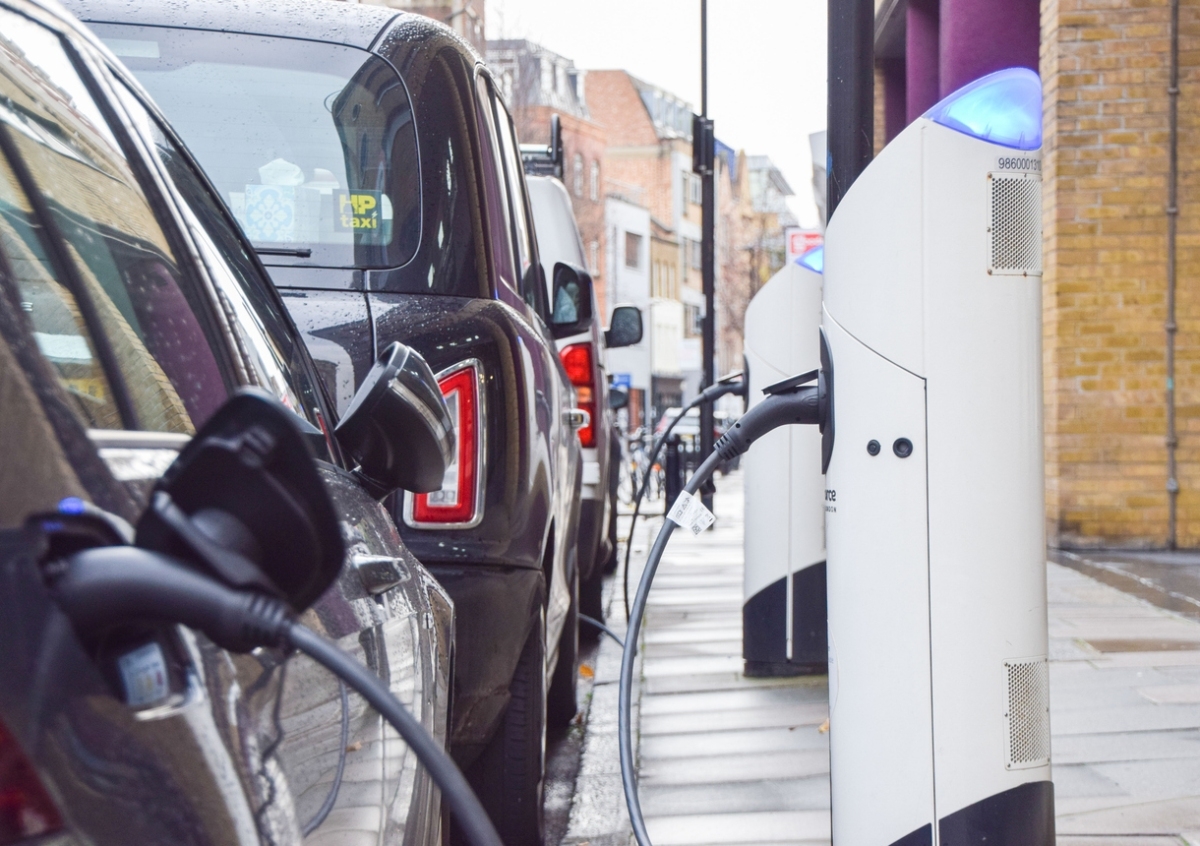
The Government has confirmed it will introduce a new mileage-based tax for electric vehicle owners from 2028, with drivers able to use connected car technology to automatically record their mileage.
The new electric vehicle excise duty (eVED) scheme will charge electric car owners 3p for every mile they drive, while plug-in hybrid vehicle (PHEV) drivers will pay a reduced rate of 1.5p per mile.
The charge will be introduced alongside the existing annual vehicle tax, which means electric vehicle owners will pay both the standard vehicle excise duty and the new mileage-based levy.
The Treasury says the policy is designed to replace some of the fuel duty revenue lost as more motorists move away from petrol and diesel vehicles.
“EV and PHEV drivers should make a fair contribution to public finances as fuel duty revenues decline,” the Government said.
The plans were confirmed following a public consultation that received 5,133 responses from motorists, businesses, motoring organisations, charities and other groups.
Drivers could choose GPS-based mileage tracking
Under the proposed system, most drivers will initially estimate how many miles they expect to travel each year. Their mileage figures will then be checked against records collected during MOT tests.
However, the Government has confirmed that motorists will have the option to use vehicle connectivity systems to provide accurate mileage data automatically.
Cars with built-in connectivity features could transmit mileage information through mobile networks, including 4G and 5G technology.
The Treasury said this optional approach would make the system easier to manage for drivers who choose to use it.
“Making use of mileage data that cars already report will be optional,” it said, adding that drivers who opt in would benefit from a simpler and more flexible process.
The Government has ruled out making GPS tracking compulsory, following concerns about privacy and the use of vehicle data.
Tax rate will increase with inflation
The initial 3p-per-mile rate will rise annually from 2029-30 in line with Consumer Prices Index (CPI) inflation.
This means the cost of driving an electric vehicle under the scheme is expected to increase over time.
The decision has attracted criticism from some motorists because fuel duty on petrol and diesel has remained unchanged for many years, despite previous plans to increase it in line with inflation.
The Government argues that a new system is needed because the growing number of electric vehicles on UK roads is reducing fuel duty income.
Example: how much could EV drivers pay?
A driver covering 12,500 miles in a year would pay £375 under the new 3p-per-mile system.
If a driver travels fewer miles than expected, unused payments would be carried forward as credits. If they exceed their estimated mileage, they would face an additional charge.
The system is intended to ensure drivers pay based on how much they use the roads rather than the type of vehicle they own.
Concerns over fairness and administration
Critics have raised concerns about how accurately drivers will estimate their mileage and whether MOT centres will face extra administrative pressure.
Some have also warned that motorists could face charges for journeys made abroad, even though they may already pay local road taxes in other countries.
Industry groups have argued that additional ownership costs could discourage some consumers from switching to electric vehicles.
The National Franchised Dealers Association warned that uncertainty around the scheme could make it harder for customers to make informed decisions when buying electric cars.
The British Vehicle Rental and Leasing Association said the changes did not address wider concerns about the timing and impact of the policy.
Government makes changes after consultation
The consultation resulted in two main changes to the original proposal.
First, newer electric vehicles and plug-in hybrids will no longer need to attend separate garage checks to verify mileage. Instead, owners will provide mileage estimates or share data through connected vehicle systems.
Second, businesses, leasing firms and fleet operators will be allowed to submit mileage information for multiple vehicles at once.
The Treasury said the final design aims to balance a fairer motoring tax system with continued support for electric vehicle adoption.
Concerns about mileage fraud
One of the biggest challenges facing the scheme is preventing mileage manipulation.
Because the system relies partly on odometer readings, critics have warned that fraudsters could attempt to alter or block mileage records to reduce tax payments or increase vehicle resale values.
Modern mileage-blocking devices can prevent mileage from being recorded correctly by interfering with vehicle electronics, making some forms of tampering harder to identify.
The Government says it plans to strengthen rules around odometer fraud by introducing new offences, requiring vehicles to have functioning odometers and banning devices designed to manipulate mileage readings.
It also intends to give enforcement agencies greater powers to investigate suspected mileage fraud.
The Treasury says additional checks, including comparisons with MOT records and the use of algorithms to identify unusual patterns, will help detect suspicious activity.
However, motoring industry experts have questioned whether garages will have the equipment and expertise needed to investigate complex mileage disputes involving electric vehicles.
Nick Connor, chief executive of the Institute of the Motor Industry, said there were still unanswered questions about how the risks would be managed in practice.
He warned that checking a dashboard reading was straightforward, but investigating possible manipulation involving multiple electronic systems inside an EV would be far more complicated.
Industry warns policy could affect EV adoption
Environmental groups and motoring organisations have also raised concerns that the new tax could slow the transition to electric vehicles.
Ben Nelmes, chief executive of green transport organisation New AutoMotive, said the policy risked becoming politically difficult because it could add costs for households switching to electric cars.
He also criticised the possibility of UK drivers being charged for miles travelled on foreign roads during overseas trips.
Despite the criticism, the Government has confirmed that eVED will go ahead from April 2028, with further details expected before implementation.