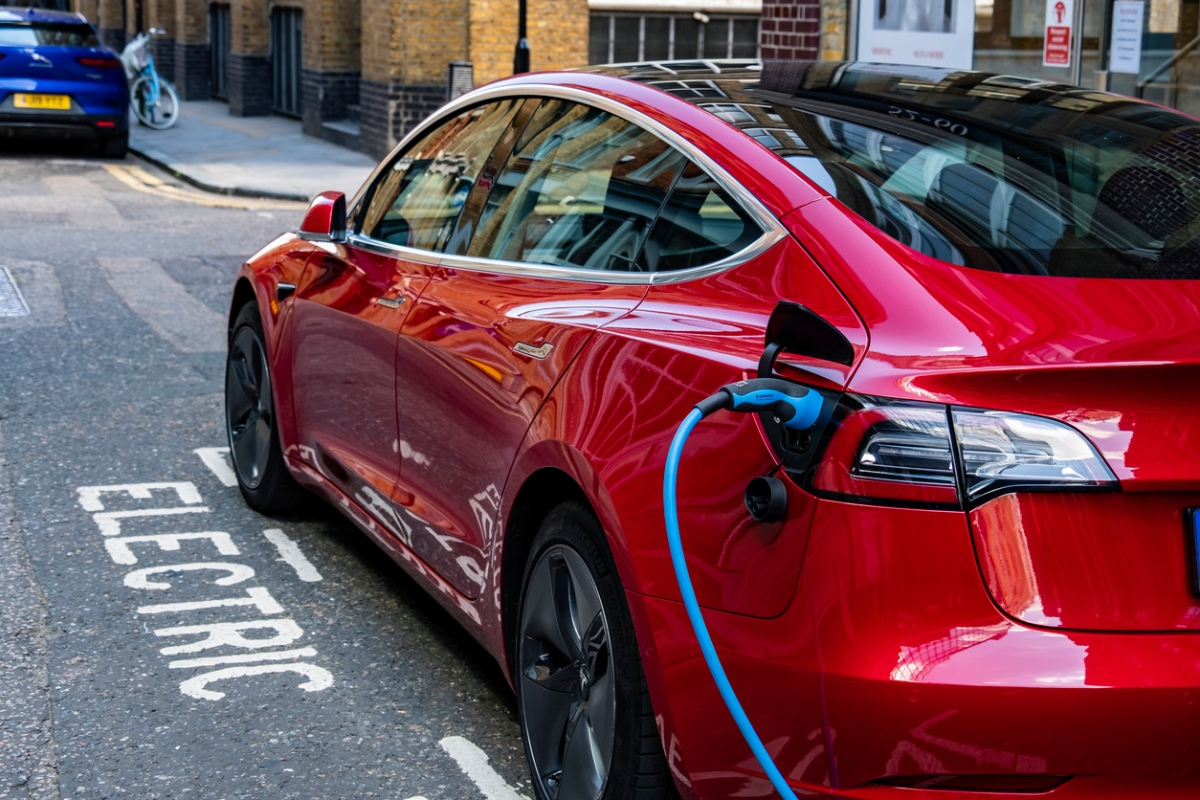
From 2035, up to 10 per cent of new car sales in the EU will be allowed to include hybrids, plug-in hybrids and even petrol and diesel models.
The EU has made a major U-turn by scrapping its planned 2035 ban on new petrol and diesel cars, a move that has sent shockwaves through the automotive industry and could influence the UK’s own electric vehicle (EV) strategy.
Announcing the change on 16 December 2025, European Commissioner for Climate, Net Zero and Clean Growth Wopke Hoekstra said the goal was to protect both the climate and Europe’s competitiveness.
“We want our industries to lead the transition to a low-carbon economy because that is what is best for our climate, competitiveness and independence,” he said. “We are introducing more flexibility for manufacturers, balanced by tougher requirements on materials and fuels to cut emissions.”
What does the change actually mean?
Under the original plan, only fully electric and hydrogen-powered cars could be sold new in the EU after 2035. The revised rules now allow manufacturers to continue selling plug-in hybrids, full and mild hybrids, and even traditional petrol and diesel cars beyond that date.
However, there is a strict limit. These vehicles can make up no more than 10 per cent of a manufacturer’s total sales. Any emissions from them must be offset through measures such as using low-carbon steel in production or running vehicles on e-fuels and biofuels.
In the run-up to 2035, manufacturers will also benefit from “super credits” for small electric cars. EVs under 4.3 metres long will count as 1.3 vehicles towards emissions targets, helping brands build up compliance credits more quickly.
For vans, the requirement for fully electric sales after 2035 has been reduced from 50 per cent to 40 per cent. The EU has also pledged €1.8 billion to support battery manufacturing, including interest-free loans for European cell producers.
How has the industry reacted?
Reaction from car makers has been split.
Some brands that have committed fully to electric power are unhappy. Polestar CEO Michael Lohscheller criticised the move during a protest in Brussels, saying: “Electric is the only way forward. We say no to combustion engines.”
He argued that electrification would create long-term jobs and growth, while extending the life of combustion engines would only delay progress. “Europe doesn’t have a demand problem, it has a confidence problem,” he said.
Others welcome the extra flexibility. Several European manufacturers say the change gives them breathing space as they face growing competition from cheaper Chinese brands. Renault Group CEO François Provost recently said a quarter of the company’s R&D team is focused on meeting tightening regulations.
“We need flexibility,” he explained. “That means technological neutrality. Advanced plug-in hybrids or range-extender solutions may be necessary to meet the 2035 timeline.”
Ford has also announced it is scaling back its EV plans, citing lower-than-expected demand, high costs and changing regulations. The EU’s decision is likely to reinforce this approach, with Ford expected to rely more on shared EV platforms from partners such as Renault and Volkswagen.
What about the UK?
It is still unclear whether the UK will follow the EU’s lead. Labour, under Prime Minister Keir Starmer, has already reinstated the 2030 ban on new petrol and diesel cars, with a requirement that all new cars sold after 2035 must be fully zero-emission.
By contrast, the Conservatives say they would scrap both the ban and the Zero Emission Vehicle (ZEV) mandate if they win the 2029 general election. Party leader Kemi Badenoch has described the ZEV mandate as “well-meaning, but ultimately destructive”.
Electric car sales in the UK are still rising, up 26 per cent so far in 2025, but growth has slowed. November sales were only 3.6 per cent higher than a year earlier. Many manufacturers are also struggling to meet ZEV targets, which require 28 per cent of sales to be zero-emission in 2025 and 33 per cent in 2026.
This slowdown is partly blamed on mixed government signals. On one hand, the £3,750 Electric Car Grant has been extended to 2030. On the other, the proposed pay-per-mile eVED scheme could see EV and plug-in hybrid drivers paying more than petrol and diesel drivers.
Fiona Howarth, founder and director of Octopus Electric Vehicles, warned against following the EU’s example. “The UK has built credibility as a stable and attractive EV market based on clear regulation,” she said. “Watering down that ambition in response to changes in Brussels would send a damaging signal to investors, manufacturers and supply-chain partners who have already committed significant funding.”