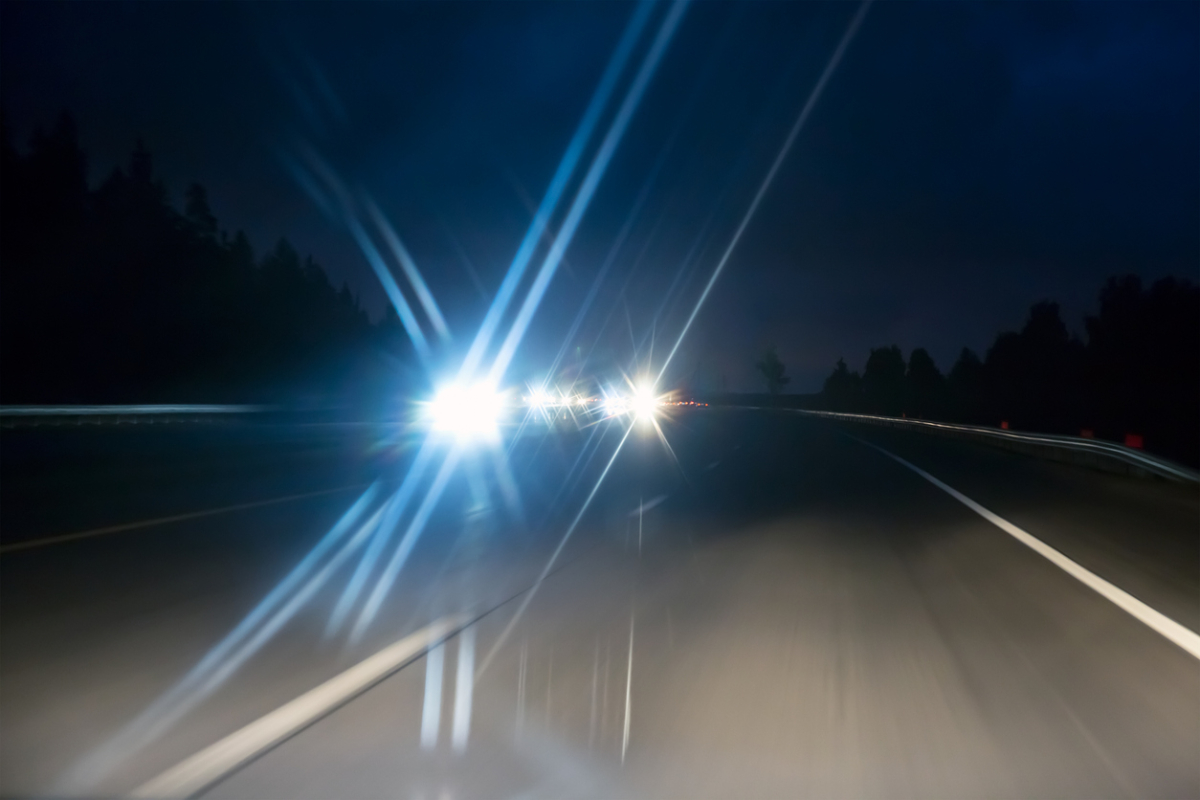
The Department for Transport (DfT) has announced plans to commission dedicated research into the impact of vehicle headlight glare on UK motorists, following concerns that modern lighting systems are compromising road safety. The decision comes alongside a new Road Safety Strategy which aims to identify whether specific vehicle designs or the proliferation of LED technology are responsible for an increase in drivers being dazzled on national roads.
The government initiative follows the release of a comprehensive study by the RAC, which found that 57% of drivers believe the problem of headlight glare has intensified over the last 12 months. According to the breakdown of the survey, which included 1,745 UK motorists, approximately 32% of respondents reported being regularly dazzled by oncoming vehicles, while 62% experienced the issue on an occasional basis.
Ministers confirmed that the Driver and Vehicle Standards Agency (DVSA) will also increase market surveillance to prevent the sale of illegal, non-compliant bulb upgrades. Under current UK regulations, motorists found using unapproved lighting systems or illegal retrofitted bulbs face fixed penalty notices and fines of up to £1,000. These unauthorised modifications are also flagged as automatic failures during the annual MOT test.
Safety concerns and nighttime driving habits
The impact of blinding lights is reportedly altering how UK motorists approach travel after dark. The RAC data indicates that a third of drivers now feel less safe or confident when driving at night. Of those who have been dazzled, 51% stated they found it difficult to identify road markings or hazards, while 42% admitted they could not accurately judge the speed or distance of oncoming traffic.
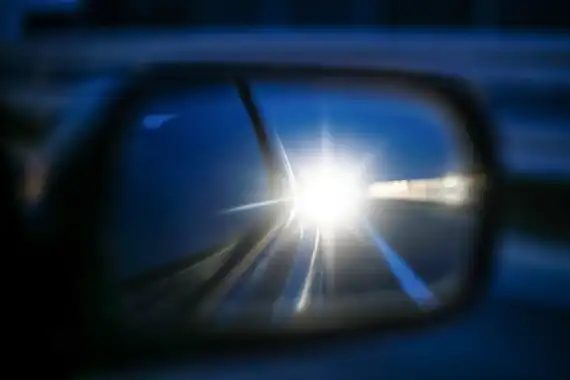
One in four participants in the study reported being temporarily blinded by the intensity of modern headlights. Rod Dennis, a senior policy officer at the RAC, stated that the issue has become a perennial problem that is tangibly affecting the lives of motorists. Some drivers are now reportedly avoiding nighttime journeys altogether to mitigate the risk of being dazzled by newer, brighter light units.
Government research and international standards
The DfT’s planned research will build upon initial findings from the consultancy firm TRL, which previously suggested that high-intensity lighting systems are more likely to cause glare in certain environmental conditions. The new study will categorise findings by vehicle make and model to determine if the height of the vehicle, specifically in the growing SUV market, contributes to the problem.
Officials stated that the data gathered from this study could be used to lobby for amendments to international vehicle lighting regulations at the United Nations. By providing a technical evidence base, the UK government intends to influence the global manufacturing standards that dictate how headlights are angled and how bright they are permitted to be in real-world driving scenarios.
Department for Transport figures highlight the urgency of the matter, showing that since 2013, an average of 280 collisions occur annually where dazzling headlights are cited as a contributory factor. On average, six of these incidents per year result in a fatality, prompting road safety advocates to call for swifter intervention in vehicle design standards.
Existing regulations and The Highway Code
Under existing UK law, the maximum height for a dipped beam headlamp is restricted to 1200mm from the ground. While many modern cars are manufactured with high-intensity LED or Xenon units that are road-legal from the factory, the Highway Code is explicit regarding their usage. Rule 114 states that motorists must not use any lights in a manner that would dazzle or cause discomfort to other road users, including cyclists and pedestrians.
The Highway Code also mandates that headlights must be used when visibility is seriously reduced, defined as the ability to see less than 100 metres. However, the legislation differentiates between manufacturer-fitted technology and aftermarket modifications. It remains strictly illegal for a vehicle owner to retrofit LED or High-Intensity Discharge (HID) bulbs into a housing designed for traditional halogen lights.
Market surveillance and enforcement measures
To combat the rise in non-compliant lighting, the DVSA is stepping up its efforts to intercept the sale of illegal retrofit kits. These products, often sold online, frequently fail to meet the precise beam patterns required to prevent light from bleeding into the eyes of oncoming drivers. Enforcement units will target retailers attempting to sell these components for on-road use.
The government's Road Safety Strategy, published earlier this year, remains a foundational document for these changes. While the specific research parameters are currently being finalised, the DfT has committed to a data-led approach to ensure that future lighting regulations balance the driver's need for visibility with the safety of other road participants. For now, the DVSA continues to remind motorists that maintaining the correct alignment of their current headlights is a legal requirement under the Road Vehicles (Construction and Use) Regulations.