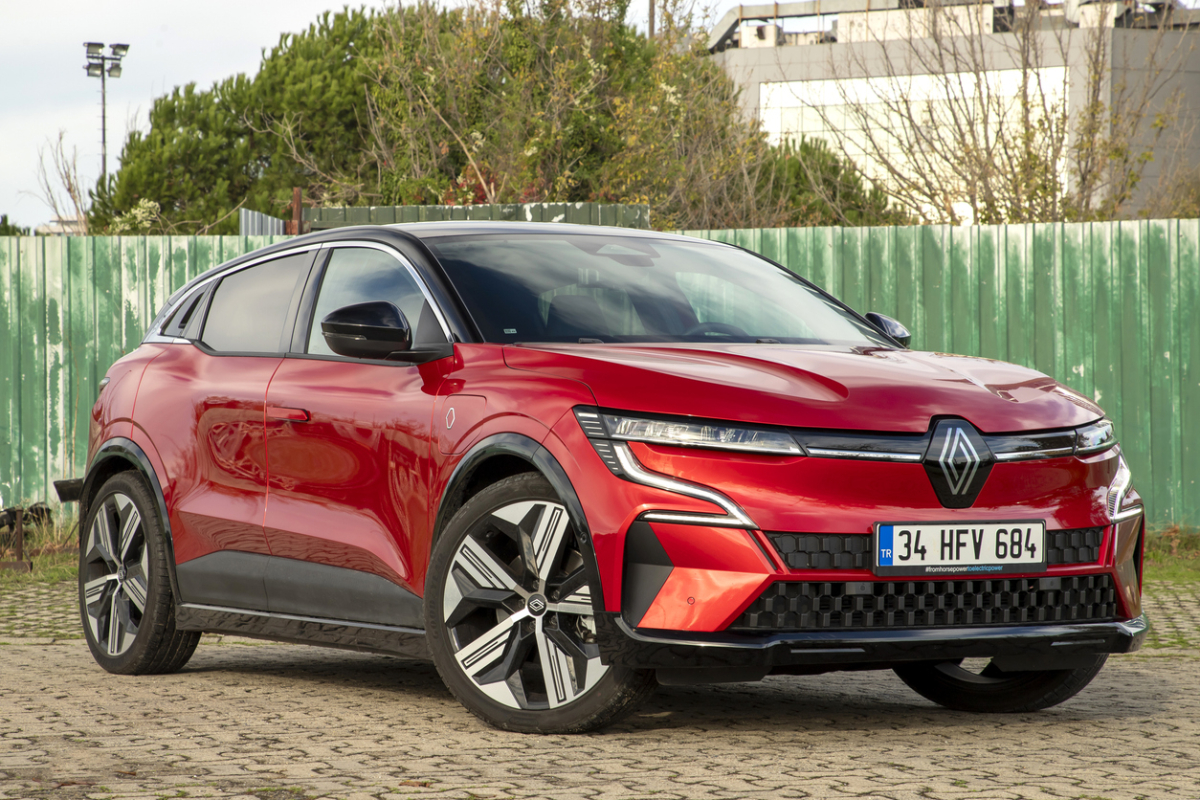
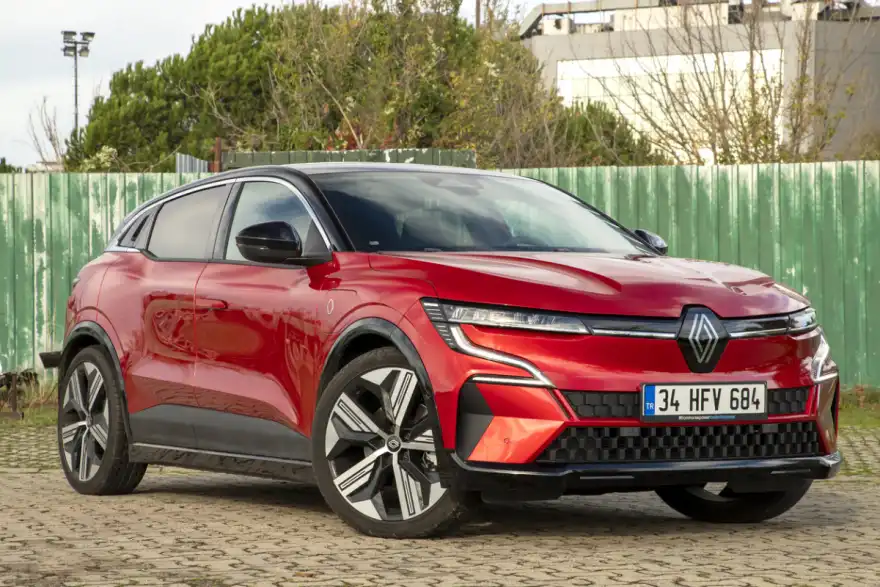
TLDR: Renault is now Europe’s second-largest carmaker, driven by a 7.4% sales surge. Their success hinges on a 'multi-powertrain' strategy that balances electric vehicles with traditional and hybrid engines. By focusing on the booming SUV segment and upcoming compact EVs, Renault has successfully navigated shifting consumer demands across the UK and EU markets.
Renault’s just pulled off something of a blinder. They’ve officially climbed the ranks to become the second-largest automaker in Europe, leapfrogging some serious competition. It’s not just a fluke of the numbers, either; it’s the result of a calculated, slightly rebellious strategy that’s paying off in spades.
While some brands bet the house on going 100% electric overnight, the French giant took a different path. They’ve seen a 7.4% jump in sales across the continent, and the bosses at Renault reckon that’s down to their 'multi-powertrain' approach. Basically, they aren’t forcing drivers into a corner. Whether you want a full EV, a hybrid, or a traditional petrol engine, they’ve got a key waiting for you.
Why the Multi-Powertrain Gamble Paid Off
Let’s be honest: the transition to electric hasn't been the smooth, linear ride the industry expected. In the UK, we’ve seen shifting deadlines and a bit of public hesitation over charging infrastructure. Renault’s genius was realising that 'one size fits all' is a myth. By keeping their finger in every pie, they’ve managed to capture the massive SUV market while still catering to those of us who aren't quite ready to plug in every night.
It’s a pragmatic move. They’re giving people what they actually want today, not just what regulators say they should want in ten years. This balanced portfolio has allowed them to dominate different regions where EV adoption varies wildly - from the tech-heavy streets of London to more rural parts of the continent.
Small Cars and Big Volts: What’s Next?
Renault isn't resting on its laurels, though. They’ve got a two-pronged plan to keep that second-place spot (and maybe even eye up the top).
1. The EV Push: They’re doubling down on electrics, but with a twist. They’re focusing on personality-driven cars like the new Renault 5, which brings a bit of soul to a segment that can sometimes feel a bit clinical.
2. The Compact Comeback: While everyone else is making massive tanks, Renault sees the gap for small, affordable cars. With the cost of living still biting across the UK and Europe, a practical, stylish small car is exactly what the doctor ordered.
The Verdict: Why It Matters Now
This isn't just a win for Renault’s shareholders; it’s a signal of where the industry is heading. The 'all-or-nothing' approach to EVs is softening. Renault’s success proves that flexibility is the ultimate currency in the current market. They’ve managed to stay relevant to the budget-conscious family in Birmingham and the eco-conscious commuter in Paris at the same time.
Can they hold onto the number two spot? If they keep nailing the balance between affordability and innovation, I wouldn't bet against them. It’s a masterclass in reading the room - or in this case, the entire European continent.