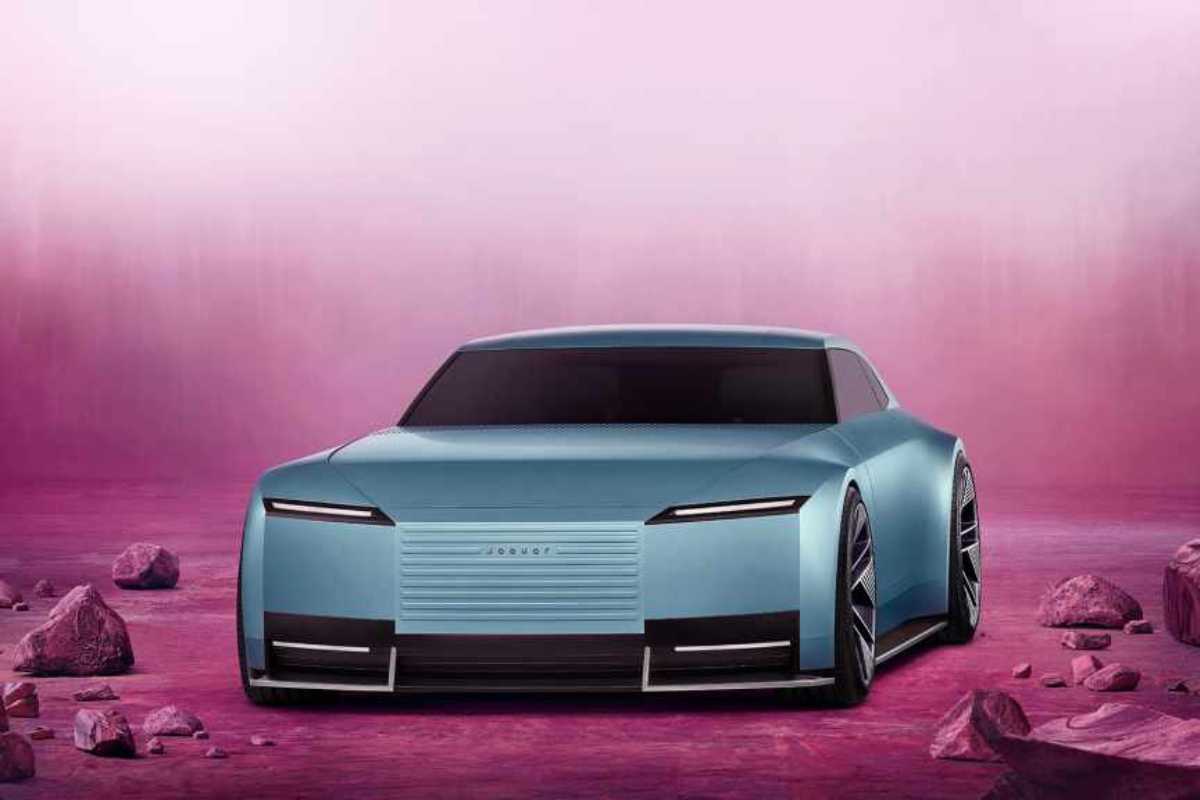
TL;DR: Jaguar is reportedly exploring a Jaguar hybrid technology shift by developing Range-Extender Electric Vehicles (REEVs) alongside its battery-electric lineup. While leadership maintains an 'electric-only' public stance, engineering teams are investigating REEVs, where a petrol engine acts as a generator, to combat range anxiety. This pivot aligns with the UK's 2035 hybrid allowance and follows similar strategy adjustments by rivals like Volvo due to cooling luxury EV demand.
Jaguar seems to be taking a second look at its 'all-in' bet on battery power. While the brand has spent years shouting from the rooftops about becoming a pure-electric luxury powerhouse, recent whispers from Coventry suggest a significant Jaguar hybrid technology shift is underway.
Reports indicate that engineering teams have been quietly tasked with developing Range-Extender Electric Vehicles (REEVs). It’s a move that would see Jaguar pivot from a purely electric lineup to a more flexible automotive electrification strategy. But why the change of heart now?
What exactly is an REEV?
To understand this shift, we need to define the tech. Unlike a traditional plug-in hybrid where the engine often drives the wheels, an REEV uses a small petrol engine purely as an on-board generator. The engine never touches the transmission; its only job is to top up the battery while you're moving.
This solves the biggest headache in the Jaguar electric vehicle transition: range anxiety. By blending electric drive with a petrol safety net, these cars can cover massive distances without the driver needing to hunt for a working rapid charger every 200 miles. It’s a practical middle ground that many luxury buyers seem to be craving.
Is Jaguar still going all-electric?
If you ask the bosses, the answer is a firm 'yes'. Jaguar’s managing director and spokespeople have been quick to reiterate that the plan to become an electric-only manufacturer remains the north star. However, the appointment of Tata Motors' PB Balaji to oversee the brand's transformation suggests a pragmatic approach to the bottom line.
There’s a clear conflict here. On one hand, you have the official PR line, and on the other, you have engineering teams reportedly working on internal combustion components. It’s likely that Jaguar is 'hedging its bets'—keeping the electric dream alive while preparing a hybrid backup plan just in case the luxury EV market demand doesn't bounce back.
The Global REEV Landscape: China vs Europe
Jaguar isn't inventing the wheel here, but they are looking at who’s winning.
China: Brands like Leapmotor are seeing huge success with REEVs, with some models pushing past 600 miles of total range.
Europe: We’ve been a bit more sceptical. Remember the Vauxhall Ampera? It was a critical darling but a showroom flop in the early 2010s.
However, the market has changed. With every car brand delaying EV plans, the appetite for a 'best of both worlds' solution is higher than ever.
Navigating the UK Zero-Emission Vehicle Mandate
One of the biggest drivers for this Jaguar hybrid technology shift is the legal fine print. The UK’s 2030 ban on new petrol and diesel cars sounds final, but there’s a massive loophole: hybrids and REEVs are allowed to stay on sale until 2035.
This five-year grace period is a lifeline. It allows Jaguar to launch its high-end electric grand tourer (expected to cost upwards of £120,000) while offering REEV versions of its SUVs to keep the volume moving. It’s a strategy we’ve seen elsewhere, as car manufacturers cope with the reality of current infrastructure.
Why it matters now
The luxury car world is at a crossroads. While there is an appetite for EVs, the 'early adopter' phase is over. Now, Jaguar has to convince the traditionalists. If they can offer a car that feels like an EV but has the 'go-anywhere' freedom of a hybrid, they might just save the brand from its recent turbulent period.
Whether this shift is a temporary detour or a permanent change in direction, it’s clear that the path to 2030 is going to be a lot noisier than we first thought.