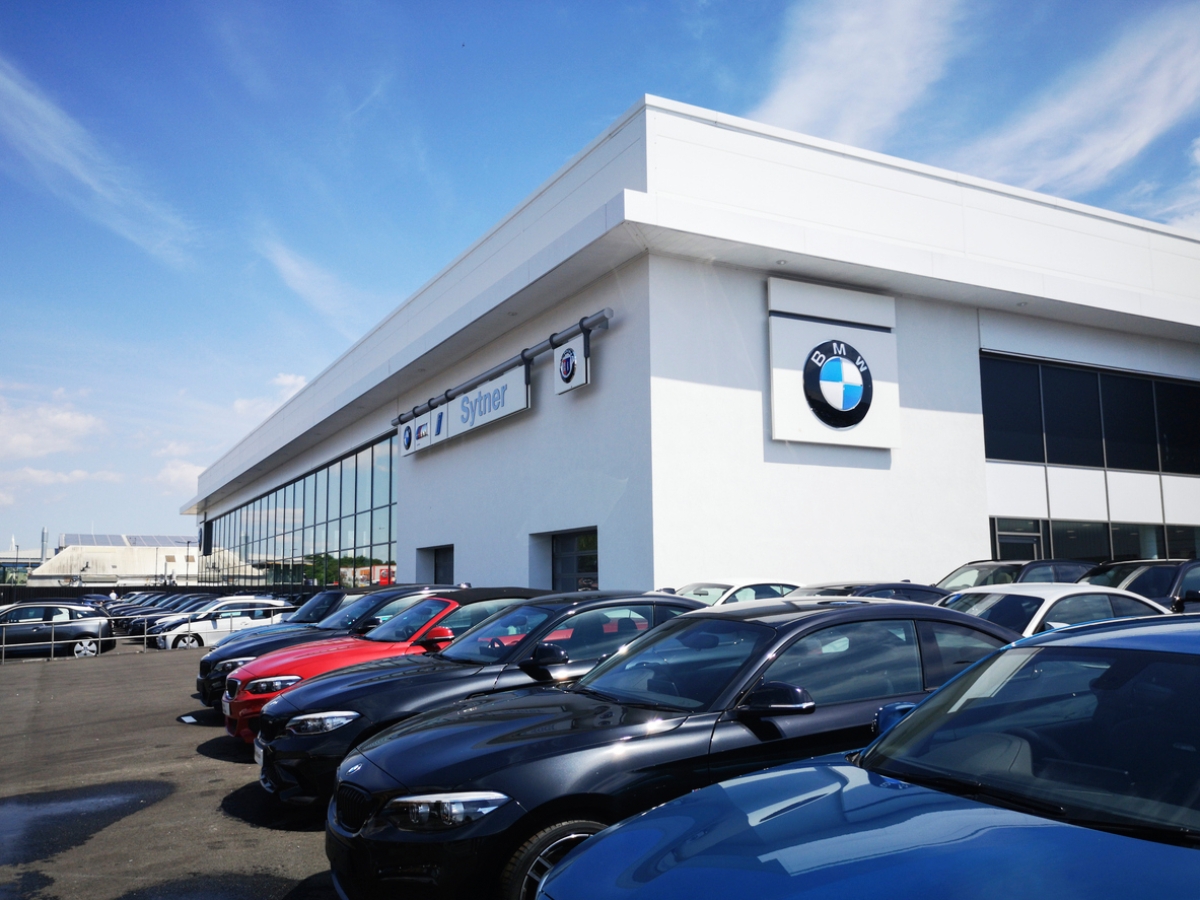

Almost one million motorists are expected to pay the Government's so-called 'luxury' car tax this year after the average price of a new vehicle climbed above £40,000.
The expensive vehicle supplement adds £425 a year to Vehicle Excise Duty (VED) for five years on cars with a list price exceeding £40,000, creating an additional tax bill of £2,125.
However, a threshold introduced in 2017 has remained unchanged for petrol, diesel and hybrid vehicles despite years of rising vehicle prices. As a result, many cars once considered affordable family models now fall within the tax band.
Family Cars No Longer Exempt
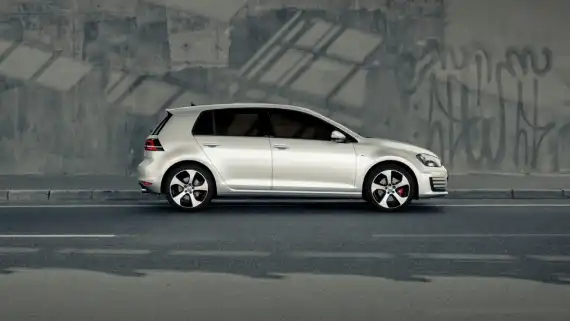
Popular models including the Volkswagen Golf, Ford Kuga and Skoda Kodiaq are now priced above the £40,000 threshold in certain specifications, meaning buyers can face the additional charge even when purchasing what many regard as mainstream vehicles.
Ian Taylor, of the Alliance of British Drivers, argued the tax no longer reflects today's car market.
"Ordinary families are being priced out. For most people, a car is an essential purchase rather than a luxury. The Government needs to rethink this tax."
Nearly One Million Cars Affected
According to automotive data specialist Jato, around 926,000 new vehicles priced above £40,000 were registered last year.
Based on registration figures from the first half of 2026, that number is expected to rise to around 973,000 by the end of the year, bringing almost one million buyers into scope of the supplement.
While the Government increased the threshold for new electric vehicles to £50,000 in April to reflect their higher purchase prices, the £40,000 limit for petrol, diesel and hybrid models has remained frozen since its introduction.
When the policy was launched in 2017, the average new car cost around £26,000. Today, that figure has surpassed £40,000.
Dealers Say Tax No Longer Targets Luxury Vehicles
Sue Robinson, chief executive of the National Franchised Dealers Association, said the supplement has drifted far from its original purpose.
"Everyday family cars are increasingly being classed as luxury vehicles rather than the exception the tax was designed to capture."
The supplement is calculated using the vehicle's official list price rather than the amount a customer actually pays. This means buyers remain liable for the tax even if dealer discounts reduce the purchase price below £40,000.
Second-Hand Buyers Can Also Pay
The charge is not limited to brand-new vehicles.
Anyone purchasing a second-hand car during the five-year supplement period must continue paying the additional tax.
Engineer Jeremy Stern, from Warwickshire, bought a used Tesla for £48,000 in 2024, less than half its original £98,000 list price, but still became liable for the supplement.
He told The Sunday Times:
"Freezing thresholds on car tax is a stealthy way of making more people pay. It seems like another envy tax."
Rising Prices Push More Cars Over the Threshold
The Society of Motor Manufacturers and Traders estimates that around 70% of new cars now have a list price of £40,000 or more.
Several popular models have seen significant price increases since 2017, including:
- Volkswagen Golf GTI: £27,865 to £44,175
- Vauxhall Grandland Ultimate: £33,995 to £40,745
- Ford Kuga ST-Line: £25,845 to £40,485
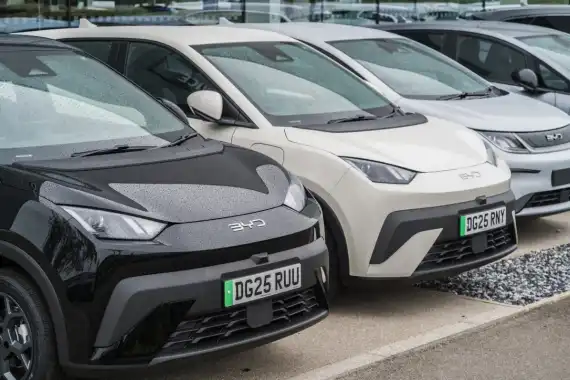
As prices continue to rise, more buyers are turning to lower-cost Chinese manufacturers such as Jaecoo, BYD and Chery. Jato said registrations of Jaecoo vehicles increased from 8,399 to 34,084 over the past year, with the brand's average selling price around £32,000.
Treasury Defends the Supplement
A Treasury spokesperson said revenue from motoring taxes helps fund essential public services and transport infrastructure.
The spokesperson added that the expensive car supplement ensures buyers of higher-value vehicles make a fair contribution, while highlighting the higher £50,000 threshold for new electric vehicles and the continued 5p per litre fuel duty cut for motorists.