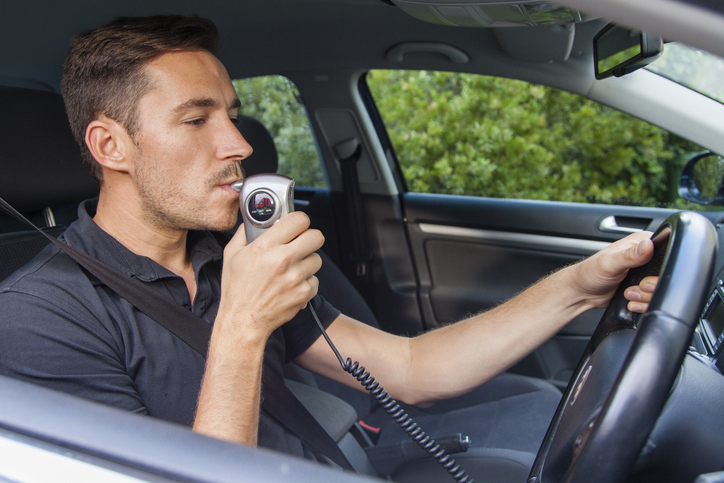

Drink-driving remains one of the most avoidable dangers on UK roads, but despite years of campaigns and tougher penalties, thousands still risk it. Now, a coalition of major road safety groups wants the Government to take a new approach: stop repeat offenders from even starting their car.
What’s being proposed?
The Lock Out Drink-Driving Campaign, backed by big names like the RAC, Brake, RoSPA, and the Road Safety Foundation, has written to Transport Secretary Heidi Alexander MP, urging the Government to introduce mandatory alcohol interlocks, or “alcolocks”, for repeat and high-risk drink drivers.
Signed by: RAC, BRAKE, Road Victims Trust, RoSPA, Road Safety GB, Alcohol Health Alliance, Road Safety Foundation, Vision Zero Communications.
An alcolock works a bit like a breathalyser built into your car. Before the engine starts, the driver has to blow into the device. If the system detects alcohol on the breath, the vehicle simply won’t start.
It’s already common tech abroad, used in New Zealand, Canada, across most of Europe, and all US states, and it works. Studies show alcolocks can cut reoffending by up to 70%. And it’s not just campaigners calling for action: a recent RAC survey found 82% of UK drivers support bringing in the measure.
Why now?
This follows a parliamentary roundtable in February, sponsored by Sam Carling MP, which brought together the Lock Out Drink-Driving Campaign, road safety charities, police, and MPs to push for alcolocks.
Despite decades of warnings, drink-drive reoffending rates haven’t fallen much. Between 2013 and 2024, over 27,000 people were convicted of drink-driving more than once, according to the RAC. Worse still, research suggests up to 75% of banned drink-drivers ignore their disqualification and keep driving illegally.
Government figures show that in 2023 alone, drink-driving led to around 260 deaths and more than 1,500 serious injuries. So the campaigners argue: if the current penalties aren’t working, tech has to step in.
What are the experts saying?
RAC’s Head of Policy, Simon Williams, didn’t mince his words:
“The RAC has long called for measures to tackle the staggering number of repeat drink-driving offences the UK sees year on year. Alcolocks represent one of the most effective tools available to the Government, which is readily available and can have an immediate impact on high-risk and repeat offenders. We have seen the evidence from programmes around the world, and we know the public support is there, all that is left is for the Government is to act now.”
The Lock Out Drink-Driving Campaign added that the current system isn't deterring offenders effectively, stating:
“This letter represents cross-sector support for the Government to commit to the introduction of a court-ordered alcolock programme for repeat drink-drivers. The system we see today is simply not an effective deterrent. The current penalties are not working, and offenders are repeatedly putting not only their lives but also others at risk. We need to do more so that lives are not needlessly lost. We sincerely urge the Government to utilise this once-in-a-generation opportunity to lock out drink driving for good.”
What happens next?
The UK Government is currently consulting on its Road Safety Strategy, which includes possible proposals for alcohol interlock technology. The consultation runs until 11 May 2026, and campaigners are pushing for alcolocks to be a top priority – starting with repeat offenders and expanding from there.
The target? To cut deaths and serious injuries on Britain’s roads by 65% by 2035. Introducing alcolocks could be a major step towards that.
Drink-driving has no place on our roads, and if alcolocks can stop offenders before they even turn the key, that could be a game-changer for road safety in the UK.