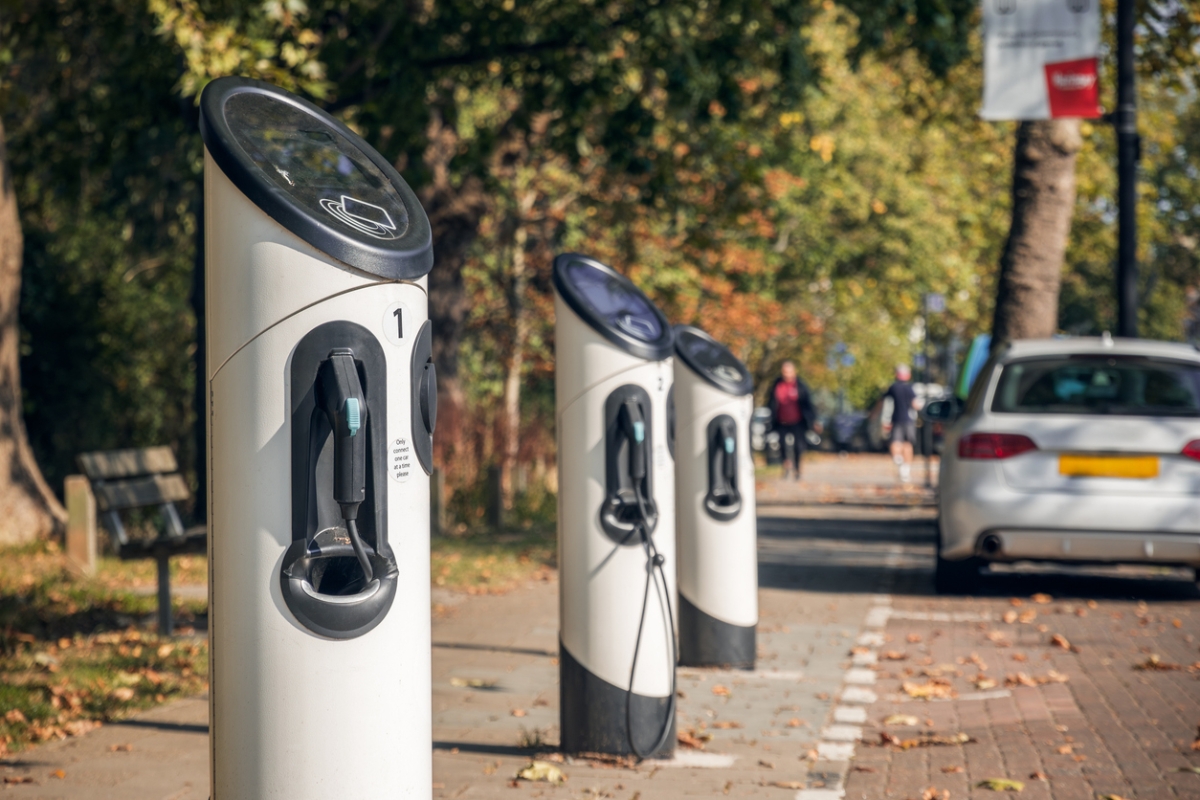
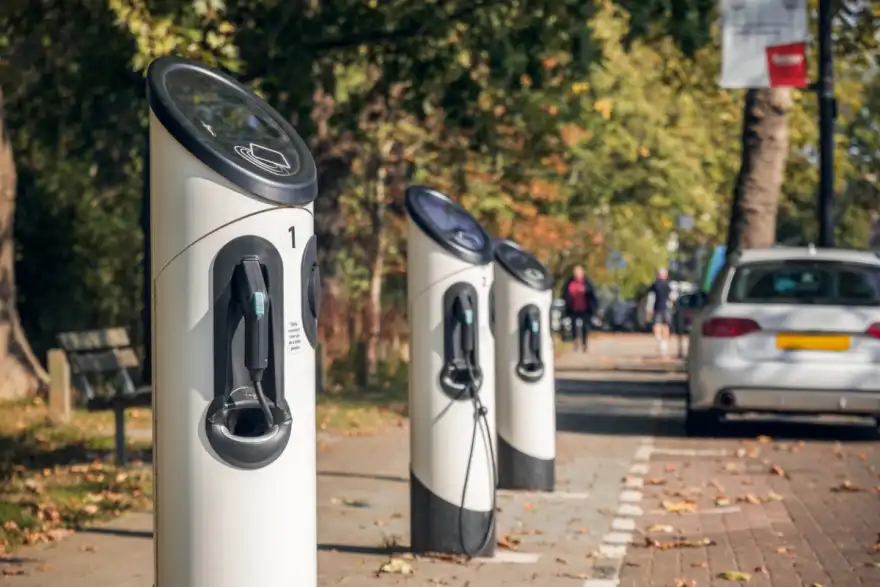
The Government’s decision to cut VAT on household electricity bills could make electric cars cheaper to run for millions of drivers, but it may also make EV ownership less attractive for motorists who cannot charge at home.
One of the biggest barriers to electric vehicle adoption in the UK is the growing cost difference between drivers who have access to home charging and those who depend on public charging networks.
Around one-third of UK households do not have a driveway or dedicated off-street parking space. For these motorists, charging an electric car can cost significantly more than it does for drivers who can install a home wallbox and access cheaper domestic electricity tariffs.
Public charging prices are already higher because electricity supplied through chargepoints is charged at the standard 20 per cent VAT rate, compared with just 5 per cent VAT on household electricity.
That gap could soon become even wider following Prime Minister Andy Burnham’s announcement that VAT on domestic electricity bills will be removed for six months from October.
How the VAT cut will affect electric car charging costs
The £850 million policy is designed to give households financial relief as energy bills remain under pressure.
The Government says the measure will be funded by scrapping the planned ID card scheme, with the VAT reduction intended to offset an expected increase in the energy price cap.
However, EV industry experts warn that the policy could unintentionally increase the divide between motorists who can charge electric cars at home and those who rely on public charging infrastructure.
While millions of homeowners with driveways will benefit from lower electricity costs, drivers without private parking will continue paying higher rates at public chargepoints.
Home EV charging remains the cheapest way to run an electric car
For drivers with access to home charging, electric vehicles can already be significantly cheaper to operate than petrol or diesel cars.
The current household energy price cap from July to September places electricity costs at 26.11p per kWh. At this rate, charging a 100kWh electric vehicle battery from empty to full would cost around £26.
Drivers using dedicated EV energy tariffs can pay even less, with some off-peak charging rates reducing the cost of a full charge to around £7.
This price advantage has helped make EV ownership increasingly attractive for households able to install a home charger. Drivers can also estimate how much they could save by switching to an electric car using Regit's Fuel Saver calculator, which shows potential savings in real time based on annual mileage. Simply enter your yearly mileage to compare EV running costs with petrol or diesel alternatives.
Public EV charging costs are four times higher for some drivers
For motorists without driveways, the cost of charging an electric vehicle is far higher.
Drivers who rely on public charging networks typically pay around 83p per kWh. At this rate, charging a 100kWh battery from empty to full could cost around £83, while a smaller 50kWh battery would cost more than £40.
The VAT reduction on household electricity will not apply to these drivers because public charging remains subject to the higher 20 per cent VAT rate.
Industry figures suggest this creates a significant financial penalty for millions of people living in flats, terraced homes and urban areas without dedicated parking.
EV industry calls for lower VAT on public charging
Electric vehicle organisations have warned that the Government’s VAT cut could make the current charging inequality even more obvious.
Vicky Edmonds, chief executive of electric vehicle advocacy group EVA England, said reducing household energy bills was welcome but warned that many EV drivers would not benefit.
“Cutting VAT on household energy bills is welcome news,” she said. “For EV drivers who charge at home, it will make cars that can already save them thousands of pounds even cheaper to run.
“But millions of EV drivers without a driveway will not fully benefit because they can’t easily access home charging.”
She said the Government’s review into public charging costs must deliver changes to reduce prices at public chargepoints.
John Lewis, chief executive of char.gy, said the VAT system unfairly penalised drivers who could not charge at home.
“Drivers who rely on public charging, often because they don’t have a driveway, will still pay 20 per cent VAT for exactly the same electricity,” he said.
“If Government is serious about making the EV transition work for everyone, the next step has to be equalising VAT on public charging.”
Millions of UK households still lack access to home EV charging
The UK has approximately 28.4 million households, with around 67 per cent having access to a driveway or dedicated parking space.
That means around 19 million households could benefit from cheaper home charging costs.
However, approximately 9 million households do not have access to off-street parking, leaving many drivers dependent on expensive public charging networks.
This difference is already reflected in electric vehicle ownership trends.
According to the Department for Transport’s latest EV Driver Tracker report, around nine in ten electric car owners have access to charging at home.
Drivers living in flats and terraced properties represent only a small share of the UK’s EV ownership market, despite making up a significant part of the population.
Could rising EV charging costs slow UK electric car adoption?
Industry experts argue that without action to reduce public charging costs, the transition to electric vehicles risks becoming uneven.
Drivers with driveways can benefit from cheaper home electricity, lower running costs and the convenience of charging overnight.
Meanwhile, millions of motorists without private parking face higher prices, fewer charging options and a greater financial barrier to switching from petrol and diesel vehicles.
Campaigners say equalising VAT on public charging and expanding affordable charging infrastructure will be essential if the UK is to encourage widespread EV adoption.