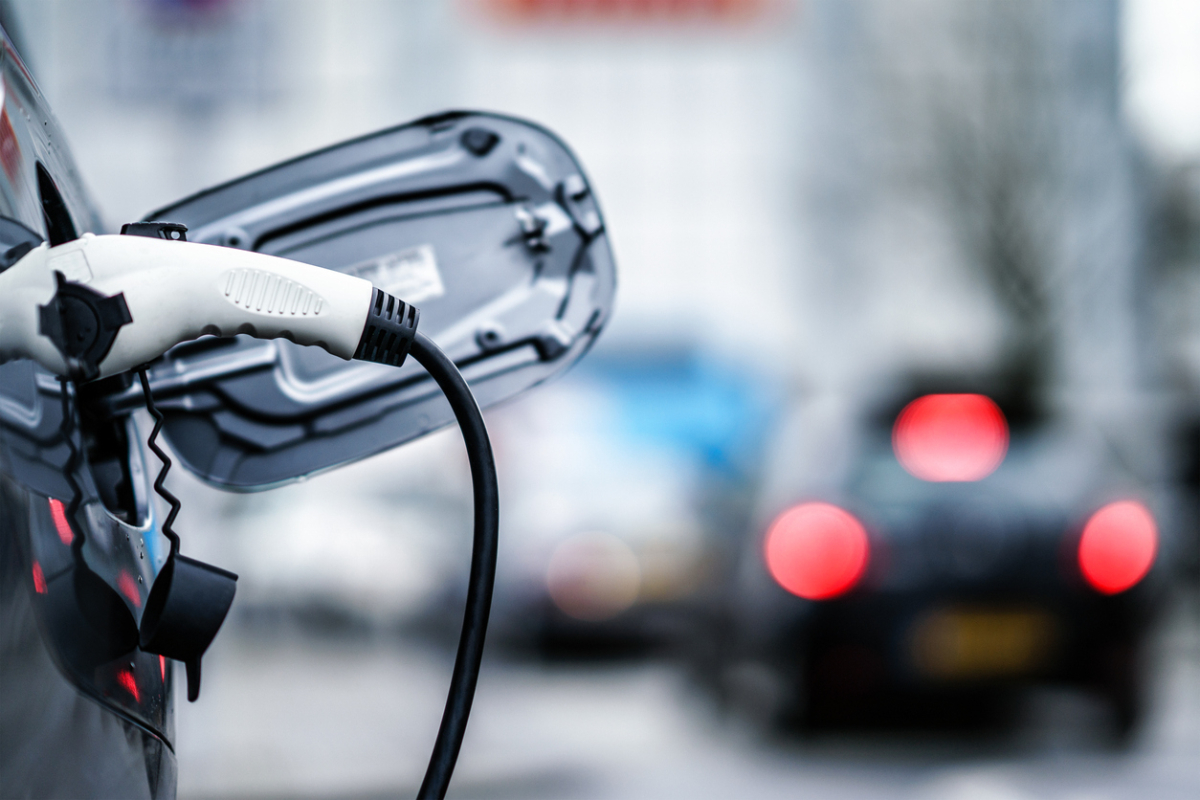
The United Kingdom has experienced a dramatic transformation in its automotive landscape, with electric vehicles capturing an impressive 24% of the market share in 2025, representing nearly 500,000 sales.
This remarkable growth has been fueled by government support, expanding model options, and increasingly positive consumer sentiment. However, a significant policy announcement in the government's late November budget threatens to disrupt this upward trajectory.
A New Era of EV Taxation
The Treasury has introduced a groundbreaking shift in how electric vehicles will be taxed. Beginning in April 2028, EV owners will face a 3p-per-mile road charge, with plug-in hybrid owners paying 1.5p per mile. This represents the government's first major attempt to replace the declining revenue from fuel duties as more drivers abandon traditional petrol and diesel vehicles.
The new mileage-based system is expected to generate over £1 billion annually. Importantly, this policy doesn't signal a complete withdrawal of government support; the electric car grant scheme, introduced in July 2025, continues to offer up to £3,750 discounts on eligible new vehicles. Nevertheless, critics worry that introducing running-cost charges could undermine the government's broader objective of accelerating the transition away from fossil fuels.
Six Key Implications for 2026 and Beyond
Purchasing decisions will be postponed
The Office for Budget Responsibility predicts that approximately 440,000 fewer electric vehicles will be purchased by 2031 due to the new charges, though other budget measures are expected to offset about 320,000 of these lost sales. In context, nearly 1.95 million new cars were sold in the UK during 2024, with battery-powered EVs representing one in five sales. The used EV market will likely experience similar headwinds as rising ownership costs dampen consumer interest.
Consumer uncertainty will grow
The introduction of variable per-mile charges creates unpredictability around future ownership expenses. Buyers face legitimate questions about potential rate increases - what if the charge rises from 3p to 4p per mile, or if inflation adjusts these figures upward? This uncertainty, particularly among consumers already hesitant about adopting emerging technology, threatens to erode confidence in EV ownership.
Manufacturers face strategic crossroads
The automotive industry faces a complex situation. Major producers like Jaguar are committed to phasing out internal combustion engines entirely, while others are investing billions in factory infrastructure and EV technology. A sudden policy shift could prompt some companies to scale back investments and delay product launches, while competitors might accelerate innovation to maintain market competitiveness. BMW, for instance, is launching new models with extended ranges exceeding 1,000 kilometres per charge, while Volvo and Polestar show no signs of slowing their EV expansion.
Remote workers and long-distance commuters will suffer most
Those living in suburban or rural areas who rely on daily commutes face the greatest financial burden. Many chose to live outside city centres specifically to reduce housing costs, but the new mileage-based system effectively penalises this lifestyle choice. Drivers who considered switching to electric vehicles to offset fuel expenses may now reconsider their plans.
Lessons from other green initiatives
The policy reflects a broader pattern: government subsidies for sustainable technologies rarely remain indefinite. The discontinuation of solar power feed-in tariffs in 2019 serves as a cautionary example. Interestingly, solar adoption continued to grow despite the subsidy removal, suggesting that the EV market might similarly adapt to changed circumstances.
Potential price reductions ahead
On a more optimistic note, the mileage-based charging structure could paradoxically drive down EV purchase prices. Manufacturers may lower upfront costs to boost sales volume, offsetting reduced margins through increased production efficiency - a dynamic that could ultimately benefit price-conscious consumers.
Conclusion: A Market Maturing
The UK's electric vehicle sector stands at a crossroads. While government incentives persist, the era of tax-free electric motoring has definitively ended. The market is transitioning from a growth phase fueled by subsidies to a maturation phase where consumers must weigh long-term ownership costs more carefully. Recent SMMT's revised electric car sales forecasts reflect this shifting landscape, highlighting industry concerns about market sustainability. For prospective buyers considering the switch to electric vehicles, 2026 will be a year of careful deliberation - weighing immediate incentives against uncertain future expenses.