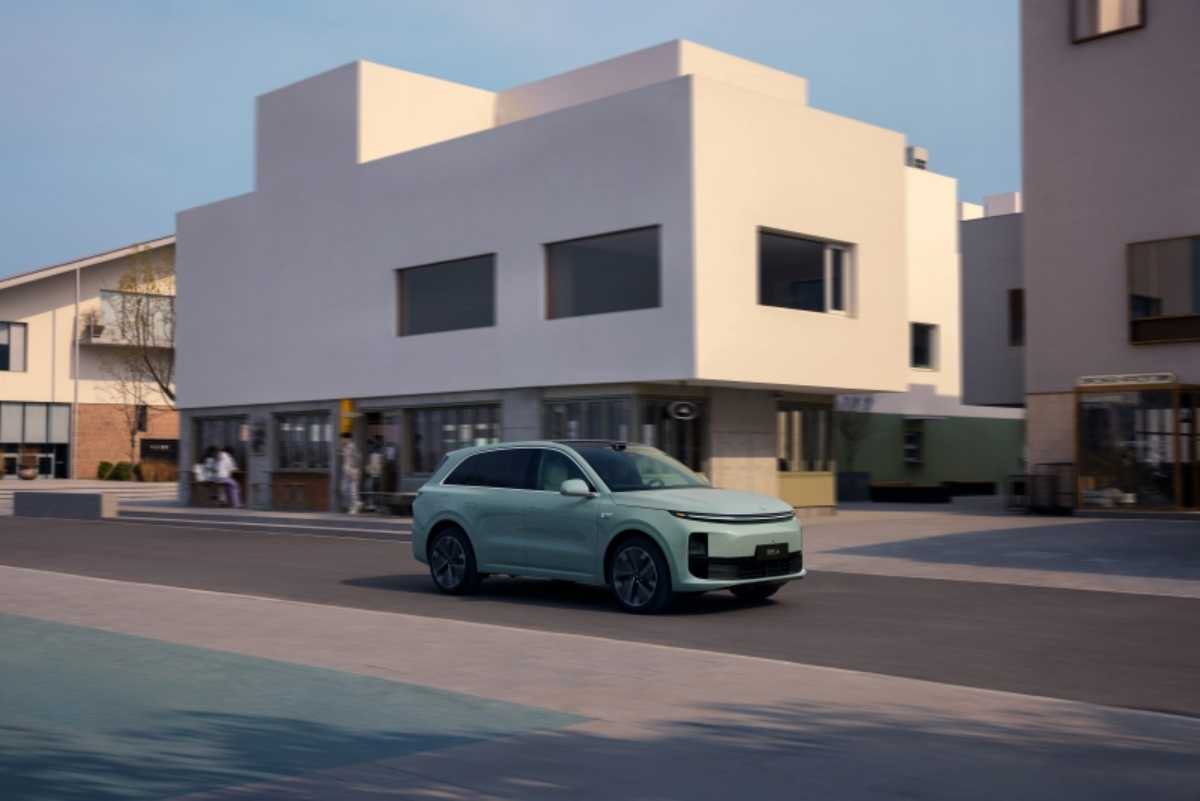
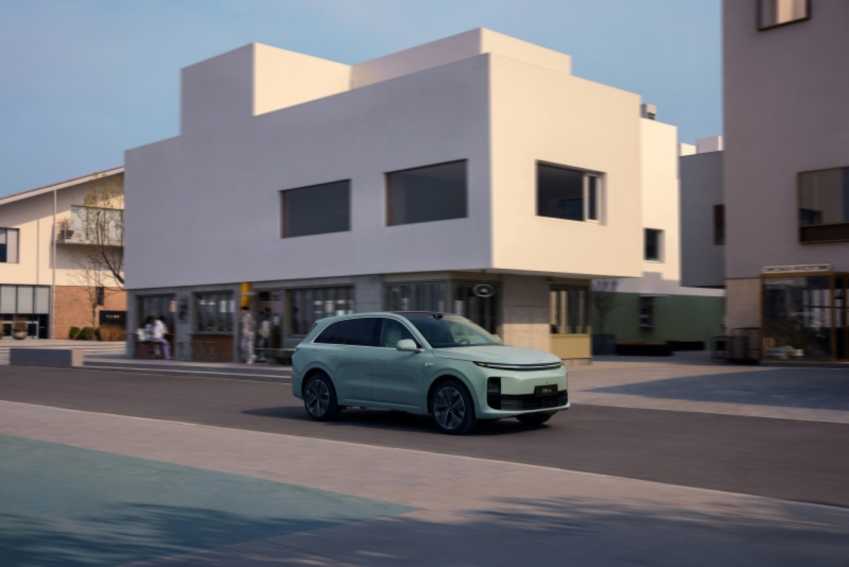
Li Auto i6 is heading for Europe
Chinese electric car maker Li Auto is preparing to take its i6 electric SUV into Europe, with sales scheduled to begin during the fourth quarter of 2026.
The company has also confirmed that it will develop a right-hand-drive version of the i6 for markets that drive on the left. That puts the UK firmly in the conversation, although Li Auto has not confirmed Britain as a launch market.
The i6 is due to make its European debut at the Paris Motor Show in October. Li Auto says it will prioritise battery-electric models in Europe, while using its range-extender technology in markets such as the Middle East and Central Asia.
For UK motorists, this is significant because the company is not simply talking about exporting a Chinese-market car. It is developing right-hand-drive versions and adapting its vehicles for overseas regulations and markets.
Why the UK could be an attractive market
Britain has become an important market for Chinese car makers, with brands such as BYD already establishing themselves in the UK.
One reason is trade policy. The European Union imposes additional countervailing duties on Chinese-made electric cars, on top of its standard import tariff. The UK does not currently have equivalent China-specific additional tariffs on electric vehicles. The Government confirmed in July that it was still assessing whether trade remedies might be needed, but that no Trade Remedies Authority investigation into Chinese electric vehicles had been launched at that point.
That does not mean Chinese EVs enter Britain tariff-free. Normal customs duties and VAT can still apply to imported vehicles, depending on the circumstances.
For Li Auto, the combination of a large premium-car market, left-hand traffic and strong EV demand makes the UK an obvious market to consider. But until the company confirms UK pricing, distribution and after-sales arrangements, buyers should treat a British launch as a possibility rather than a certainty.
What could make the Li i6 stand out?
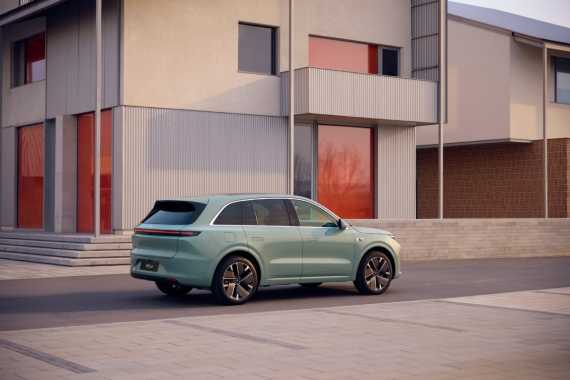
The i6 is a sizeable SUV at around 4.95 metres long, putting it into the same broad premium electric SUV territory as cars such as the BMW iX3 and Mercedes-Benz GLC.
Its specification is ambitious. The Chinese-market car uses an 87kWh battery and has a claimed range of up to 720km, or around 447 miles, under China's CLTC testing system. UK and European range figures are expected to be lower once the car is tested under the more familiar WLTP procedure.
Power outputs are also substantial:
- Rear-wheel drive: around 335bhp
- All-wheel drive: around 536bhp
- Battery: around 87kWh
- Claimed Chinese-market range: up to 447 miles CLTC
- Maximum charging power: quoted at up to 500kW
The charging figure is particularly interesting, although UK buyers should not assume they will routinely see 500kW at public chargers. Charging speed depends on the vehicle, charger and battery conditions, while the number of UK sites capable of delivering anything close to that level remains limited.
Li Auto's bigger selling point could be practicality rather than outright performance.
The i6 has been designed around the idea of a mobile leisure space, with flexible seating, a rear entertainment screen, a fridge and a table. Its Chinese-market specification also includes a large front storage compartment that can be used for carrying dirty equipment and even washing sports kit.
That is an unusual approach in a premium SUV and could appeal to families and outdoor enthusiasts who want their electric car to do more than simply provide transport.
The biggest questions for UK buyers
The specification looks impressive, but numbers alone will not determine whether the i6 succeeds here.
Price will be crucial. Li Auto is positioning itself as a premium brand, so it will need to compete against established European manufacturers with extensive dealer and servicing networks.
After-sales support matters too. A new brand can offer impressive technology and equipment, but UK buyers need confidence that parts will be available, technicians will be trained and warranty claims can be handled quickly.
There are also questions over resale values. Chinese brands are expanding rapidly, but used-car buyers are still becoming familiar with them. A strong new-car deal can look less attractive if depreciation proves steep.
And then there is taxation. Electric cars are no longer exempt from Vehicle Excise Duty. From April 2026, a new electric car pays £10 in its first year and the standard £200 rate thereafter. Cars with a list price above £50,000 can also face the expensive car supplement.
From April 2028, the Government also plans to introduce an electric vehicle mileage tax of 3p per mile for battery-electric cars. For a motorist covering 10,000 miles a year, that would equate to £300 annually at today's proposed rate, before any future uprating.
So, is the Li Auto i6 coming to Britain?
Li Auto has confirmed the i6 for Europe and has said it will roll out a right-hand-drive version for right-hand-drive markets. That makes a UK arrival plausible, but there is currently no confirmed UK launch date, price or retail network.
The car itself is certainly worth watching. Its combination of long-range electric capability, rapid charging potential, powerful motors and unusually flexible interior could give established premium manufacturers another serious Chinese challenger.
For British motorists, however, the most important announcement may not be the car's claimed range or horsepower. It will be the moment Li Auto confirms who will sell and support the i6 in the UK, how much it will cost and what warranty and servicing package comes with it.
Until then, the Li Auto i6 is an interesting potential addition to Britain's growing electric SUV market rather than a confirmed UK new-car option.