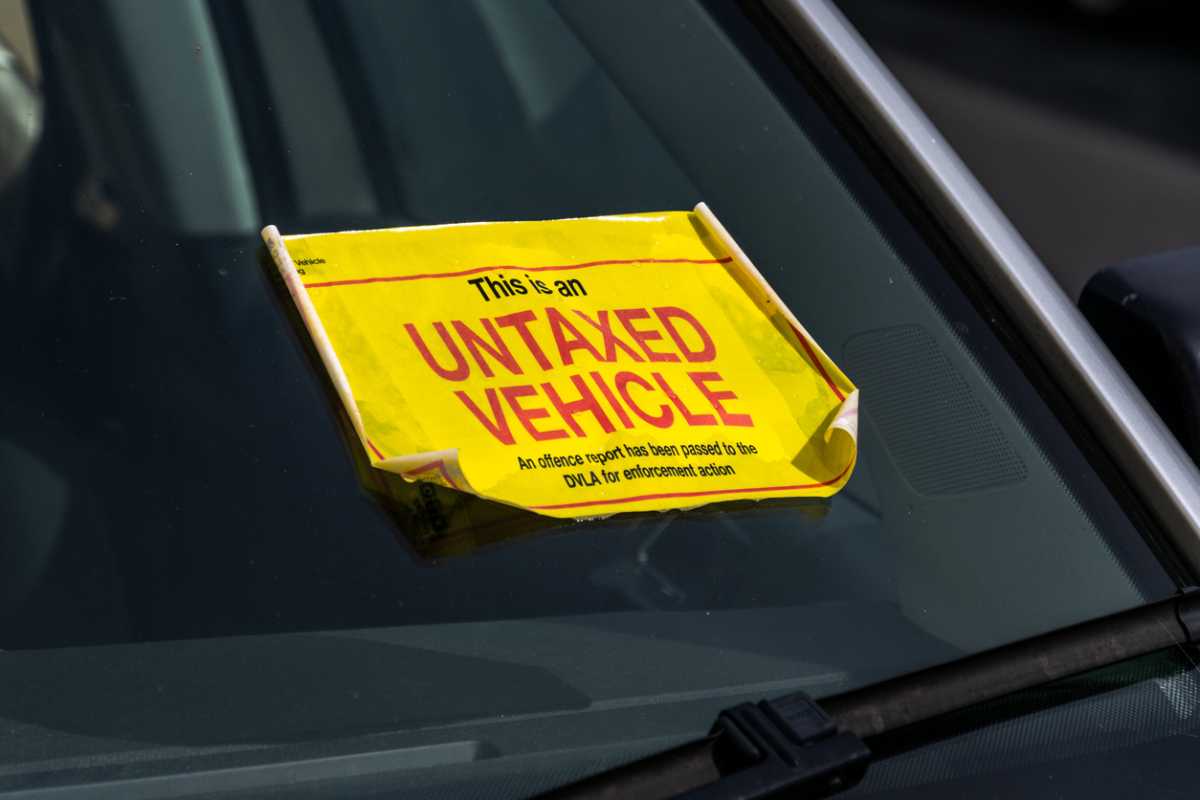
TL;DR: UK road tax prices are rising from April 2026, with the standard annual rate for cars registered after April 2017 increasing to £200. It’s a modest £5 jump for most, but owners of older, high-emission cars face steeper bills up to around £735 under the latest Vehicle Excise Duty (VED) changes.
Key Facts
- £200 – new standard VED rate for cars registered after 1 April 2017 (up from £195).
- £735 – approximate top rate for highest-emission pre-2017 vehicles (Band M, modest inflation rise).
- £50,000 – Expensive Car Supplement threshold for electric vehicles (up from £40,000).
- £440 – annual supplement for petrol/diesel cars over £40,000 (up from £425).
- 2028 – earliest expected year for UK-wide pay-per-mile road pricing system.
UK road tax price rises: Drivers could pay up to £735 a year
Drivers across the UK are seeing motoring costs tick up again, as the government’s new road tax increases take effect from April 2026. The latest Vehicle Excise Duty (VED) update sets the standard annual rate at £200 for most cars registered after April 2017 – a £5 rise from £195.
However, owners of older, polluting vehicles and luxury petrol/diesel models will feel a sharper pinch, with some bills climbing £5-£30 depending on emissions. It’s another signal that running a car in 2026 comes at a growing price.
What the new VED rates mean for you
From April 2026, VED renewal notices will reflect these inflation-linked hikes (around 2.5% RPI). It’s a small mercy compared to higher forecasts, but with fuel prices volatile and insurance up, the cumulative impact stings.
For most drivers with post-2017 cars, it’s straightforward: £200 annually (or £110 for six months). Electric cars now join this after their first-year £10 rate, ending full exemptions.
Understanding the ‘Expensive Car Supplement’
Premium car owners, take note of the Expensive Car Supplement – an add-on for years 2–6 if the list price exceeded thresholds.
The fee rises to £440 (from £425) for petrol, diesel, and hybrids over £40,000. But EVs get a boost: the threshold jumps to £50,000, sparing more mid-range models like popular Teslas or premium family EVs from the hit. This retrospective change (from April 2025 registrations) clearly pushes the shift to electric.
Car tax for older models
Pre-April 2017 cars stick to CO₂ band-based taxing. Efficient ones stay cheap (£20–£35), but top polluters in Band M now hit around £735 annually - a £5–£30 uplift to encourage scrappage or swaps to greener rides.
Looking ahead: Pay-per-mile tax on the h
These VED rises don’t happen in a vacuum. Fuel costs have edged up, adding £5+ per tank, while first-year rates for high-emission new cars top £5,690.
By 2028, pay-per-mile taxing (e.g., 3p/mile for EVs) looms as EV adoption erodes fuel duty revenue. Stay ahead: check your renewal date and set up free DVLA reminders with Regit’s tool today to dodge fines and surprises.