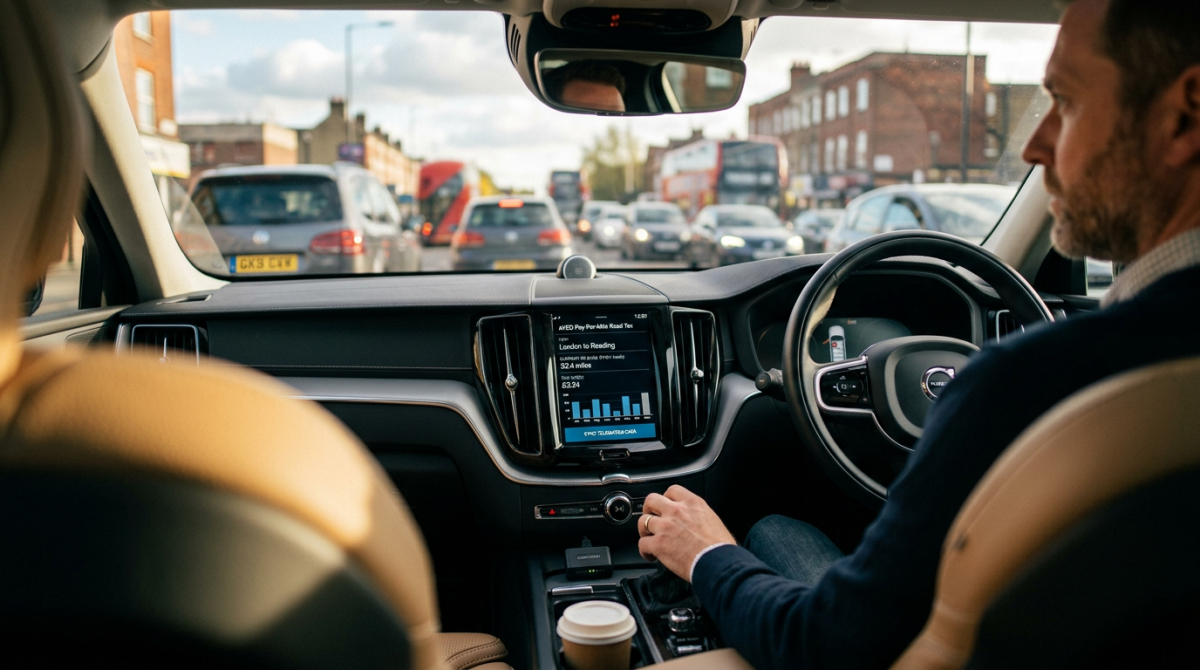
TL;DR: PHEV drivers in the UK could be unfairly double-taxed from April 2028 under new pay-per-mile road pricing. The plan to charge 1.5p per mile doesn't separate electric from petrol use, meaning you could pay mileage tax on top of fuel duty already paid at the pump.
Key Facts
- £12 billion: The estimated annual fuel duty revenue gap the government is trying to plug as drivers switch to electric.
- April 2028: The proposed start date for the new eVED pay-per-mile scheme for EVs and PHEVs.
- 1.5p per mile: The suggested tax rate for plug-in hybrids, compared to a higher 3p per mile for pure EVs.
- 25%: The small percentage of UK drivers who are currently comfortable with government telematics tracking their journeys.
PHEV drivers warned of 1.5p per mile 'double tax' risk
New government proposals reveal that plug-in hybrid drivers could be hit by a pay-per-mile tax starting in April 2028, creating a significant risk of being taxed twice for the same journey. This is the Treasury's latest attempt to solve a looming £12 billion black hole in the UK's fuel duty revenue as more drivers ditch petrol for plugs.
What the pay-per-mile tax means for UK hybrid drivers
The proposed eVED scheme UK plans would see plug-in hybrid (PHEV) owners charged 1.5p for every mile they cover. For comparison, owners of pure battery electric vehicles (BEVs) would pay double that rate, at 3p per mile.
But here's the critical issue for PHEV drivers. If you're running your hybrid on its petrol engine, you are already paying fuel duty every time you fill up at the pump. Adding a flat-rate mileage fee on top means you're effectively being charged twice, once for the fuel and again for the distance you travel using that same fuel.
The double-taxation trap: Why PHEVs are a special case
This potential for overpayment has been flagged by experts. Silviya Barrett from the Campaign for Better Transport recently highlighted that the government's current model assumes hybrids run on electric power for about half of their mileage. What this means for drivers is simple: if your driving habits involve more engine use than battery, you will inevitably overpay under a flat-rate system.
Many drivers use their PHEV's petrol engine for longer motorway trips, reserving the battery for short city hops. A blanket pay-per-mile tax for PHEVs fails to recognise this real-world behaviour, penalising those who can't rely solely on electric power.
Telematics tracking: The only fair solution?
So, what's the fix? Experts are urgently pushing for a telematics-based road tax system that uses plug-in hybrid mileage tracking. The good news is that the technology for this already exists in most cars built since 2018, which are fitted with GPS and SIM cards.
This built-in tech can accurately report when a vehicle is running on electric power versus its internal combustion engine. By using this data, the 1.5p per mile charge would only apply when the engine is off. It's widely seen as the only practical way to ensure the electric vehicle road tax 2028 plan is fair, but it does open up a can of worms.
Privacy vs. fairness: The big hurdle for a 2028 launch
Unsurprisingly, not every driver is keen on having a 'spy in the cab'. The latest data shows that only 25% of UK drivers are comfortable with the idea of the government using telematics to track their every move. This significant public resistance is a major hurdle.
Because of these privacy concerns, some industry leaders are now suggesting the entire scheme should be pushed back to 2030. It raises a valid question: why rush to implement a system that could be fundamentally flawed and unpopular on arrival? For now, drivers have some relief as the 5p fuel duty cut remains in place, but the writing is on the wall. A new road tax is coming, and we'd better hope the technology is ready before the taxman is.