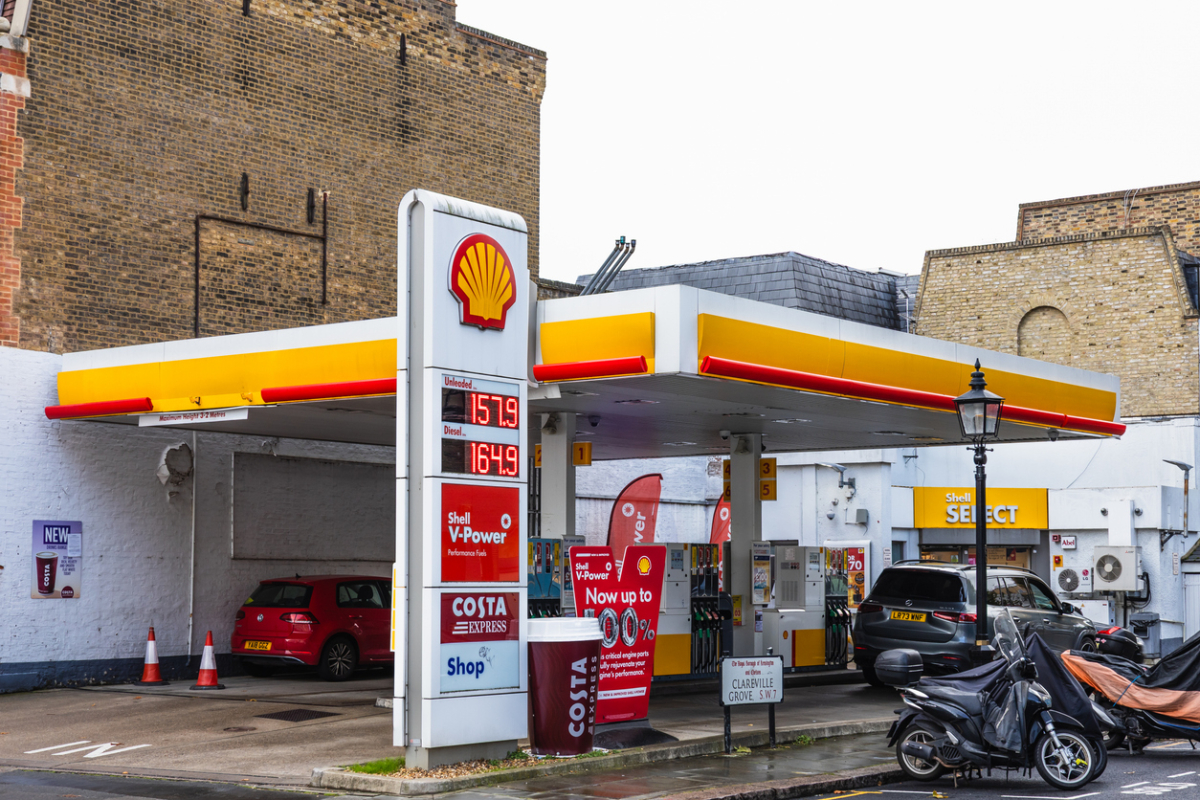
Update: April 10, 2026 – Amid rationing rumours, real relief exists: UK's cheapest unleaded petrol at 146.9p/litre (Co-op, Halesworth, Suffolk) vs 199.9p at motorway services – a 60p/litre saving potential. Diesel starts at 168.9p (Peacehaven), with Tesco and Asda dominating top 20 lists. Shop smart at independents/supermarkets to stretch your tank now.
UK petrol prices have climbed back above 150p per litre, up by around 17p since late February. The government insists there’s no need to panic, saying fuel supplies remain secure despite tensions in the Middle East.
Key Facts
- 150p per litre is now the average price for unleaded petrol across much of the UK.
- Prices have risen by roughly 17p since late February.
- The Strait of Hormuz remains a key flashpoint affecting global oil prices.
- The Jackdaw gas field near Aberdeen is being promoted as a pillar of the UK’s energy security strategy.
- A decision on scrapping September’s planned fuel duty rise is expected in the autumn budget.
Petrol prices pass 150p as government urges calm
It’s the headline no motorist wanted to see – petrol prices have soared back above 150p per litre across UK forecourts. Since the end of February, the average cost of unleaded fuel has shot up by around 17p per litre, adding more strain to already stretched household budgets.
Unsurprisingly, drivers are feeling the pinch. But the government has moved quickly to reassure motorists that there’s no need to panic or rush to the pumps.
Government: The UK’s fuel supply is secure
Education Secretary Bridget Phillipson sought to calm nerves during an interview on Sunday Morning with Trevor Phillips, stressing that motorists should continue to "fill up as normal."
She confirmed that the UK’s fuel supply remains stable despite heightened tensions in the Middle East – particularly around the Strait of Hormuz, a vital trade route for global oil shipments.
Officials say that panic buying, not actual shortages, tends to create the kind of forecourt chaos seen in previous years. Her message was simple: keep calm and carry on driving.
Should drivers worry about shortages or rationing?
In short — no.
While petrol prices are undeniably painful, there’s no sign of rationing or supply issues on the horizon. Industry analysts agree that the UK’s energy security remains strong, and the rise in costs is driven mostly by global market volatility.
Phillipson added that the government’s main priority is helping to ease international tensions, which should eventually bring prices back down. This echoes recent RAC advice, which warns against panic buying whenever prices fluctuate.
North Sea production back in the spotlight
Politics is playing an increasingly important role in this story. Business and Trade Secretary Kemi Badenoch is championing more domestic energy production, pointing to the Jackdaw gas field near Aberdeen, set to go online before winter, as a key asset in securing the UK’s future energy independence.
However, the Labour government’s ban on new North Sea exploration licences remains a point of contention. Supporters say it’s crucial for meeting climate goals, while critics argue that limiting new projects could make the UK more vulnerable to foreign energy price spikes.
The debate highlights the ongoing tension between green policy and energy affordability – one that’s unlikely to quiet down anytime soon.
What’s next for fuel duty – and drivers’ wallets?
Looking ahead, there’s still no firm answer on whether the government will ditch the planned fuel duty rise in September’s autumn budget. With opposition parties like the Lib Dems and Reform UK calling for a freeze or cut, pressure is building on the Treasury to offer relief.
Although home energy bills are expected to dip slightly in April, fuel prices remain unpredictable, leaving drivers with little choice but to plan for higher costs in the short term.
For now, the best advice remains simple:
- Stick to your regular fuelling routine.
- Avoid stockpiling fuel.
- Keep an eye on autumn budget updates.