If you’re planning to buy a new car next year, tomorrow’s Budget could change what it costs you. The Conservatives claim Chancellor John Healey is considering a new tax on heavy cars, and campaign group Transport & Environment (T&E) has spent more than a year pushing for one.
It’s still a rumour, and the Treasury hasn’t commented. However, the proposal on the table is simple enough that you can work out the cost for almost any car, which is what we’ve done below.
What is the heavy car tax?
T&E calls it a Large Vehicle Levy. New petrol, diesel and hybrid cars would pay £10 for every kilo they weigh over 1,600kg. Electric cars would get an extra 400kg allowance to account for their batteries, so their charge would start at 2,000kg.
It would be a one-off payment when the car is first registered, added to the first-year road tax that’s already built into the on-the-road price. T&E reckons it would raise around £1.7bn a year. France already runs a similar scheme, with its own weight charge starting at 1,600kg.
How much would the heavy car tax cost?
The quick rule is that every 100kg over the limit adds £1,000. A Ford Puma, the UK’s best-selling car this year, weighs around 1,400kg according to T&E, so Puma buyers would pay nothing.
A Kia Sportage shows how close some family cars sit to the line. Mild-hybrid versions weigh between about 1,560kg and 1,590kg, so they’d escape. The full hybrid weighs a quoted 1,649kg, which would mean a charge of around £490.
Electric cars mostly sit under their higher limit. A rear-wheel-drive Tesla Model Y weighs around 1,900kg, so it would pay nothing. The Performance version, at roughly 2,033kg, would pay about £330.
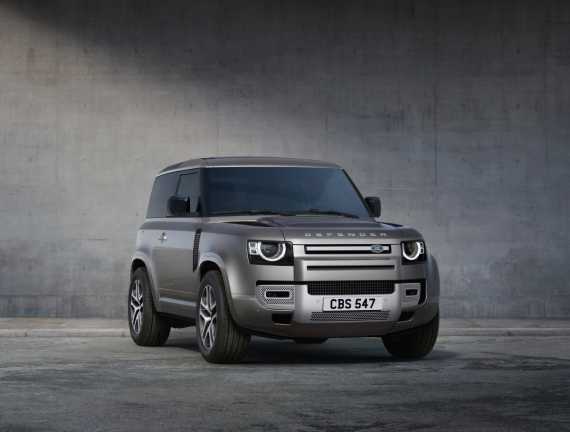
The big 4x4s are where the costs climb. A Land Rover Defender 110 D250 weighs between about 2,360kg and 2,440kg, depending on how it’s measured, which would add somewhere between £7,600 and £8,400 to the price. T&E says the heaviest versions of the Defender would face more than £10,000.
Which weight would count?
This detail matters more than it sounds. Carmakers quote weight in different ways, and the European figure includes a 75kg allowance for the driver while the older DIN figure doesn’t. On the Defender, that difference alone is worth around £750.
T&E’s proposal uses the official kerb weight declared at registration. If the government takes the idea forward, the definition it chooses will decide whether some family hybrids pay a few hundred pounds or nothing at all.
Will the heavy car tax affect my current car?
No. As proposed, it’s a charge on new cars at their first registration, so cars already on the road wouldn’t pay it, and neither would used cars when they change hands. Your annual road tax would stay the same.
Pay-per-mile tax is a separate matter. It’s already confirmed for electric cars and plug-in hybrids from April 2028, at 3p and 1.5p a mile.
When will we know about the heavy car tax?
The Chancellor delivers his first Budget on Wednesday 28 October, straight after Prime Minister’s Questions, at around 12.30pm. If a weight tax is announced, the start date will matter most, since road tax changes usually come in from a set date and not overnight. We’ll update this story as soon as the details are out.
Our verdict
If a heavy car tax arrives in the form T&E has proposed, most family car buyers would pay nothing or a few hundred pounds, while buyers of large SUVs and 4x4s would face bills in the thousands. A charge that catches a hybrid Sportage by 49kg looks too blunt to us, and a higher threshold for petrol and hybrid cars would make it fairer.
Either way, there’s no reason to rush into a big SUV before tomorrow on the strength of a rumour. Wait for the Budget, then check the weight of anything on your shortlist before you sign.
Whatever the Chancellor announces, your current car’s road tax won’t change overnight, and you can check your car tax with Regit to see exactly what you pay now and when it’s next due.